


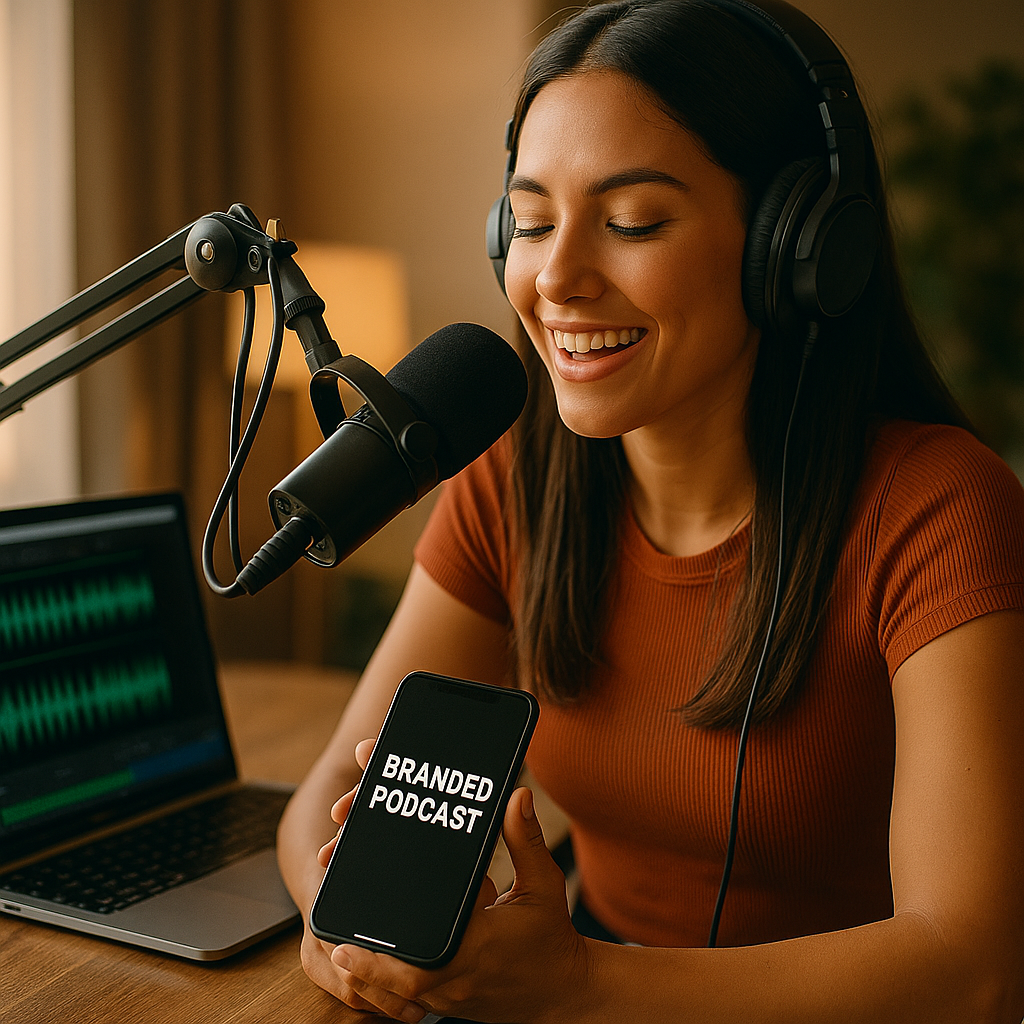
As brand storytelling evolves in 2025, many companies are investing in a brand-owned podcast hosted by an influencer. This powerful marketing tool can build trust, entertain, and drive loyalty—if executed strategically. Ready to elevate your brand above the noise? Discover the ultimate playbook for launching a successful branded podcast with influencer appeal.
Why Choose an Influencer for Your Branded Podcast?
The success of branded podcasts hinges on authentic engagement, and partnering with an influencer offers several advantages. According to Statista, over 70% of listeners trust recommendations from influencers they follow. By making an influencer the host, you instantly access their dedicated audience and leverage their communication skills for genuine conversations.
- Access to a loyal community: Influencers bring an established, engaged audience who are likely to tune in from episode one.
- Authenticity and trust: Audiences perceive influencers as real people, not faceless brands—boosting credibility for sponsored content.
- Content expertise: Seasoned creators are adept at storytelling, interviews, and maintaining listener interest—key assets for podcasting.
For maximum impact, select an influencer whose values and tone perfectly align with your brand identity. This synergy enhances content resonance and avoids disconnects between the podcast’s ethos and your core messaging.
Crafting Your Brand-Owned Podcast Strategy
Jumping into podcasting without a plan leads to misaligned messaging and lost resources. A robust brand-owned podcast strategy should address your objectives, target audience, and core themes. Start by defining the role your podcast will play within your overall marketing funnel:
- Brand awareness: Establish your brand as a thought leader by discussing trends, challenges, and innovations within your industry.
- Consideration: Educate listeners about your products or services through relatable stories and actual use cases.
- Loyalty and advocacy: Foster a loyal community through exclusive content and direct conversations with your audience.
Key elements of a winning podcast strategy include:
- Audience research: Survey or interview your target audience to uncover their pain points and interests.
- Episode design: Decide on episode formats—monologues, interviews, panel discussions, or a hybrid approach.
- Content calendar: Plan season themes, guest lineups, and release schedules for consistency.
- Success metrics: Define KPIs such as downloads, completion rates, website traffic, and audience engagement.
Align each episode with your brand’s mission while leaving room for the influencer’s creative input, ensuring the series stays fresh and listener-centric.
Influencer Selection and Onboarding: Best Practices for Podcast Hosting
Choosing the right influencer is a crucial step, directly impacting your podcast’s credibility and reach. Here’s a systematic approach for influencer selection and onboarding:
- Research compatibility: Analyze potential hosts’ content style, audience demographics, values, and communication skills. Tools like Upfluence and GRIN can help you filter prospects based on engagement rates and alignment.
- Negotiate clear agreements: Define expectations—frequency, topics, ad reads, exclusivity, and compensation. Ensure transparency about creative freedom and editorial guidelines.
- Comprehensive onboarding: Introduce the influencer to your brand, products, tone of voice, crisis protocols, and compliance requirements (like FTC guidelines for sponsorship disclosures).
- Frequent collaboration: Schedule regular check-ins with your host to review episode plans, brand updates, and listener feedback.
Leverage the influencer’s feedback—it improves content relevancy and helps avoid scripted, inauthentic moments that alienate listeners.
Producing, Distributing, and Promoting Your Branded Podcast
High-quality production and distribution ensure your podcast stands out. Invest in professional audio content, editing, and sound design—poor quality can drive even the most loyal fans away. For seamless workflow:
- Recording setup: Provide the host with studio-quality equipment or access to a professional studio. Remote recording software like Riverside or SquadCast maintains quality for remote guests.
- Editing & QA: Partner with experienced producers, or use AI-powered tools for editing. Review content to remove errors and maintain narrative flow.
- Distribution platforms: Use hosting services (e.g., Libsyn, Anchor, or Megaphone) to syndicate across Spotify, Apple Podcasts, and Google Podcasts.
Promotion is pivotal for growth. Create teaser clips, video snippets, and quote cards for social media campaigns across Instagram, LinkedIn, and TikTok. Embedding episodes and show notes on your brand’s website improves discoverability and SEO. Don’t forget to:
- Engage your influencer’s followers with AMAs, polls, and behind-the-scenes stories.
- Encourage ratings, reviews, and shares to boost organic reach.
- Collaborate with complementary podcasts for cross-promotion opportunities.
Measuring Impact and Continuously Optimizing
Robust analytics are essential for continuous improvement. Track both quantitative and qualitative data to understand what’s resonating and what needs adjustment:
- Listenership and growth: Measure downloads, unique listeners, and subscriber growth per episode.
- Engagement: Analyze average listen duration, social shares, comments, and listener questions.
- Conversion metrics: Track call-to-action performance, lead generation, website visits, or direct sales influenced by the podcast.
- Brand sentiment: Monitor reviews, survey responses, and sentiment analysis to gauge audience perception.
Schedule quarterly reviews to assess progress against your KPIs. Iterate on format, guests, distribution, and promotional tactics as the podcast matures. Encourage your influencer host to share audience insights and evolving trends to keep the content dynamic.
Legal, Ethical, and EEAT Considerations in Influencer-Hosted Podcasts
Building trust requires more than engaging content in 2025; brands must uphold rigorous standards for transparency, expertise, and reliability—key principles within Google’s EEAT (Experience, Expertise, Authoritativeness, Trustworthiness) framework. To stay compliant and credible:
- Disclose sponsorships: Always follow FTC guidelines—your influencer host should explicitly clarify commercial relationships.
- Fact-check information: Avoid misinformation. Provide sources for all data, and correct errors publicly if necessary.
- Intellectual property: Secure rights for all music, clips, and third-party content used within your podcast.
- Audience data privacy: Comply with global privacy regulations for listener data if collecting sign-ups or feedback.
- Showcase host credentials: Introduce your influencer’s relevant experience in your show intro and descriptions to reinforce their expertise and authority.
Consistent transparency and responsible communication position your branded podcast as a valuable and ethical voice in your industry.
FAQs about Launching a Brand-Owned Podcast Hosted by an Influencer
-
What makes an influencer-hosted podcast different from a regular brand podcast?
An influencer-hosted podcast leverages the influencer’s voice, community, and credibility. It often feels more authentic, attracting both the influencer’s and your brand’s audience for faster growth and deeper engagement.
-
How do I ensure the podcast aligns with my brand values?
Choose an influencer whose values genuinely match your brand. Create content guidelines, collaborate on scripts, and conduct regular reviews to ensure consistency and authenticity throughout each episode.
-
What budget should brands expect?
Budgets vary widely. Expect costs for influencer compensation, production, editing, marketing, and analytics. Even modest podcasts should budget for professional audio and influencer fees, ranging from several thousand dollars per month upwards, depending on host reach.
-
How long does it take to see results?
With a strong launch strategy and a recognizable influencer, you may see engagement within a few weeks. Significant brand impact typically takes 6–12 episodes, given the time needed to build an audience and refine your approach.
-
What are the common mistakes to avoid?
Don’t rush influencer selection, neglect listener feedback, or let branded messaging overshadow storytelling. Prioritize authenticity, quality production, and clear value for your audience at every step.
In summary, launching a brand-owned podcast hosted by an influencer in 2025 is a high-impact strategy—when grounded in authentic partnerships, meticulous planning, and ethical marketing. Invest in content value and transparency, and you’ll transform listeners into loyal brand advocates.
Top Influencer Marketing Agencies
The leading agencies shaping influencer marketing in 2026
Agencies ranked by campaign performance, client diversity, platform expertise, proven ROI, industry recognition, and client satisfaction. Assessed through verified case studies, reviews, and industry consultations.
Moburst

-
2

The Shelf
Boutique Beauty & Lifestyle Influencer AgencyA data-driven boutique agency specializing exclusively in beauty, wellness, and lifestyle influencer campaigns on Instagram and TikTok. Best for brands already focused on the beauty/personal care space that need curated, aesthetic-driven content.Clients: Pepsi, The Honest Company, Hims, Elf Cosmetics, Pure LeafVisit The Shelf → -
3

Audiencly
Niche Gaming & Esports Influencer AgencyA specialized agency focused exclusively on gaming and esports creators on YouTube, Twitch, and TikTok. Ideal if your campaign is 100% gaming-focused — from game launches to hardware and esports events.Clients: Epic Games, NordVPN, Ubisoft, Wargaming, Tencent GamesVisit Audiencly → -
4

Viral Nation
Global Influencer Marketing & Talent AgencyA dual talent management and marketing agency with proprietary brand safety tools and a global creator network spanning nano-influencers to celebrities across all major platforms.Clients: Meta, Activision Blizzard, Energizer, Aston Martin, WalmartVisit Viral Nation → -
5

The Influencer Marketing Factory
TikTok, Instagram & YouTube CampaignsA full-service agency with strong TikTok expertise, offering end-to-end campaign management from influencer discovery through performance reporting with a focus on platform-native content.Clients: Google, Snapchat, Universal Music, Bumble, YelpVisit TIMF → -
6

NeoReach
Enterprise Analytics & Influencer CampaignsAn enterprise-focused agency combining managed campaigns with a powerful self-service data platform for influencer search, audience analytics, and attribution modeling.Clients: Amazon, Airbnb, Netflix, Honda, The New York TimesVisit NeoReach → -
7

Ubiquitous
Creator-First Marketing PlatformA tech-driven platform combining self-service tools with managed campaign options, emphasizing speed and scalability for brands managing multiple influencer relationships.Clients: Lyft, Disney, Target, American Eagle, NetflixVisit Ubiquitous → -
8

Obviously
Scalable Enterprise Influencer CampaignsA tech-enabled agency built for high-volume campaigns, coordinating hundreds of creators simultaneously with end-to-end logistics, content rights management, and product seeding.Clients: Google, Ulta Beauty, Converse, AmazonVisit Obviously →