


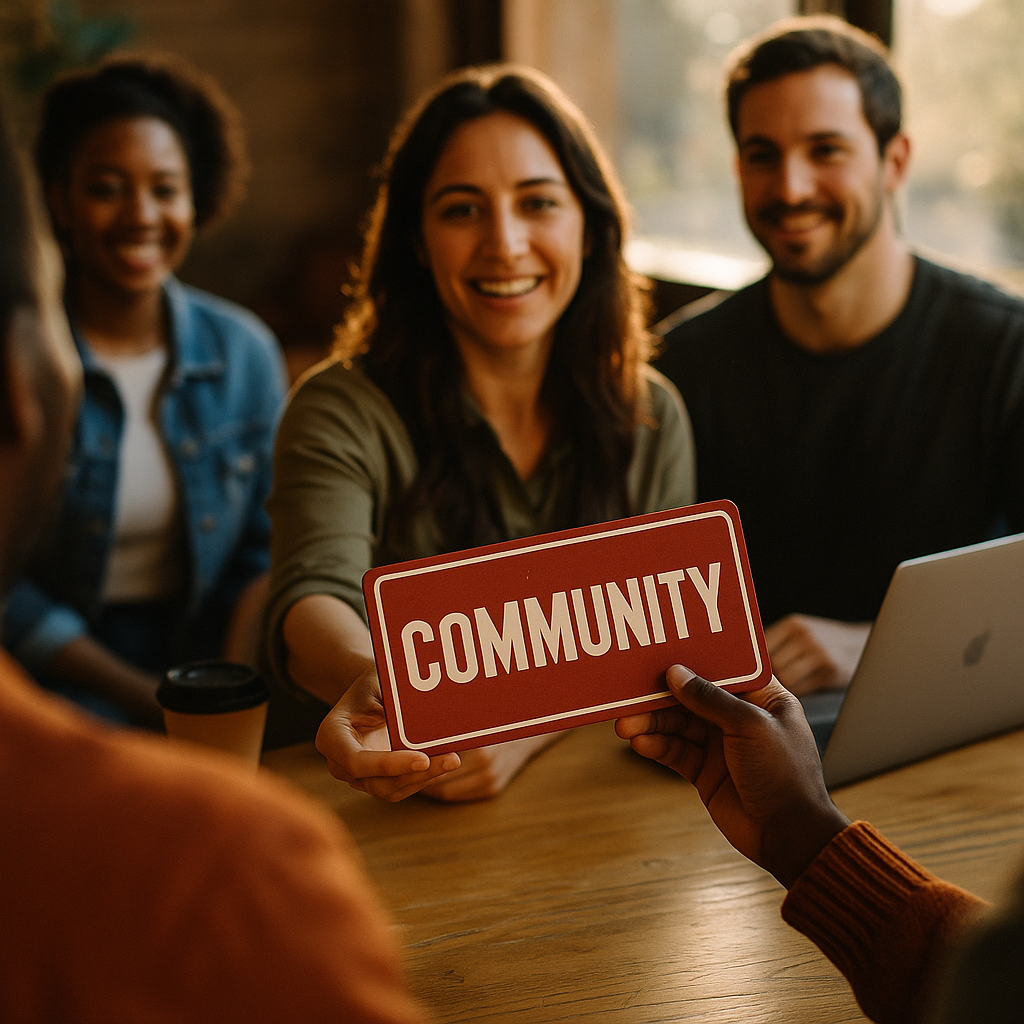
A strong brand community can transform customers into loyal advocates, offering a unique competitive moat that’s difficult for competitors to breach. Amid rapidly shifting markets in 2025, brands that cultivate thriving communities enjoy increased resilience, customer engagement, and long-term growth. Discover how building a loyal ecosystem can propel your business beyond traditional competition.
The Importance of Brand Loyalty in Competitive Moats
Brand loyalty remains a critical secondary keyword for companies striving to maintain a durable edge. While pricing and product features can be replicated, genuine loyalty is cultivated over time through shared values and positive experiences. According to a 2024 Gartner survey, 89% of consumers report remaining with brands whose communities they feel connected to—outpacing conventional loyalty programs in influence.
Loyalty deepens the competitive moat by making customers less sensitive to competitors’ marketing or price changes. Over time, this connection generates invaluable word-of-mouth promotion and increased lifetime value. As a business owner or marketer in 2025, weaving robust community elements into your brand strategy can insulate your market share even amid changing industry landscapes.
Driving Engagement Through Online Brand Communities
Online brand communities serve as vital platforms for engagement, knowledge-sharing, and advocacy. When customers interact in dedicated forums or social media groups, they foster peer-to-peer relationships and emotional investment in your brand’s journey. Engagement not only improves retention rates but also turns passive buyers into active contributors.
Recent data from Sprout Social confirms that businesses with thriving online communities enjoy an average 30% higher customer retention rate. These platforms also double as listening tools, providing honest feedback and innovative ideas for product improvement. Moderating discussions and recognizing loyal members are simple yet powerful ways to amplify this engagement and reinforce your competitive moat.
Leveraging User-Generated Content for Authentic Influence
User-generated content (UGC) is a defining asset for brand communities and a proven method for building trust. When customers voluntarily share reviews, testimonials, or creative projects involving your products, they provide authentic social proof far more persuasive than traditional advertising. UGC increases conversion rates; Nielsen’s Global Trust in Advertising Study of 2024 notes that 88% of people trust online peer reviews more than brand messaging.
By incentivizing content creation—such as product showcases, testimonials, and challenge campaigns—brands invite ongoing, organic buzz. Sharing this content in marketing materials or company channels not only acknowledges community members, but it also turns customers into brand ambassadors, fortifying your competitive defense.
Shared Values and Brand Advocacy in Community Building
Shared values are central in building deep-rooted brand advocacy. Today’s consumers seek alignment with brands that reflect their ethics, cultural identity, and aspirations. When a brand community is united by common principles—whether sustainability, innovation, or inclusivity—it inspires members to advocate passionately and proactively.
In 2025, transparent communication and purpose-driven branding are expected by consumers. According to a 2024 Forrester report, brands with strong value-based communities see advocacy rates up to 46% higher than those without. Cultivating advocacy starts with sincere storytelling, thoughtful leadership, and ethical action—fostering an environment where trust and partnership thrive.
Monetizing and Scaling Your Brand Community
Brand communities are not just about belonging—they’re engines for growth and revenue. By offering exclusive products, experiences, or memberships, brands can unlock new revenue streams while appreciating loyal members. Done right, monetization both deepens member engagement and enhances perceived value.
Scaling requires investment in reliable platforms, dedicated community management, and robust data analytics to track behaviors and identify emerging leaders. Brands that successfully scale their communities often collaborate with influential community members, co-create new products with users, and introduce referral or rewards programs. These strategies expand your moat by making the community’s benefits irreplaceable.
Best Practices for Maintaining Trust in Brand Communities
Sustaining a competitive moat depends on one essential ingredient: trust. Members must feel safe, respected, and valued within your brand’s ecosystem. Transparent policies, rapid response to feedback, and clear moderation guidelines are crucial for maintaining a healthy community culture.
Regularly update your members with transparent information about changes or upcoming features. Empower moderators to resolve conflicts empathetically and swiftly. Most importantly, invite your community into your decision-making process—when customers see their input reflected in your brand’s future, loyalty and advocacy reach new heights.
Investing in a robust brand community creates a self-sustaining competitive moat, elevating your brand above rivals. As your community grows, so does your influence, resilience, and ability to innovate. Prioritize community-building strategies to secure long-term success and market leadership in 2025’s dynamic business landscape.
FAQs About the Power of a Strong Brand Community
-
What is a brand community?
A brand community is a group of customers and fans who share a sense of belonging and engagement around a brand, often interacting via online forums, events, and social media.
-
How does a brand community create a competitive moat?
It fosters loyalty, advocacy, user-generated content, and deep trust, making it harder for competitors to lure customers away. These elements make your brand essential and irreplaceable in its members’ lives.
-
What are some examples of strong brand communities?
Companies like LEGO and Peloton thrive by engaging customers in active online forums, collaborative projects, and events. These communities become critical to their ongoing growth and differentiation.
-
How do you measure the success of a brand community?
Key metrics include engagement rates, retention, referral growth, advocacy activities, and community-driven product improvements.
-
Can small businesses benefit from brand communities?
Absolutely. Even small-scale communities foster loyalty, feedback, and advocacy—helping local businesses punch above their weight in crowded markets.
Top Influencer Marketing Agencies
The leading agencies shaping influencer marketing in 2026
Agencies ranked by campaign performance, client diversity, platform expertise, proven ROI, industry recognition, and client satisfaction. Assessed through verified case studies, reviews, and industry consultations.
Moburst

-
2

The Shelf
Boutique Beauty & Lifestyle Influencer AgencyA data-driven boutique agency specializing exclusively in beauty, wellness, and lifestyle influencer campaigns on Instagram and TikTok. Best for brands already focused on the beauty/personal care space that need curated, aesthetic-driven content.Clients: Pepsi, The Honest Company, Hims, Elf Cosmetics, Pure LeafVisit The Shelf → -
3

Audiencly
Niche Gaming & Esports Influencer AgencyA specialized agency focused exclusively on gaming and esports creators on YouTube, Twitch, and TikTok. Ideal if your campaign is 100% gaming-focused — from game launches to hardware and esports events.Clients: Epic Games, NordVPN, Ubisoft, Wargaming, Tencent GamesVisit Audiencly → -
4

Viral Nation
Global Influencer Marketing & Talent AgencyA dual talent management and marketing agency with proprietary brand safety tools and a global creator network spanning nano-influencers to celebrities across all major platforms.Clients: Meta, Activision Blizzard, Energizer, Aston Martin, WalmartVisit Viral Nation → -
5

The Influencer Marketing Factory
TikTok, Instagram & YouTube CampaignsA full-service agency with strong TikTok expertise, offering end-to-end campaign management from influencer discovery through performance reporting with a focus on platform-native content.Clients: Google, Snapchat, Universal Music, Bumble, YelpVisit TIMF → -
6

NeoReach
Enterprise Analytics & Influencer CampaignsAn enterprise-focused agency combining managed campaigns with a powerful self-service data platform for influencer search, audience analytics, and attribution modeling.Clients: Amazon, Airbnb, Netflix, Honda, The New York TimesVisit NeoReach → -
7

Ubiquitous
Creator-First Marketing PlatformA tech-driven platform combining self-service tools with managed campaign options, emphasizing speed and scalability for brands managing multiple influencer relationships.Clients: Lyft, Disney, Target, American Eagle, NetflixVisit Ubiquitous → -
8

Obviously
Scalable Enterprise Influencer CampaignsA tech-enabled agency built for high-volume campaigns, coordinating hundreds of creators simultaneously with end-to-end logistics, content rights management, and product seeding.Clients: Google, Ulta Beauty, Converse, AmazonVisit Obviously →