


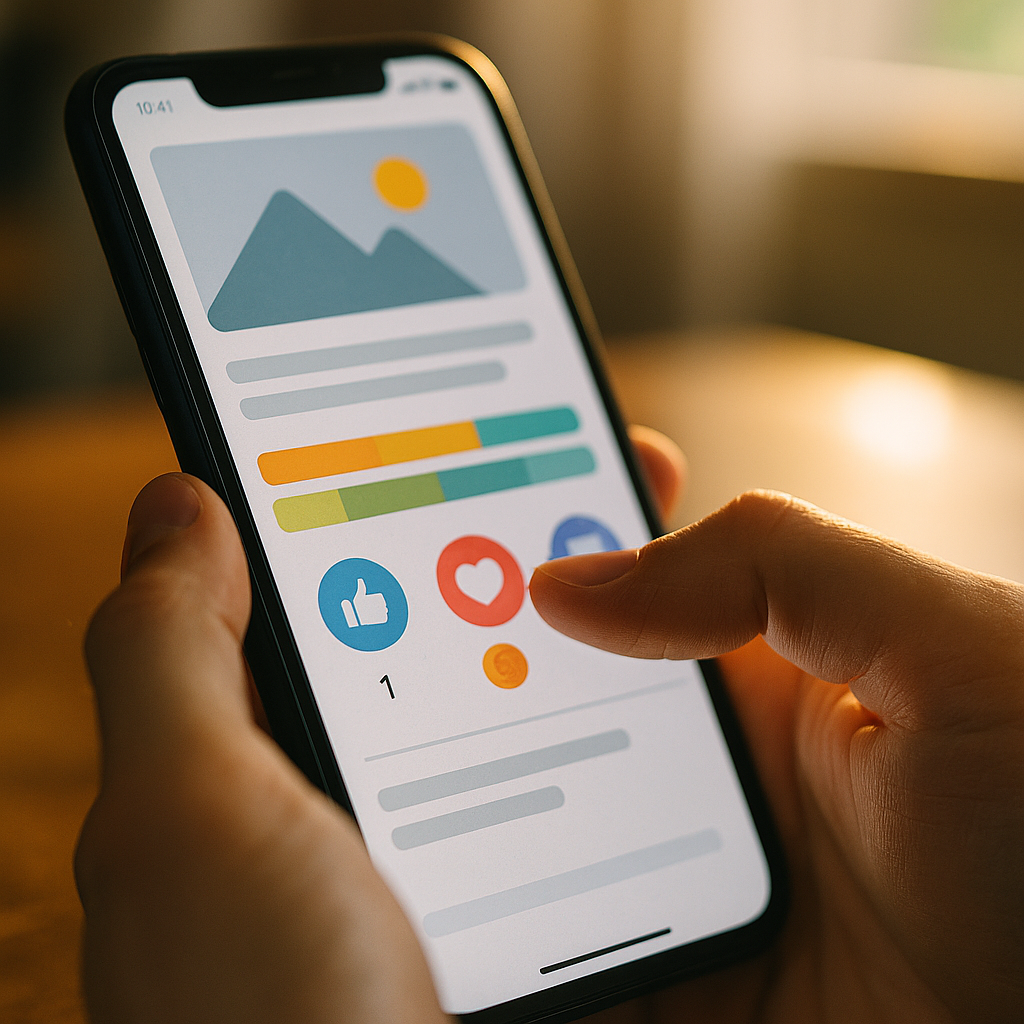
Micro-interactions are subtle, momentary events within digital interfaces that significantly enhance user satisfaction and engagement. By focusing on these fine details, product designers can improve the overall user experience and foster deeper brand loyalty. In 2025, understanding and applying the power of micro-interactions has become essential for businesses aiming to provide memorable and intuitive digital journeys. Ready to discover why?
How Micro-Interactions Elevate User Engagement
Micro-interactions, often unnoticed when executed well, are the tiny animations, sounds, or interface responses that occur during specific user actions. Whether it’s liking a social post, toggling a setting, or receiving a feedback notification, these moments shape a user’s perception of a product. When crafted thoughtfully, micro-interactions elevate user engagement and make digital experiences more dynamic and delightful.
According to a 2025 UX Insights report, interfaces with tailored micro-interactions see a 20% higher engagement rate and a measurable improvement in user retention. This demonstrates the immense value in embedding these subtle cues strategically within digital platforms. By simplifying complex processes, clarifying user actions, and acknowledging interactions, micro-interactions serve as both guideposts and positive reinforcements for users.
Designing Micro-Interactions for Emotional Impact
Effective micro-interaction design goes beyond aesthetics; it taps into human psychology by generating positive emotions. Even the smallest feedback—like a satisfying animation when sending an email—can spark delight and reduce cognitive friction. In 2025, leading brands allocate dedicated design resources to create micro-interactions that reflect their unique tone and values.
Successful micro-interaction design typically addresses:
- Trigger: The user action or event that initiates the micro-interaction, such as clicking or hovering.
- Feedback: A visible or audible response confirming that the action was recognized.
- Guidance: Subtle hints or animations that direct users toward the next action or inform them of successful completion.
By building an emotional connection through well-timed, sensory feedback, brands not only make their products enjoyable but also increase trust and reliability among users.
Improving Navigation and Usability with Micro-Interactions
One of the most strategic uses of micro-interactions for user navigation is to make applications feel intuitive. These micro-moments guide users smoothly across pages, indicate progress, and prevent them from feeling lost. For example, animated progress indicators in e-commerce checkouts or a ripple effect when tapping a button provide clarity and instill confidence.
Real-world examples in 2025 include:
- Button State Changes: Visual cues when a button is pressed, hovered, or disabled, letting users know which actions are available.
- Animated Transitions: Smooth shifts between screens that keep users oriented and reduce perceived wait times.
- Form Validation Feedback: Real-time prompts for errors or successful entry, minimizing frustration and abandonment rate.
These micro-interactions empower users to complete tasks efficiently and feel in control, which is foundational for high-performing digital products.
Enhancing Accessibility and Inclusivity Through Micro-Interactions
Embedding accessible micro-interactions ensures that digital interfaces cater to a greater audience, including those with disabilities. Accessibility is not just a compliance metric in 2025—it’s a fundamental principle for responsible and ethical design. Micro-interactions that incorporate clear color contrasts, descriptive screen reader text, and haptic feedback accommodate users with diverse needs.
Key practices for inclusive micro-interactions include:
- Using auditory and visual feedback together for essential user actions.
- Ensuring all animated micro-interactions are keyboard-navigable and screen reader friendly.
- Providing options for reduced motion for users sensitive to animation.
By prioritizing inclusivity, brands demonstrate empathy and extend their reach in an increasingly diverse digital landscape.
Best Practices for Implementing Micro-Interactions in 2025
To leverage micro-interaction UX best practices, businesses must approach execution with intention rather than novelty. Thoughtful micro-interactions are purposeful, consistent with brand identity, and never distract from main tasks. Here’s what successful companies are doing in 2025:
- Consistency: Use similar feedback for similar actions to prevent confusion.
- Performance: Optimize micro-interactions to run smoothly without delaying page load or core functionality.
- Testing: Gather user feedback through A/B tests and usability sessions to refine timings, visual styles, and triggers.
- Documentation: Create a design system that outlines micro-interaction guidelines for future scalability and coherence across products.
Remember, the purpose of micro-interactions is not to show off technical prowess, but to empower and reassure users across every touchpoint.
The Future of Micro-Interactions: Trends and Innovations
Looking ahead, micro-interactions are evolving with advancements in AI, machine learning, and personalization. In 2025, smart micro-interactions powered by user behavior can anticipate needs and respond contextually—like showing location-based prompts or adjusting tone based on user sentiment. Voice and gesture-based micro-interactions are also on the rise, especially as wearable devices and AR interfaces become mainstream.
Brands that invest in ongoing research and adaptive technology for micro-interactions will continue to stand out, offering seamless, emotionally intelligent user experiences that set them apart in competitive digital markets.
Conclusion: Unlocking User Loyalty with Micro-Interactions
Micro-interactions are the secret ingredient for memorable and effective user experiences. By refining these tiny moments, brands can boost engagement, improve accessibility, and foster lasting loyalty. In 2025’s digital landscape, investing in intelligent, inclusive micro-interactions is not just a trend—it’s a necessity for any organization that values its users.
FAQs About Micro-Interactions and User Experience
-
What are micro-interactions, and why are they important?
Micro-interactions are small, focused actions within digital products that provide feedback, guidance, or emotional resonance. They are crucial because they clarify user actions, reduce errors, and increase overall satisfaction.
-
How can micro-interactions improve accessibility?
Accessible micro-interactions use high contrast, descriptive text, haptic or audio feedback, and keyboard compatibility. When designed inclusively, they ensure all users, regardless of ability, can navigate and receive feedback effectively.
-
What are some examples of micro-interactions in everyday apps?
Common examples include like button animations, swipe-to-refresh effects, confirmation sounds, progress bars during uploads, and real-time form validation prompts.
-
How do I know if my micro-interactions are effective?
Monitor metrics like engagement rate, user feedback, task completion time, and error rates. Regular usability testing and A/B experiments can identify whether micro-interactions improve or hinder overall user experience.
-
Are micro-interactions just a design trend?
No, micro-interactions are a core aspect of user experience design. They have proven, through measurable outcomes and user studies, to increase satisfaction, loyalty, and accessibility in digital products.
Top Influencer Marketing Agencies
The leading agencies shaping influencer marketing in 2026
Agencies ranked by campaign performance, client diversity, platform expertise, proven ROI, industry recognition, and client satisfaction. Assessed through verified case studies, reviews, and industry consultations.
Moburst

-
2

The Shelf
Boutique Beauty & Lifestyle Influencer AgencyA data-driven boutique agency specializing exclusively in beauty, wellness, and lifestyle influencer campaigns on Instagram and TikTok. Best for brands already focused on the beauty/personal care space that need curated, aesthetic-driven content.Clients: Pepsi, The Honest Company, Hims, Elf Cosmetics, Pure LeafVisit The Shelf → -
3

Audiencly
Niche Gaming & Esports Influencer AgencyA specialized agency focused exclusively on gaming and esports creators on YouTube, Twitch, and TikTok. Ideal if your campaign is 100% gaming-focused — from game launches to hardware and esports events.Clients: Epic Games, NordVPN, Ubisoft, Wargaming, Tencent GamesVisit Audiencly → -
4

Viral Nation
Global Influencer Marketing & Talent AgencyA dual talent management and marketing agency with proprietary brand safety tools and a global creator network spanning nano-influencers to celebrities across all major platforms.Clients: Meta, Activision Blizzard, Energizer, Aston Martin, WalmartVisit Viral Nation → -
5

The Influencer Marketing Factory
TikTok, Instagram & YouTube CampaignsA full-service agency with strong TikTok expertise, offering end-to-end campaign management from influencer discovery through performance reporting with a focus on platform-native content.Clients: Google, Snapchat, Universal Music, Bumble, YelpVisit TIMF → -
6

NeoReach
Enterprise Analytics & Influencer CampaignsAn enterprise-focused agency combining managed campaigns with a powerful self-service data platform for influencer search, audience analytics, and attribution modeling.Clients: Amazon, Airbnb, Netflix, Honda, The New York TimesVisit NeoReach → -
7

Ubiquitous
Creator-First Marketing PlatformA tech-driven platform combining self-service tools with managed campaign options, emphasizing speed and scalability for brands managing multiple influencer relationships.Clients: Lyft, Disney, Target, American Eagle, NetflixVisit Ubiquitous → -
8

Obviously
Scalable Enterprise Influencer CampaignsA tech-enabled agency built for high-volume campaigns, coordinating hundreds of creators simultaneously with end-to-end logistics, content rights management, and product seeding.Clients: Google, Ulta Beauty, Converse, AmazonVisit Obviously →