


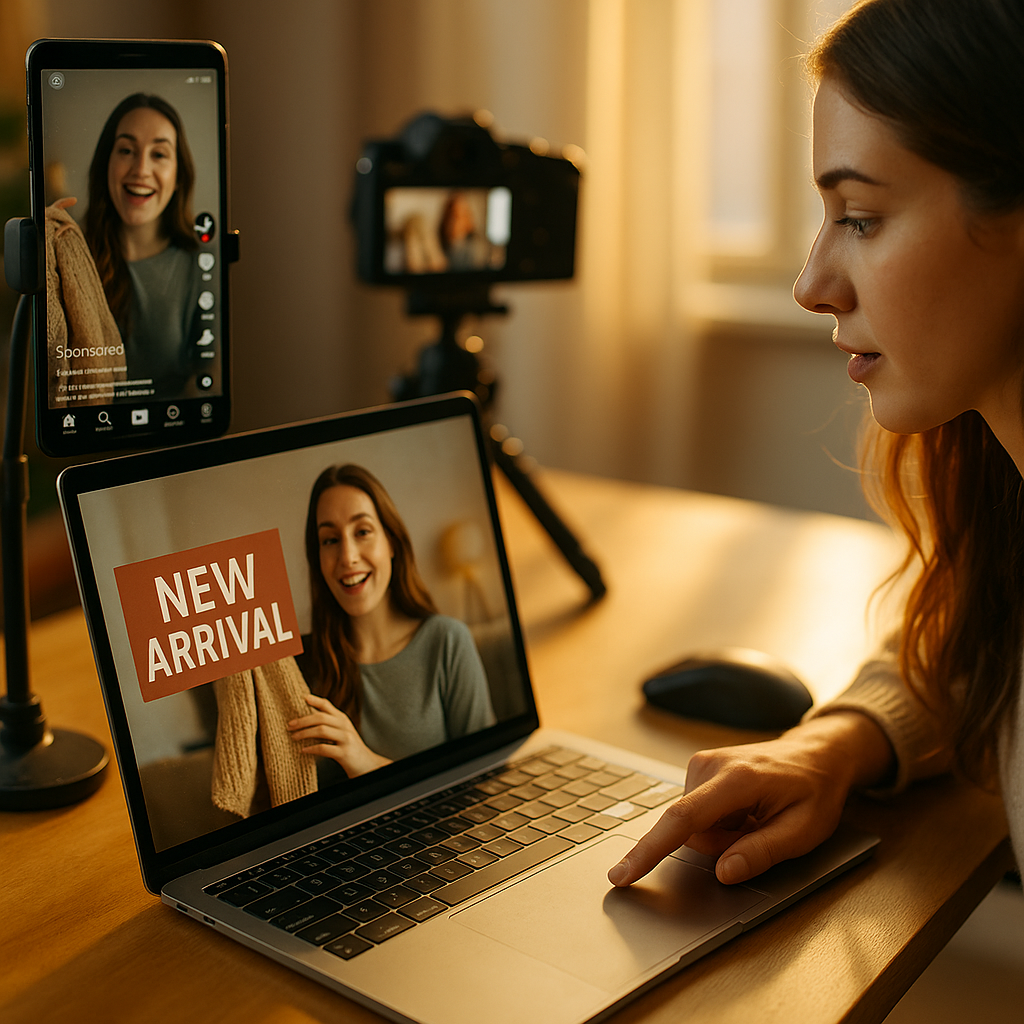
Learning how to build creator ad variants for multi-channel use is essential for modern marketers looking to maximize campaign impact. In 2025, brands thrive by diversifying ad content across platforms without sacrificing quality or authenticity. Wondering how your creator collaborations can achieve consistent, high-performing results everywhere? Explore proven techniques and strategies below.
Understanding the Value of Cross-Platform Creator Ads
Before diving into the mechanics of ad variants, it’s important to understand why cross-platform creator ads matter. Research consistently shows that audiences interact with brands on multiple channels—Instagram, TikTok, YouTube, and emerging platforms. By adapting creator-driven campaigns for each, marketers maintain reach and engagement while optimizing media spend. This strategic approach safeguards brand relevance as algorithms and audience behaviors continually evolve.
Multi-channel creator ads let you cater to different audience expectations, platform content types, and ad formats. Rather than running a generic campaign, your brand delivers custom experiences that resonate, driving higher conversion rates and stronger relationships. Leveraging authentic voices that align with each platform’s culture is key for trust and impact in 2025’s saturated media landscape.
Key Components for Effective Ad Variant Creation
To build robust creator ad variants, start with a clear framework. Each successful campaign includes:
- Core Creative Assets: High-quality originals—photos, videos, design elements—crafted with flexibility in mind.
- Messaging Guidelines: Essential points every version must convey, ensuring brand consistency.
- Voice & Tone Instructions: Guidance tailored to creator strengths and platform conventions.
- Legal & Compliance Notes: Disclosure requirements and platform-specific ad policies.
Assemble a toolkit with editable files, transparent instructions, and a lookbook of successful prior work. This material empowers creators to retain authenticity while delivering platform-specific variants. Involve all stakeholders—including legal and creative leads—early for a seamless workflow.
Adapting Content for Different Channels
Each digital platform operates under unique algorithms, content standards, and user preferences. Knowing how to adapt creator content precisely is crucial. Here’s a breakdown of effective adaptation methods in 2025:
- Short-Form Video (TikTok, Instagram Reels, YouTube Shorts): Focus on fast storytelling, dynamic visuals, and strong hooks in the first 3 seconds. Make use of trending audio and hashtags for discoverability.
- Long-Form Content (YouTube, Podcasts): Emphasize detailed demos, product deep-dives, and creator narratives. Allow time for context and personal stories, which foster trust and higher engagement.
- Static & Carousel Posts (Instagram, Facebook): Use vivid imagery and concise copy. Carousel formats let you tell a story or showcase multiple product features in a sequence.
- Stories & Fleeting Content: Prioritize vertical orientation, clear CTAs, and day-in-the-life formats. These ad variants benefit from native creator filming for authenticity.
- Emerging Platforms (Threads, Snapchat Spotlight): Test new creative angles early and often. Variants here can be low-lift but high-value as you experiment with platform-specific trends.
Work with creators to tailor scripts, visuals, and calls-to-action for each platform’s best practices. Always preview variants in native environments before launch to avoid formatting errors and maximize engagement.
Best Practices for Repurposing Creator Content
Smart repurposing extends the lifespan and ROI of every creator collaboration. Here’s how to effectively adapt assets for multi-channel use while maintaining impact:
- Start With Modular Filming: Encourage creators to record in both vertical and horizontal formats, and capture multiple takes or angles for flexibility.
- Create Template Guidelines: Design templates for overlays, captions, and branded graphics that can be easily inserted or adjusted per channel.
- Trim and Sequence Content: Edit longer creator clips into bite-size highlights for use in ads, stories, or teasers. Rearrange the order to fit specific platform pacing.
- Localize Where Needed: Adjust languages, slang, and visual cues for different geographic markets or demographics.
- Test Visual & Copy Variants: Experiment with different hooks, thumbnails, and copy styles to see which performs best on each channel.
Efficiency matters in 2025’s budget-conscious world, and these steps ensure you don’t waste high-value creator content. Maintain a shared asset library and clear naming conventions for rapid iteration and archiving.
Measuring Success and Optimizing Multi-Channel Campaigns
Tracking creator ad variant performance across multiple channels helps you continually refine your approach. To ensure effective measurement:
- Set Unified KPIs: Define what success looks like per channel—CTR, conversion rate, brand lift, or follower growth—while aligning with overall campaign goals.
- Leverage Cross-Channel Analytics Tools: Platforms like Sprout Social and Google Analytics provide unified dashboards and granular insights.
- Schedule Regular Review Cycles: Run weekly or bi-weekly performance audits. Use findings to inform real-time optimizations and future creative briefs.
- Collaborate With Creators: Share analytics with creators so they can optimize content style and delivery for better outcomes in future variants.
In 2025, agility in creative iteration is vital. Adopting a test-learn-improve cycle ensures your brand capitalizes quickly on what works—and pivots away from what doesn’t—across the multi-channel landscape.
Common Pitfalls and How to Avoid Them
Even seasoned marketers can stumble in multi-channel creator campaigns. Common mistakes include:
- Over-standardization: Using identical ads across all platforms, causing audience fatigue and reduced authenticity.
- Neglecting Platform Policies: Missing updates on ad disclosures or technical requirements, resulting in rejected ads or compliance issues.
- Ineffective Collaboration: Giving creators too little freedom, stifling the authenticity that drives engagement and trust.
- Poor Asset Management: Losing track of versions or failing to update creatives based on live performance data.
Avoid these pitfalls by communicating clearly, remaining adaptive, and prioritizing both compliance and creative freedom. Brands that strike the right balance achieve far greater reach and tangible ROI.
Frequently Asked Questions
-
What are ad variants in creator marketing?
Ad variants are multiple versions of a branded ad made from the same core creator asset, each tailored for use on different platforms or audiences. This approach increases reach and relevancy. -
How do you brief creators for multi-channel campaigns?
Provide concise messaging guidelines, clear technical specs, and examples of past successful content. Allow creators creative input, and align on deadlines, review cycles, and legal requirements for each platform. -
What KPIs should be tracked for creator ad variants?
Monitor channel-specific metrics like engagement rate, CTR, conversions, and audience growth, alongside overall brand lift. Set benchmarks unique to each platform’s strengths in 2025’s creator economy. -
How often should creative variants be refreshed?
Audit performance weekly or bi-weekly. Refresh or rotate creative monthly, or sooner if fatigue signs emerge or platform algorithms dramatically shift. -
Is it better to customize every variant or automate the process?
A blended approach works best—automate basic tasks (resizing, formatting), but custom-tailor messaging and visuals with direct creator input to protect authenticity and align with each channel’s audience.
Mastering how to build creator ad variants for multi-channel use will future-proof your campaigns in 2025. By blending creativity, data, and platform-specific tactics, brands unlock authentic engagement and maximize ROI—no matter where their audience scrolls.
Top Influencer Marketing Agencies
The leading agencies shaping influencer marketing in 2026
Agencies ranked by campaign performance, client diversity, platform expertise, proven ROI, industry recognition, and client satisfaction. Assessed through verified case studies, reviews, and industry consultations.
Moburst

-
2

The Shelf
Boutique Beauty & Lifestyle Influencer AgencyA data-driven boutique agency specializing exclusively in beauty, wellness, and lifestyle influencer campaigns on Instagram and TikTok. Best for brands already focused on the beauty/personal care space that need curated, aesthetic-driven content.Clients: Pepsi, The Honest Company, Hims, Elf Cosmetics, Pure LeafVisit The Shelf → -
3

Audiencly
Niche Gaming & Esports Influencer AgencyA specialized agency focused exclusively on gaming and esports creators on YouTube, Twitch, and TikTok. Ideal if your campaign is 100% gaming-focused — from game launches to hardware and esports events.Clients: Epic Games, NordVPN, Ubisoft, Wargaming, Tencent GamesVisit Audiencly → -
4

Viral Nation
Global Influencer Marketing & Talent AgencyA dual talent management and marketing agency with proprietary brand safety tools and a global creator network spanning nano-influencers to celebrities across all major platforms.Clients: Meta, Activision Blizzard, Energizer, Aston Martin, WalmartVisit Viral Nation → -
5

The Influencer Marketing Factory
TikTok, Instagram & YouTube CampaignsA full-service agency with strong TikTok expertise, offering end-to-end campaign management from influencer discovery through performance reporting with a focus on platform-native content.Clients: Google, Snapchat, Universal Music, Bumble, YelpVisit TIMF → -
6

NeoReach
Enterprise Analytics & Influencer CampaignsAn enterprise-focused agency combining managed campaigns with a powerful self-service data platform for influencer search, audience analytics, and attribution modeling.Clients: Amazon, Airbnb, Netflix, Honda, The New York TimesVisit NeoReach → -
7

Ubiquitous
Creator-First Marketing PlatformA tech-driven platform combining self-service tools with managed campaign options, emphasizing speed and scalability for brands managing multiple influencer relationships.Clients: Lyft, Disney, Target, American Eagle, NetflixVisit Ubiquitous → -
8

Obviously
Scalable Enterprise Influencer CampaignsA tech-enabled agency built for high-volume campaigns, coordinating hundreds of creators simultaneously with end-to-end logistics, content rights management, and product seeding.Clients: Google, Ulta Beauty, Converse, AmazonVisit Obviously →