


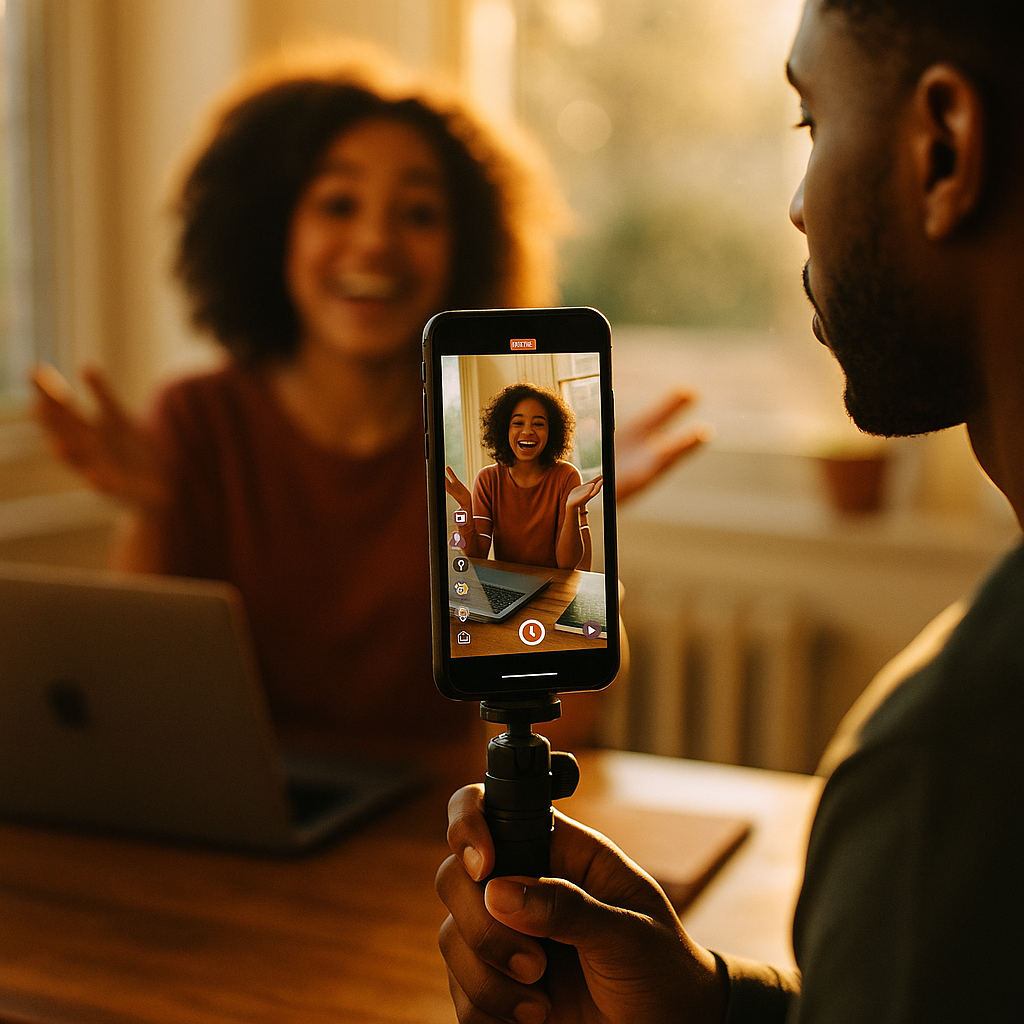
Building creator content that feels like native behavior is a game-changer for brands and influencers aiming to boost engagement in 2025’s social media landscape. Rather than feeling like ads, native-style content fits seamlessly into users’ feeds. Read on to discover strategies for crafting creator content that resonates genuinely and drives action.
Understanding Native-Like Creator Content for Authentic Engagement
At its core, native-like creator content mirrors the style, tone, and behavior of organic user-generated posts. This approach hinges on authenticity—a quality highly valued by digital audiences in 2025. According to a HubSpot report from late 2024, 87% of consumers crave content that feels “real” rather than overly polished or sales-oriented. Creating native-feeling content fosters trust and naturally increases engagement, as audiences interact more with content that appears relatable.
Brands and creators should carefully study the platforms they target. Observe what resonates organically: memes on TikTok, “day in the life” Reels on Instagram, or conversational threads on X (formerly Twitter). These elements set the tone for successful native content and inspire more sincere creator-brand collaborations.
Identifying Platform-Specific Native Behaviors
Each social media channel has unique visual and cultural norms. To ensure creator posts are indistinguishable from non-sponsored posts, it’s vital to adapt the content form to fit platform-specific native behaviors:
- TikTok: Short-form, jump-cut videos with in-app effects and trending music. Prioritize casual, behind-the-scenes moments or relatable skits.
- Instagram: Visually-led Stories, Reels, and carousels featuring real-life moments, candid voiceovers, and “unedited” filters.
- YouTube: Longer, story-driven vlogs, “A day in the life” content, and honest product reviews that reflect the creator’s genuine opinions.
- X (Twitter): Conversational, quick commentary threads, meme participation, and personal anecdotes.
Research current platform trends regularly. Tools like TrendTok (for TikTok) or Sprout Social’s Listening feature help creators and brands keep content current and compelling without straying into overt promotion.
Collaborating with Creators for True Audience Connection
Authentic creator content relies on trust between brands and creators. In 2025, brands see optimal results when they:
- Choose values-aligned creators: Collaborate with voices who genuinely use and value your brand or product. This ensures their endorsements feel natural.
- Empower creative control: Give creators room to interpret briefs in their own voices and styles. Prescriptive guidelines risk stripping away authenticity.
- Prioritize storytelling: Instead of strict product placements, encourage creators to weave your brand story into their typical content—for example, showcasing how your product fits into their daily routine.
Recent Nielsen research shows collaborations that prioritize creative autonomy can drive up to 34% higher engagement. The audience trusts the creator’s real experience and intuition, perceiving branded content as helpful rather than intrusive.
Crafting Relatable Stories That Align with Audience Needs
Content strategy should always start with empathy. Native creator content works best when it solves problems or entertains in a relatable way. Before scripting content, ask:
- What pain points or aspirations do our shared audience have?
- How does the creator usually communicate these themes?
- Can the product or service solve a real-life challenge, or provide value in a novel way?
For example, instead of a direct tutorial, creators might use storytelling—showing the impact of a skincare product over several real-life moments, or integrating a fitness supplement into a playful challenge. In 2025, data from Sprout Social highlight that purpose-driven and narrative content drives a 27% uptick in earned media value compared to generic posts.
Respecting Disclosure Without Disrupting Native Flow
Transparency is non-negotiable. Regulatory guidance in 2025 mandates full disclosure of brand partnerships, but this shouldn’t break immersion. Encourage creators to announce partnerships in their unique voice—using on-screen text, hashtags like #ad or #sponsored, or humorous asides that fit their style. When disclosures are woven naturally, audiences don’t mind them and still perceive the content as trustworthy.
Remember: the FTC’s stance is clear. Non-disclosure risks hefty penalties and damages long-term trust. Investing in clear, honest communication protects both creators and brands while sustaining engagement rates.
Optimizing Native Content for Discoverability and Conversion
Even the best native-feeling content must be optimized for algorithms and conversion. Here’s how to increase your content’s reach and impact in 2025:
- Leverage in-platform features: Use trending hashtags, sounds, and interactive stickers to boost algorithmic favor.
- Encourage engagement: Prompt viewers to comment, share, or duet— algorithms reward content that sparks interaction.
- Maintain on-brand visuals: Subtle branding (e.g., packaging in the background) keeps content recognizable without breaking the native illusion.
- Monitor analytics: Assess engagement, reach, and conversion rates. Iterate strategies based on what resonates most.
- Migrate learnings: Test what works on one platform and adapt successful approaches to others, always respecting local nuances.
Ongoing optimization—rooted in analytics and experimentation—ensures your creator content consistently aligns with both audience preferences and business goals.
Building creator content that feels like native behavior is an ongoing process of research, collaboration, audience empathy, and optimization. Brands and creators that prioritize authenticity and seamlessly blend value with entertainment will stay ahead in 2025’s ever-evolving content landscape.
Frequently Asked Questions
- What makes content “native” to a platform?
Native content is designed to blend with organic, user-generated posts. It aligns with platform-specific formats, trends, and communication styles so audiences see it as part of their usual feed—rather than an intrusive ad. - How do I ensure creator posts don’t feel like ads?
Empower creators with creative control, prioritize storytelling over hard selling, and adapt each campaign to match the platform’s native behaviors and trends. - Is disclosure required in native creator content?
Yes. Regulatory bodies require creators to disclose sponsored partnerships. However, disclosures can be integrated within the creator’s authentic style without disrupting the viewing experience. - Should native content be optimized for algorithms?
Absolutely. Use relevant hashtags, trending features, and interactive prompts to maximize reach and discoverability, while keeping the content genuine and audience-focused. - Can brands use the same native strategy across all platforms?
Strategies should be tailored for each platform, respecting unique content formats and cultural nuances. Insights from one channel can inform, but not directly replace, efforts on another.
Top Influencer Marketing Agencies
The leading agencies shaping influencer marketing in 2026
Agencies ranked by campaign performance, client diversity, platform expertise, proven ROI, industry recognition, and client satisfaction. Assessed through verified case studies, reviews, and industry consultations.
Moburst

-
2

The Shelf
Boutique Beauty & Lifestyle Influencer AgencyA data-driven boutique agency specializing exclusively in beauty, wellness, and lifestyle influencer campaigns on Instagram and TikTok. Best for brands already focused on the beauty/personal care space that need curated, aesthetic-driven content.Clients: Pepsi, The Honest Company, Hims, Elf Cosmetics, Pure LeafVisit The Shelf → -
3

Audiencly
Niche Gaming & Esports Influencer AgencyA specialized agency focused exclusively on gaming and esports creators on YouTube, Twitch, and TikTok. Ideal if your campaign is 100% gaming-focused — from game launches to hardware and esports events.Clients: Epic Games, NordVPN, Ubisoft, Wargaming, Tencent GamesVisit Audiencly → -
4

Viral Nation
Global Influencer Marketing & Talent AgencyA dual talent management and marketing agency with proprietary brand safety tools and a global creator network spanning nano-influencers to celebrities across all major platforms.Clients: Meta, Activision Blizzard, Energizer, Aston Martin, WalmartVisit Viral Nation → -
5

The Influencer Marketing Factory
TikTok, Instagram & YouTube CampaignsA full-service agency with strong TikTok expertise, offering end-to-end campaign management from influencer discovery through performance reporting with a focus on platform-native content.Clients: Google, Snapchat, Universal Music, Bumble, YelpVisit TIMF → -
6

NeoReach
Enterprise Analytics & Influencer CampaignsAn enterprise-focused agency combining managed campaigns with a powerful self-service data platform for influencer search, audience analytics, and attribution modeling.Clients: Amazon, Airbnb, Netflix, Honda, The New York TimesVisit NeoReach → -
7

Ubiquitous
Creator-First Marketing PlatformA tech-driven platform combining self-service tools with managed campaign options, emphasizing speed and scalability for brands managing multiple influencer relationships.Clients: Lyft, Disney, Target, American Eagle, NetflixVisit Ubiquitous → -
8

Obviously
Scalable Enterprise Influencer CampaignsA tech-enabled agency built for high-volume campaigns, coordinating hundreds of creators simultaneously with end-to-end logistics, content rights management, and product seeding.Clients: Google, Ulta Beauty, Converse, AmazonVisit Obviously →