


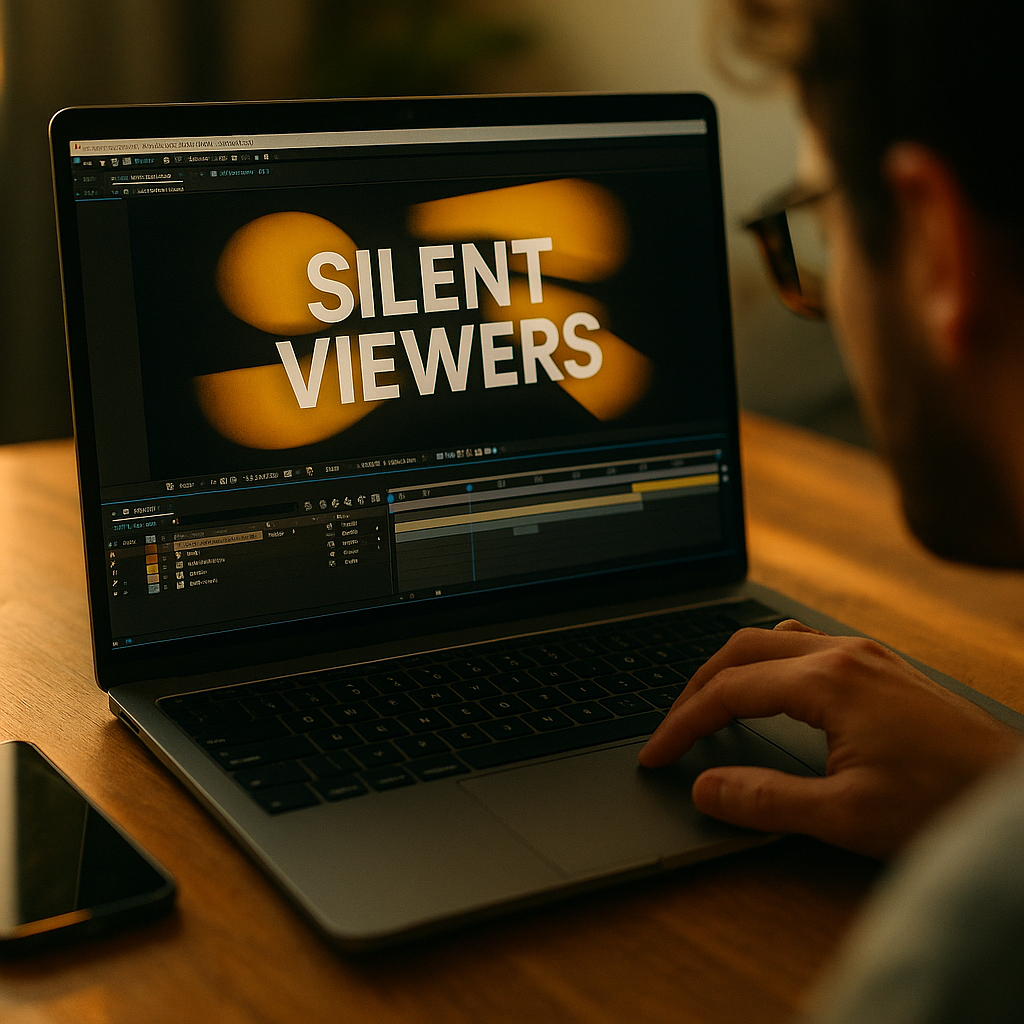
Kinetic text trends have revolutionized how content creators keep viewers engaged without sound, making text animation a crucial part of modern video strategies. As audiences increasingly scroll in silence, how can you ensure your message is heard? Discover the latest kinetic text techniques that captivate attention and drive engagement—even when the volume is off.
The Rise of Silent Viewing: Why Kinetic Text Matters Now
Silent video consumption is higher than ever. In 2025, over 80% of social media videos are watched without sound, according to a recent Meta study. This shift means compelling visuals must do the heavy lifting. Kinetic text immediately stands out as the hero element—transforming spoken content into captivating, readable animations that maintain audience interest and ensure your message gets through.
For brands and creators, adapting to this mute-first world is essential. Platforms like Instagram, LinkedIn, and TikTok now prioritize accessible, sound-optional content. If your message isn’t clear without audio, you risk being overlooked. Kinetic text trends have emerged as a solution, bridging the communication gap with dynamic, on-screen typography that brings clarity and energy to every frame.
Kinetic Typography Techniques That Drive Viewer Engagement
Adopting modern kinetic typography can dramatically elevate your video content. The trend has evolved beyond basic subtitles—today, kinetic text includes:
- Motion-matched text: Words that synchronize with on-screen actions, making the message more memorable.
- Dynamic color contrasts: Vibrant hues differentiate keywords and guide the viewer’s focus.
- Layered animations: Multi-stage reveals, bounces, and fades that mirror natural speech rhythms and emotional beats.
- Minimalism: Clean backgrounds and simple fonts reduce distraction, helping viewers focus on each word.
Effective kinetic text aligns with video pacing, brand identity, and the story’s tone. Marketers and video producers now use advanced animation tools to choreograph text, ensuring information is both eye-catching and digestible at a glance. This directly impacts retention: research indicates viewers are 70% more likely to recall information presented with animated text.
Accessibility and Inclusivity: Expanding Your Reach Without Audio
Creating accessible content isn’t just ethical—it widens your audience. Kinetic text plays a vital role in making videos inclusive for the deaf and hard-of-hearing communities. According to the World Health Organization, over 1.6 billion people live with hearing loss globally, making accessible text essential.
Today’s leading kinetic text trends emphasize:
- Readable font choices: High-contrast colors and generous font sizes enhance legibility across devices.
- Logical sequencing: Animating text in sync with visuals and voiceover (if present) supports full comprehension.
- Clear hierarchy: Titles, captions, and calls to action are easily distinguishable for quick scanning.
By prioritizing these design elements, creators ensure that everyone—including those browsing in silence—receives the intended message. This commitment to accessibility increases engagement statistics and meets platform guidelines, providing content with broader reach and stronger impact.
Platform-Specific Kinetic Text Strategies for 2025
Each social platform has unique requirements for kinetic text success. In 2025, mobile viewing dominates, and content is consumed quickly and on-the-go. Tailoring kinetic text to platform trends is crucial:
- Instagram Reels & TikTok: Short-form vertical videos need fast, punchy kinetic text in the center third of the screen. Keep lines under 60 characters for readability on small devices.
- LinkedIn: Professional audiences benefit from clean, branded text overlays that echo corporate color palettes and concise messaging for thought leadership content.
- YouTube: Longer-form videos thrive with chapter titles, kinetic bullet points, and animated infographics embedded throughout to sustain attention.
- Stories & Ads: Kinetic text doubles as a call-to-action, leading viewers through sign-up flows, swipe-ups, or discount codes with animated cues.
Staying current with platform best practices prevents your content from being skipped. Study the kinetic trends successful creators in your niche use, and experiment to find what resonates with your target audience.
Best Practices for Designing Effective Kinetic Text Animations
Designing powerful kinetic text goes beyond just animation. It’s about ensuring clarity, purpose, and brand consistency in every frame. Here’s how to create kinetic text that captivates:
- Define the message: Identify the key points for animation, and strip away non-essentials.
- Optimize timing: Ensure text stays on screen long enough to be read easily, but avoid laggy pacing.
- Test contrast: Always pair text colors and backgrounds for high visibility—not just aesthetics.
- Use hierarchy: Vary size and boldness for important terms, helping guide the viewer naturally through the message.
- Preview on mobile: Most silent viewers are on phones—test for font size, spacing, and speed to guarantee accessibility.
- Maintain branding: Animate logos, taglines, and unique fonts to reinforce brand recognition, even without sound.
Apply these best practices to every video. Your audience will thank you by staying engaged longer and sharing your content—and your brand’s voice—more widely.
Measuring Engagement: Analytics & Continuous Improvement
What gets measured gets managed. To truly leverage kinetic text trends, track performance and iterate. Monitoring metrics such as viewer retention rates, average watch times, and tap-through rates (in stories or ads) will reveal which kinetic text strategies resonate best.
- A/B test kinetic text styles: Compare font choices, animation speeds, and layouts to optimize engagement.
- Gather feedback: Invite viewers to comment on clarity and reading experience—direct input fuels rapid improvement.
- Review drop-off points: Analytics tools can pinpoint where viewers lose interest, suggesting tweaks to text pacing or design.
Continue analyzing data regularly. Brands and creators who evolve with their audience—adapting kinetic typography as trends shift—remain relevant in a competitive, silent-first content landscape.
FAQs About Kinetic Text Trends and Sound-Off Engagement
- What is kinetic text, and how does it differ from subtitles?
Kinetic text refers to animated, stylized text that moves or changes on screen to emphasize key messages. Unlike static subtitles, kinetic text is visually dynamic, designed to engage and guide viewers through content. - Why is kinetic text so important for videos watched without sound?
As the majority of videos are consumed silently, kinetic text ensures your core message is conveyed visually, improving comprehension and engagement for all viewers, including those with hearing loss. - Which social media platforms benefit most from kinetic text?
Instagram, TikTok, LinkedIn, and YouTube all benefit, but especially mobile-first and short-form platforms, where viewers expect instant clarity and fast-moving visuals. - How do I choose the right font and color for kinetic text?
Prioritize high-contrast, legible fonts and brand-aligned colors. Test your designs on multiple devices to ensure all users can easily read and engage with your text. - Can kinetic text improve accessibility as well as engagement?
Absolutely. By using clear fonts, adequate sizing, and logical sequencing, kinetic text supports viewers with hearing impairments and creates a more inclusive viewing experience for everyone.
Kinetic text trends are reshaping how creators captivate audiences without sound, offering both engagement and accessibility. By mastering these techniques, your brand can maintain its message and impact in a silent-first world—one dynamic frame at a time.
Top Influencer Marketing Agencies
The leading agencies shaping influencer marketing in 2026
Agencies ranked by campaign performance, client diversity, platform expertise, proven ROI, industry recognition, and client satisfaction. Assessed through verified case studies, reviews, and industry consultations.
Moburst

-
2

The Shelf
Boutique Beauty & Lifestyle Influencer AgencyA data-driven boutique agency specializing exclusively in beauty, wellness, and lifestyle influencer campaigns on Instagram and TikTok. Best for brands already focused on the beauty/personal care space that need curated, aesthetic-driven content.Clients: Pepsi, The Honest Company, Hims, Elf Cosmetics, Pure LeafVisit The Shelf → -
3

Audiencly
Niche Gaming & Esports Influencer AgencyA specialized agency focused exclusively on gaming and esports creators on YouTube, Twitch, and TikTok. Ideal if your campaign is 100% gaming-focused — from game launches to hardware and esports events.Clients: Epic Games, NordVPN, Ubisoft, Wargaming, Tencent GamesVisit Audiencly → -
4

Viral Nation
Global Influencer Marketing & Talent AgencyA dual talent management and marketing agency with proprietary brand safety tools and a global creator network spanning nano-influencers to celebrities across all major platforms.Clients: Meta, Activision Blizzard, Energizer, Aston Martin, WalmartVisit Viral Nation → -
5

The Influencer Marketing Factory
TikTok, Instagram & YouTube CampaignsA full-service agency with strong TikTok expertise, offering end-to-end campaign management from influencer discovery through performance reporting with a focus on platform-native content.Clients: Google, Snapchat, Universal Music, Bumble, YelpVisit TIMF → -
6

NeoReach
Enterprise Analytics & Influencer CampaignsAn enterprise-focused agency combining managed campaigns with a powerful self-service data platform for influencer search, audience analytics, and attribution modeling.Clients: Amazon, Airbnb, Netflix, Honda, The New York TimesVisit NeoReach → -
7

Ubiquitous
Creator-First Marketing PlatformA tech-driven platform combining self-service tools with managed campaign options, emphasizing speed and scalability for brands managing multiple influencer relationships.Clients: Lyft, Disney, Target, American Eagle, NetflixVisit Ubiquitous → -
8

Obviously
Scalable Enterprise Influencer CampaignsA tech-enabled agency built for high-volume campaigns, coordinating hundreds of creators simultaneously with end-to-end logistics, content rights management, and product seeding.Clients: Google, Ulta Beauty, Converse, AmazonVisit Obviously →