


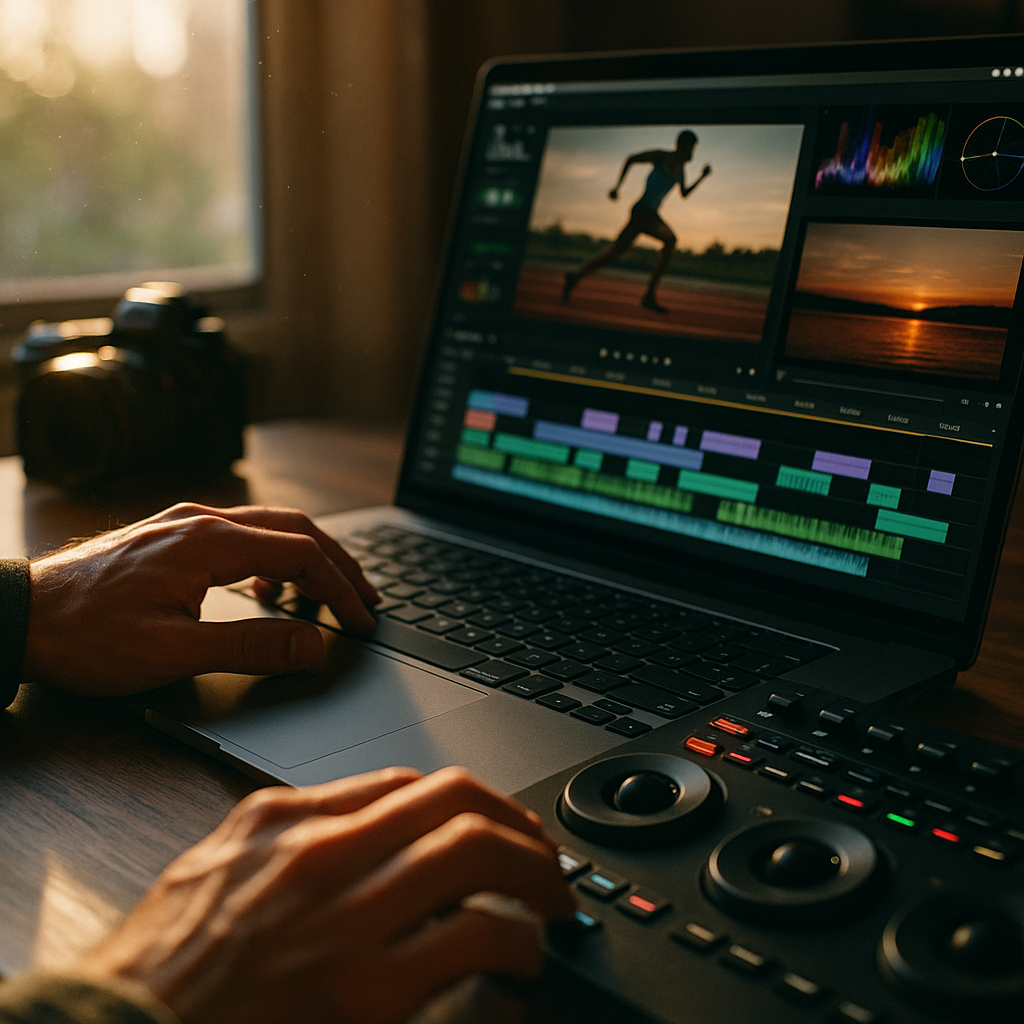
Editing pacing shapes the rhythm and feel of every film, television show, and online video. Understanding fast cuts versus slow flow is crucial whether you’re a content creator, video editor, or storyteller. This article explores the impact of editing pacing on viewers’ emotions, attention, and narrative clarity. Discover which style aligns best with your creative vision and captivate your audience’s attention.
Understanding Editing Pacing: The Heartbeat of Video Content
Editing pacing refers to how quickly or slowly individual shots or scenes transition in a video. This foundational concept determines a viewer’s emotional engagement, comprehension, and even retention rates. The creative choice between a fast-cut sequence and a slow-flow edit can make or break the storytelling impact. Decisions about pacing are informed by genre, platform, and audience expectation. In 2025, as video content dominates social media and streaming platforms, mastering editing pacing has never been more important for creators and brands alike.
Fast Cuts: Energizing Audiences and Enhancing Excitement
Fast cuts involve a rapid succession of shots, often with little visual or narrative downtime. This style is prevalent in action films, energetic commercials, music videos, and much of today’s short-form web content. The main advantages of fast cuts include:
- Heightened engagement: Rapid transitions capture viewers’ attention, preventing them from losing interest, especially on social media platforms where audience attention spans are historically short.
- Dynamic storytelling: Fast cuts create urgency and excitement, immersing viewers in action or complex sequences without lingering pauses.
- Information compression: Editors can deliver a narrative or idea succinctly within a limited timeframe, crucial for commercials or highlight reels.
However, overusing fast cuts risks overwhelming the audience, causing confusion or emotional detachment. Audience testing in 2025 shows that younger viewers expect brisk pacing, but crave balance—too much speed can feel chaotic. Smart creators leverage rapid editing for moments of high tension, joy, or adrenaline, then pull back to let stories breathe.
Slow Flow: Deliberate Editing for Emotional Depth
The power of slow flow lies in its ability to develop mood, character, and atmosphere. Slow-paced editing emphasizes longer takes, lingering shots, and gentle transitions. Common in dramas, documentaries, and art films, this style provides:
- Emotional resonance: Extended moments allow viewers to absorb subtle performances and emotionally invest in characters and stories.
- Narrative clarity: Slower editing ensures that complex information or dialogue isn’t lost, making it perfect for deeper storytelling.
- Cinematic aesthetics: Directors use slow pacing to produce visually stunning films, relying on composition and actor presence rather than constant movement.
Current research highlights an increasing appetite for slower-paced documentaries and features among mature audiences, seeking nuanced perspectives in a fast-scrolling world. Yet, too much slow flow can bore or alienate, especially when modern viewers expect more efficient storytelling. Finding the right duration for each shot is a nuanced craft that separates skilled editors from novices.
Choosing the Right Pacing Strategy: Context and Audience Matter Most
How should you decide between fast cuts and slow flow? Begin by analyzing your intended audience and narrative goals. In 2025, data-driven insights and A/B video testing reveal clear trends:
- Genre conventions: Action, thriller, comedy, and promotional pieces thrive with faster edits, while drama, romance, and documentaries benefit from slower pacing.
- Platform demand: Social media favors quick edits to “stop the scroll,” whereas streaming audiences are more receptive to deliberate storytelling.
- Demographic expectations: Younger audiences prefer energetic pacing, while older demographics tend to appreciate more contemplative flow.
Balance is key—alternating pacing within a single project can maximize engagement. Pacing should serve the story, setting, and emotion of every segment. Successful editors review analytics on watch time and viewer drop-off to refine their approach for future projects.
Case Studies: When Fast Cuts or Slow Flow Make the Difference
Let’s see how editing pacing shapes outcomes with real-world examples:
- Fast Cuts in Brand Commercials: A sportswear company used rapid-fire montage editing to energize viewers and boost conversion rates on social media. Their ad’s 15-second duration relied on fast pacing to communicate value and urgency.
- Slow Flow in Documentary Filmmaking: A nature documentary series leveraged patient, contemplative editing. Through lingering shots of animal behavior, the series allowed audiences to emotionally connect with its conservation message, reflected in higher engagement metrics among environmentally-minded viewers.
- Hybrid Approaches: Many 2025 streaming dramas interweave fast and slow pacing—quick cuts for action sequences, blended with slow-flow for emotional climaxes—delivering a well-rounded and compelling viewing experience.
These examples highlight that effective pacing depends on thoughtful analysis, expert intuition, and a willingness to adapt to evolving audience trends.
Expert Techniques for Mastering Editing Pacing
Seasoned editors follow several best practices to ensure their pacing enhances story impact:
- Storyboarding and timing: Outline key story beats and estimate shot durations before filming. This proactive planning prevents both drag and overload.
- Musical rhythm: Aligning cuts with soundtrack tempo can guide pacing naturally, especially in music-driven content.
- Testing and feedback: Share rough cuts with test audiences and review engagement analytics to spot pacing issues.
- Purposeful variation: Change pacing intentionally—speed up during action, slow down for introspection—to keep viewers invested.
- Letting emotions dictate flow: The emotional truth of a scene should guide whether a moment needs to linger or rush forward.
Embracing these strategies ensures your editing pacing always serves the greater narrative and audience expectation, not just a stylistic trend.
Conclusion: Fast Cuts or Slow Flow—Let Purpose Lead Your Pacing
Both fast cuts and slow flow have unique strengths in editing pacing; the best editors choose intentionally, guided by story needs and audience expectations. Analyze your goals, use data-driven feedback, and integrate purposeful variations. The right pacing turns visual content into unforgettable storytelling—captivate, don’t just cut.
FAQs: Editing Pacing, Fast Cuts, and Slow Flow Explained
-
What is editing pacing in video production?
Editing pacing refers to the rhythm and speed at which shots or scenes transition in a film or video. It directly affects viewer engagement, emotional impact, and storytelling clarity.
-
When should I use fast cuts?
Use fast cuts to energize scenes, build excitement, or create urgency—ideal for action genres, highlight reels, and short-form content on social media platforms.
-
What makes slow flow effective?
Slow flow allows the audience to absorb emotions, details, and context. It’s most effective in stories focused on character, mood, or atmosphere—think dramas, documentaries, and contemplative films.
-
How do I know if my pacing is right?
Analyze audience retention, feedback, and emotional response. If viewers remain engaged and your narrative’s impact is as intended, your pacing is likely effective. Testing different versions can offer valuable insight.
-
Can I mix fast and slow pacing in one video?
Absolutely. Combining fast cuts and slow flow can maintain interest, highlight key moments, and craft deeper emotional journeys. Many of 2025’s best-loved videos alternate pacing to great effect.
Top Influencer Marketing Agencies
The leading agencies shaping influencer marketing in 2026
Agencies ranked by campaign performance, client diversity, platform expertise, proven ROI, industry recognition, and client satisfaction. Assessed through verified case studies, reviews, and industry consultations.
Moburst

-
2

The Shelf
Boutique Beauty & Lifestyle Influencer AgencyA data-driven boutique agency specializing exclusively in beauty, wellness, and lifestyle influencer campaigns on Instagram and TikTok. Best for brands already focused on the beauty/personal care space that need curated, aesthetic-driven content.Clients: Pepsi, The Honest Company, Hims, Elf Cosmetics, Pure LeafVisit The Shelf → -
3

Audiencly
Niche Gaming & Esports Influencer AgencyA specialized agency focused exclusively on gaming and esports creators on YouTube, Twitch, and TikTok. Ideal if your campaign is 100% gaming-focused — from game launches to hardware and esports events.Clients: Epic Games, NordVPN, Ubisoft, Wargaming, Tencent GamesVisit Audiencly → -
4

Viral Nation
Global Influencer Marketing & Talent AgencyA dual talent management and marketing agency with proprietary brand safety tools and a global creator network spanning nano-influencers to celebrities across all major platforms.Clients: Meta, Activision Blizzard, Energizer, Aston Martin, WalmartVisit Viral Nation → -
5

The Influencer Marketing Factory
TikTok, Instagram & YouTube CampaignsA full-service agency with strong TikTok expertise, offering end-to-end campaign management from influencer discovery through performance reporting with a focus on platform-native content.Clients: Google, Snapchat, Universal Music, Bumble, YelpVisit TIMF → -
6

NeoReach
Enterprise Analytics & Influencer CampaignsAn enterprise-focused agency combining managed campaigns with a powerful self-service data platform for influencer search, audience analytics, and attribution modeling.Clients: Amazon, Airbnb, Netflix, Honda, The New York TimesVisit NeoReach → -
7

Ubiquitous
Creator-First Marketing PlatformA tech-driven platform combining self-service tools with managed campaign options, emphasizing speed and scalability for brands managing multiple influencer relationships.Clients: Lyft, Disney, Target, American Eagle, NetflixVisit Ubiquitous → -
8

Obviously
Scalable Enterprise Influencer CampaignsA tech-enabled agency built for high-volume campaigns, coordinating hundreds of creators simultaneously with end-to-end logistics, content rights management, and product seeding.Clients: Google, Ulta Beauty, Converse, AmazonVisit Obviously →