


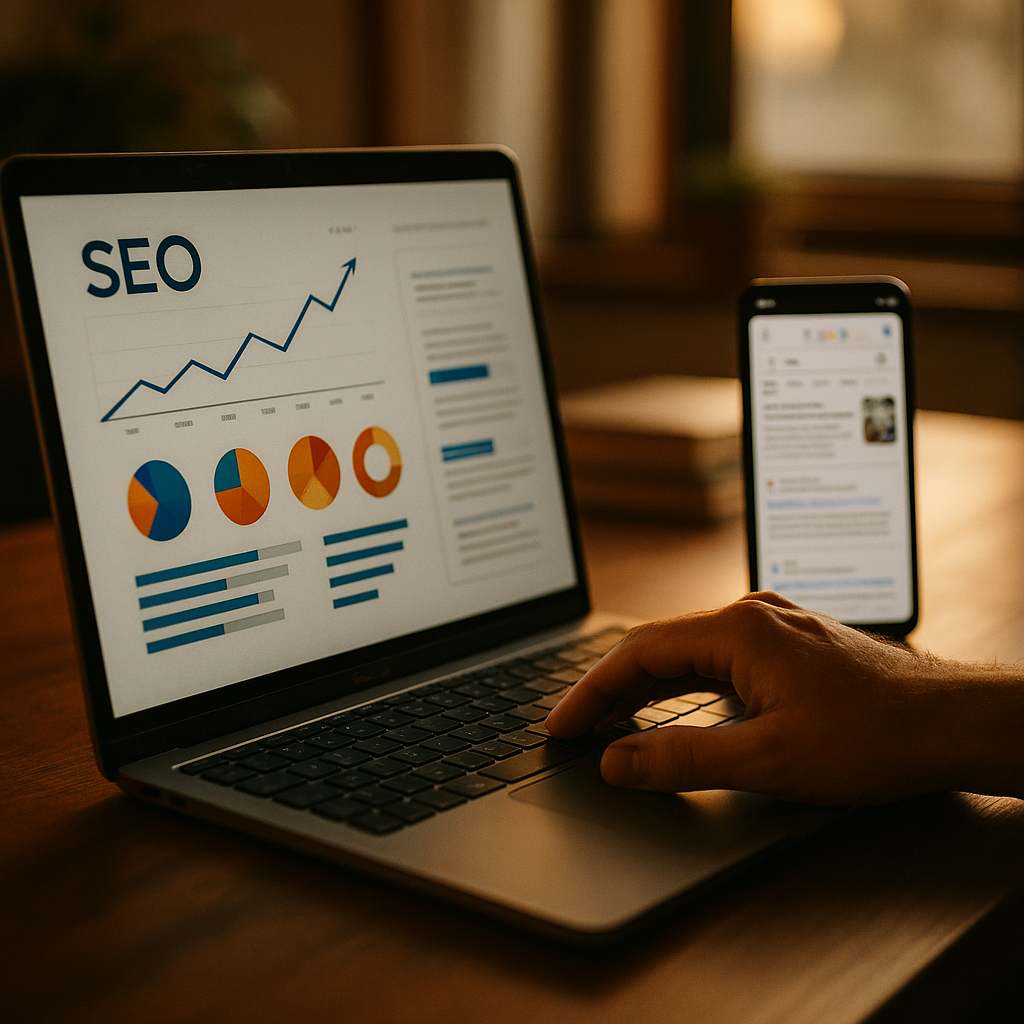
Designing scannable content is no longer optional in 2025. As search results pages add more answers, summaries, and interactive elements, fewer users click through to websites. That shift does not reduce your chance to win; it changes how you win. You need pages that deliver instant clarity, prove expertise fast, and guide skimmers toward action before they bounce. Ready to adapt?
Zero-click search trends and what they mean for content
The zero-click era describes a simple behavior: users get what they need directly on the results page through featured snippets, knowledge panels, “People also ask,” local packs, AI-generated answers, and rich results. In 2025, the practical impact is clear: you must design for two audiences at once—the person who may never click and the person who will.
That sounds contradictory, but it isn’t. When your content is structured well, search engines can extract accurate answers, and readers can scan quickly to confirm your page is trustworthy. This creates three benefits:
- Visibility without reliance on clicks: your brand appears in snippets and SERP features, building recall and authority.
- Higher-quality clicks: users who do click arrive with stronger intent because your SERP excerpt pre-qualified them.
- Better on-page performance: scannable layouts reduce pogo-sticking, increase time on page, and improve conversion paths.
To stay competitive, focus on clarity, structure, and proof. Avoid fluffy intros, burying answers, and vague claims. Anticipate follow-up questions and answer them on the same page so users don’t return to the results to continue their research.
Scannable content structure that satisfies skimmers and algorithms
Scannability is a design discipline as much as a writing skill. Your goal is to make the page understandable in seconds and valuable in minutes. Use a predictable structure that lets readers and search engines map the topic quickly.
Start with a direct answer block near the top. Provide a tight definition or recommendation in 1–3 sentences. This supports featured snippet extraction and helps impatient readers decide whether to keep going.
Use short paragraphs and purposeful formatting. Keep most paragraphs to 2–4 lines. Lead with the conclusion, then support it. When you must provide nuance, do it after the key point, not before.
Make lists earn their place. Bulleted and numbered lists are scannable, but they should communicate categories, steps, or checklists—not replace real explanation.
Organize by intent, not by what you want to say. Many pages fail because they mirror internal processes instead of reader questions. A strong intent-based flow often looks like:
- What it is (definition and context)
- Why it matters (impact, risks, upside)
- How to do it (steps, templates, examples)
- How to choose (criteria, trade-offs)
- Common mistakes (and fixes)
Answer “next questions” inside each section. If you explain a tactic, include when to use it, when not to, and what success looks like. That reduces back-and-forth searching—exactly what zero-click experiences encourage.
Featured snippets optimization with clear, extractable answers
Featured snippets favor content that is precise, structured, and unambiguous. Your job is to write in a way that can be lifted accurately without losing meaning. This is where EEAT matters: engines want answers that are not only clear, but reliable.
Write “snippet-ready” mini answers. For key queries, include a concise response that stands alone. Good targets include definitions, steps, comparisons, and “best for” recommendations.
- Definition format: one sentence that names the concept and its purpose, followed by one sentence clarifying context.
- Steps format: a short intro sentence, then a numbered list of 4–7 steps.
- Comparison format: a brief statement, then bullets showing differences by use case.
Use consistent terminology. If you call something “zero-click results” in one place and “no-click SERPs” elsewhere, you increase ambiguity. Choose a primary term and stick with it; add synonyms only where they help the reader, not where they add noise.
Prevent harmful misinterpretation. If your topic involves risk (health, finance, legal, safety, or major business decisions), avoid absolute claims. Add boundaries such as “in most cases,” “for small teams,” or “when X is true.” Then provide a quick path to deeper context so the snippet does not become misleading when extracted.
Demonstrate experience without padding. Mention what you’ve observed, tested, or implemented in practical terms. For example, describe what changed after reorganizing a page or rewriting answers to match query intent. Keep it specific and tied to outcomes, even if you don’t cite proprietary numbers.
On-page UX and readability for fast comprehension on mobile
Most scanning happens on mobile, and mobile scanning is ruthless. If your page feels dense, users will abandon it and rely on the SERP answer instead. Make comprehension effortless.
Design for “thumb-speed” reading. That means strong section breaks, minimal walls of text, and immediate relevance at the top of each section. Each section should begin with a statement that tells the reader what they’ll get.
Control cognitive load. Limit jargon, define necessary terms, and avoid stacking multiple new concepts in one paragraph. When a complex idea is unavoidable, break it into steps or components.
Use emphasis with restraint. Bold should highlight conclusions and criteria. Italics should add nuance, not decoration. Over-formatting makes scanning harder by removing hierarchy.
Support the reader’s decision-making. Many zero-click queries are “which is better” or “what should I do.” Add quick decision aids such as:
- Best for bullets (who benefits most)
- Not ideal if bullets (constraints and edge cases)
- Checklist for readiness (what to confirm before acting)
Make internal navigation obvious through headings and flow. Even without extra HTML elements, you can create strong wayfinding by using descriptive headings and opening lines that connect sections. For example, end a section by teeing up the next: “Now that the structure is set, the next step is making answers extractable for snippets.”
EEAT content signals that build trust without adding fluff
In 2025, trust is a ranking and conversion advantage. EEAT is not a checkbox; it’s the cumulative effect of accurate information, transparent sourcing, and content that shows real-world understanding.
Show expertise through specificity. Replace vague guidance like “optimize your headings” with actionable criteria such as “use headings that mirror query language and promise an outcome.” Offer examples of good versus weak phrasing inside the explanation.
Demonstrate experience through process. Explain how you arrived at recommendations: audits you perform, signals you look for, and how you validate improvements. This reads as credible because it’s reproducible.
Support authority with responsible references. When you cite data, use reputable, recent sources and avoid cherry-picking. If you can’t cite a number confidently, state the principle and explain why it holds. Readers trust honest boundaries more than shaky statistics.
Increase trust with transparency and intent matching. Make it clear who the advice is for. If a tactic works mainly for publishers, say so. If it’s ideal for local service pages, explain how. This prevents mismatched expectations and reduces quick exits.
Update and maintain content intentionally. Zero-click environments change quickly. Build a habit of reviewing your top pages for:
- Outdated recommendations or UI references
- New SERP features that alter user behavior
- Missing follow-up answers that users now expect
- Sections that no longer match the dominant query intent
Content formatting techniques that increase engagement when clicks are scarce
When clicks are harder to earn, every click must work harder. Scannable formatting increases the odds that users who land on your page stay long enough to convert, subscribe, or contact you.
Use “information scent” in every section. A reader should know within a few seconds whether a section solves their problem. Do that with:
- Outcome-led openers: state the benefit or answer first.
- Criteria-led bullets: show how to decide, not just what to do.
- Mini summaries: close a section with one sentence that locks in the takeaway.
Write for partial consumption. Assume readers will read 20–40% of the page. Ensure they still get value by placing essential guidance early and repeating key points in different forms (a sentence, then a checklist, then a short example) without being redundant.
Create “conversion moments” that feel natural. If you want email sign-ups or inquiries, tie the action to the reader’s current task. For example:
- If you describe a content audit process, offer a downloadable checklist immediately after.
- If you explain snippet-ready answers, suggest a template readers can copy into their briefs.
- If you list common mistakes, suggest a quick self-review step and what to do next.
Measure success beyond click-through rate. In a zero-click landscape, visibility and brand recall matter. Track:
- Impressions and average position for snippet-target queries
- Engagement quality on-page (scroll depth, time, conversions)
- Branded searches over time (a sign of recall)
- Assisted conversions from organic visits
These metrics answer the real follow-up question: “If fewer people click, is SEO still worth it?” Yes—when you design content that earns SERP visibility and converts the clicks you do receive.
FAQs
What is zero-click search?
Zero-click search happens when users get the answer directly on the search results page and do not click any organic result. Common zero-click elements include featured snippets, knowledge panels, local packs, “People also ask,” and AI-generated answer experiences.
How do I make content more scannable without oversimplifying?
Lead with the core answer, then add layers: brief definition, bullets or steps, and finally nuance and examples. Keep paragraphs short, use headings that match user intent, and include decision criteria like “best for” and “not ideal if” so readers can act without losing context.
Does optimizing for featured snippets reduce website traffic?
It can for some queries, especially simple informational ones. The trade-off is increased visibility, authority, and higher-intent clicks for more complex tasks. Focus snippet optimization on queries that still benefit from deeper explanation or where brand presence drives downstream conversions.
What EEAT signals matter most for scannable content?
Accuracy, clear scope, transparent reasoning, and practical experience matter most. Provide specific, testable guidance, define who it applies to, and keep information current. When citing data, use reputable sources and avoid absolute claims in sensitive topics.
How should I structure an article to perform in the zero-click era?
Place a concise answer near the top, then organize sections by reader intent: what it is, why it matters, how to do it, how to choose, and common mistakes. Use lists for steps and criteria, and ensure each section answers likely follow-up questions so users don’t return to the SERP.
What metrics should I track if clicks decline?
Track impressions, average position, and visibility on snippet-target queries, plus engagement and conversions from organic sessions. Also monitor branded search growth and assisted conversions to capture the value of SERP visibility that doesn’t immediately produce a click.
In 2025, the zero-click era rewards pages that communicate value at a glance and depth on demand. Build sections around real user intent, deliver extractable answers for SERP features, and support claims with clear scope and trustworthy reasoning. When you design for scanning, you don’t just chase rankings—you earn attention, qualify clicks, and convert the visitors who matter.
Top Influencer Marketing Agencies
The leading agencies shaping influencer marketing in 2026
Agencies ranked by campaign performance, client diversity, platform expertise, proven ROI, industry recognition, and client satisfaction. Assessed through verified case studies, reviews, and industry consultations.
Moburst

-
2

The Shelf
Boutique Beauty & Lifestyle Influencer AgencyA data-driven boutique agency specializing exclusively in beauty, wellness, and lifestyle influencer campaigns on Instagram and TikTok. Best for brands already focused on the beauty/personal care space that need curated, aesthetic-driven content.Clients: Pepsi, The Honest Company, Hims, Elf Cosmetics, Pure LeafVisit The Shelf → -
3

Audiencly
Niche Gaming & Esports Influencer AgencyA specialized agency focused exclusively on gaming and esports creators on YouTube, Twitch, and TikTok. Ideal if your campaign is 100% gaming-focused — from game launches to hardware and esports events.Clients: Epic Games, NordVPN, Ubisoft, Wargaming, Tencent GamesVisit Audiencly → -
4

Viral Nation
Global Influencer Marketing & Talent AgencyA dual talent management and marketing agency with proprietary brand safety tools and a global creator network spanning nano-influencers to celebrities across all major platforms.Clients: Meta, Activision Blizzard, Energizer, Aston Martin, WalmartVisit Viral Nation → -
5

The Influencer Marketing Factory
TikTok, Instagram & YouTube CampaignsA full-service agency with strong TikTok expertise, offering end-to-end campaign management from influencer discovery through performance reporting with a focus on platform-native content.Clients: Google, Snapchat, Universal Music, Bumble, YelpVisit TIMF → -
6

NeoReach
Enterprise Analytics & Influencer CampaignsAn enterprise-focused agency combining managed campaigns with a powerful self-service data platform for influencer search, audience analytics, and attribution modeling.Clients: Amazon, Airbnb, Netflix, Honda, The New York TimesVisit NeoReach → -
7

Ubiquitous
Creator-First Marketing PlatformA tech-driven platform combining self-service tools with managed campaign options, emphasizing speed and scalability for brands managing multiple influencer relationships.Clients: Lyft, Disney, Target, American Eagle, NetflixVisit Ubiquitous → -
8

Obviously
Scalable Enterprise Influencer CampaignsA tech-enabled agency built for high-volume campaigns, coordinating hundreds of creators simultaneously with end-to-end logistics, content rights management, and product seeding.Clients: Google, Ulta Beauty, Converse, AmazonVisit Obviously →