


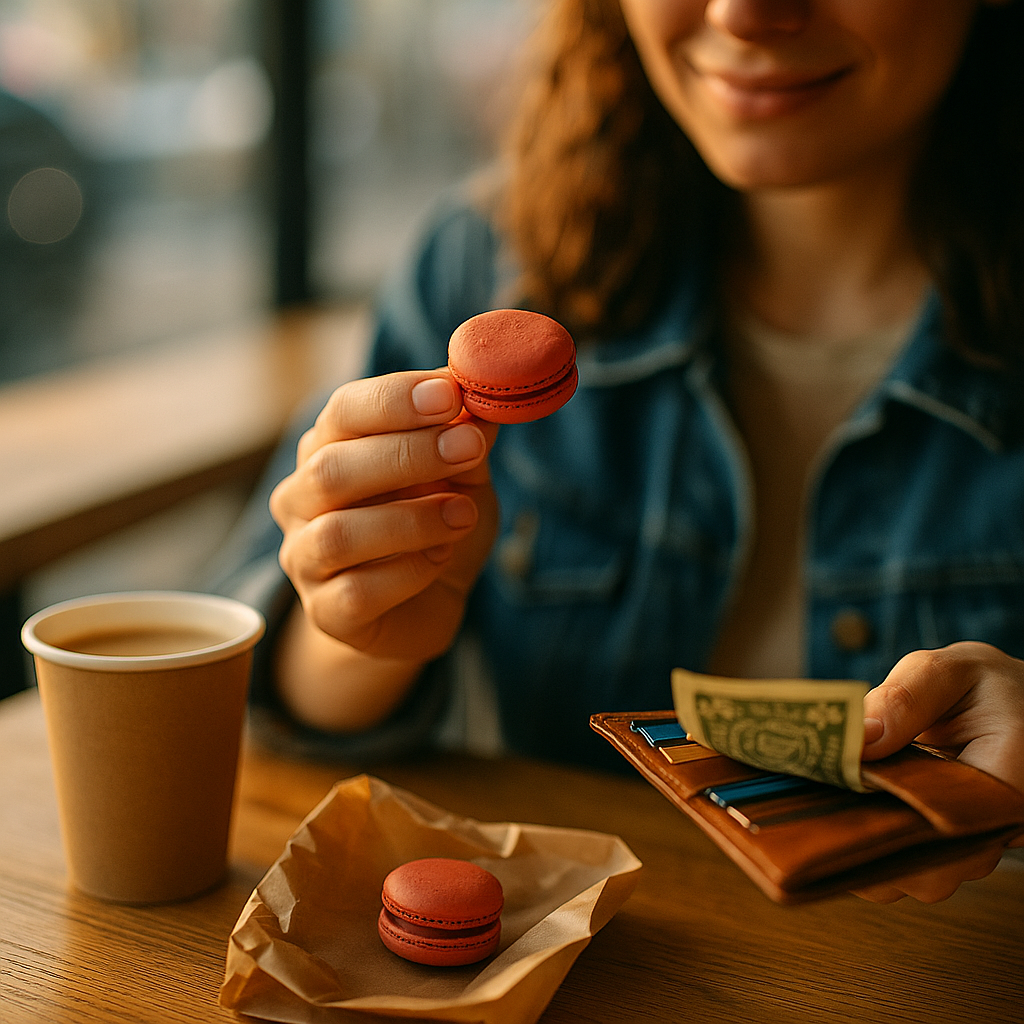
In 2025, many brands chase growth by lowering prices or expanding reach, yet the biggest volume often comes from something simpler: small, emotionally satisfying purchases. The psychology of micro indulgences explains why people repeatedly buy “just a little treat” even when they avoid major splurges. These tiny decisions compound into outsized revenue and loyalty—if you know what triggers them. So what’s really happening in the mind?
Micro indulgences psychology: what they are and why they feel “safe”
Micro indulgences are low-cost, low-commitment purchases that deliver a quick hit of pleasure or relief: a specialty coffee add-on, a travel-size skincare product, a game cosmetic, a premium snack at checkout. They feel “safe” because the perceived downside is limited. The consumer can tell themselves, “It’s only a few dollars,” which reduces internal resistance and shortens the decision cycle.
From a behavioral perspective, micro indulgences sit in a sweet spot between necessity and luxury. They’re discretionary, but not heavy enough to trigger serious budget scrutiny. This matters because many purchasing decisions aren’t made through detailed cost-benefit analysis. Instead, people use mental shortcuts to manage time, uncertainty, and cognitive load.
Why they feel safe:
- Low perceived risk: the potential regret is small, so the brain grants quicker permission.
- High emotional return per dollar: a modest spend can still produce a meaningful mood shift.
- Easy justification: consumers can frame it as self-care, productivity fuel, or a “reward.”
- Minimal opportunity cost: it doesn’t obviously displace a bigger goal the way a major purchase does.
If you’re marketing or building products, this “safe luxury” positioning is the first lever: customers must instantly understand the benefit and instantly believe the downside is limited. That’s the groundwork for volume.
Impulse buying triggers: the brain’s reward loop and “just because” spending
Micro indulgences thrive on fast reward loops. The brain responds strongly to immediate, certain rewards—especially when they’re paired with novelty, sensory cues, or social affirmation. A small buy can deliver a rapid shift in emotion: comfort, excitement, relief from boredom, or a sense of identity. That emotional shift is the true “product” being purchased.
Several impulse buying triggers commonly drive micro indulgence volume:
- Frictionless access: saved cards, one-tap checkout, and “buy again” buttons reduce time for second thoughts.
- Salience and timing: checkout displays, push notifications, and “limited stock” banners focus attention at the decision moment.
- Novelty: rotating flavors, seasonal drops, and new bundles spark curiosity without demanding a big commitment.
- Social proof: “best seller” labels and reviews shorten evaluation time.
- Emotional states: stress, fatigue, and boredom increase preference for quick comfort and certainty.
A helpful way to think about this is that micro indulgences are often emotion-led purchases that use logic as a receipt. The customer feels a desire (treat, relief, reward), then later justifies it (“It’s small,” “I worked hard,” “I deserve it”). Your job is not to manipulate that process, but to serve it ethically: make the value real, the price clear, and the experience reliably positive.
To answer the follow-up question many leaders ask—“Isn’t this just impulse buying?”—the difference is the customer’s outcome. Healthy micro indulgences leave the customer satisfied, not regretful. That means honest claims, consistent quality, and guardrails that prevent accidental overspending.
Consumer behavior and small purchases: mental accounting, guilt buffering, and “treat budgets”
People don’t treat all money the same. In consumer behavior research and everyday life, shoppers allocate funds into informal categories: bills, savings, essentials, fun, gifts. This is often described as mental accounting. Micro indulgences benefit because they commonly fall into a “fun” or “treat” bucket with looser rules and fewer comparisons.
Many consumers also create emotional “budgets.” After doing something difficult, responsible, or stressful, they feel entitled to a small reward. This is not irrational; it’s a self-regulation strategy. The purchase acts like a quick way to restore balance.
Key dynamics that increase frequency:
- Guilt buffering: “It’s not that expensive” reduces moral tension about spending.
- Progress rewards: small treats mark milestones (“finished the report,” “made it to the gym”).
- Controlled indulgence: a small premium item can replace a larger splurge, supporting the customer’s self-image as disciplined.
- Preference for predictable pleasure: customers repeatedly return to what they know will work.
For brands, this means micro indulgences aren’t only about discovery; they’re about becoming a repeatable ritual. If your product can anchor to a daily routine (morning coffee, commute, post-work reset), you’re not fighting for attention each time. You’re becoming part of the customer’s script.
Practical takeaway: speak to the moment of use, not just the feature list. “A five-minute reset” sells the psychological outcome better than “new flavor profile.”
Low-ticket pricing strategy: why small buys scale through frequency, not margin alone
Small buys drive volume because they are easier to say yes to, and they happen more often. That sounds obvious, but many businesses mismanage low-ticket pricing strategy by optimizing for margin per transaction while ignoring how micro indulgences scale: through frequency, habit, and distribution.
A strong low-ticket strategy typically focuses on four areas:
- Clear value signal: the customer should immediately understand what they get and why it’s worth it.
- Minimal purchase anxiety: transparent pricing, easy returns where relevant, and no hidden fees.
- Smart bundling: “2 for” or add-on bundles increase average order value without breaking the “small treat” feeling.
- Reliable replenishment: if it’s consumable, make repurchase effortless (subscriptions, reminders, reorder flows).
To avoid the common follow-up concern—“Won’t low-ticket items cheapen the brand?”—anchor the indulgence in quality and experience. Premium can be expressed through consistency, packaging, design, customer support, and small moments of delight. A micro indulgence is not “cheap”; it’s accessible.
Where teams often go wrong:
- Over-discounting: training customers to wait for deals undermines the “anytime treat” role.
- Too many choices: decision fatigue reduces conversion on low-stakes items because shoppers don’t want to think.
- Weak post-purchase experience: if the product disappoints, there’s no repeat loop, and volume collapses.
If you want to scale volume ethically, align pricing with a consistent, repeatable benefit. The customer should feel they made a good decision quickly—and still feel good about it later.
Habit formation marketing: turning micro indulgences into rituals without eroding trust
Micro indulgences become powerful when they shift from occasional treats to predictable rituals. Habit formation marketing isn’t about pushing people to buy mindlessly; it’s about helping customers build a routine that genuinely improves their day. The difference shows up in retention and brand sentiment.
Habits tend to follow a simple pattern: cue, routine, reward. Micro indulgences plug into this naturally.
- Cue: time of day, location, emotion, or a task completion moment.
- Routine: buying and consuming/using the product.
- Reward: comfort, energy, confidence, status, or relief.
How to build repeatable rituals:
- Design for the “trigger moment”: place the product where the cue happens (checkout, commute, app home screen).
- Reduce repeat friction: saved preferences, reorders, subscriptions with clear controls, and delivery predictability.
- Reinforce identity: messaging that aligns with who the customer wants to be (“prepared,” “creative,” “calm”).
- Use gentle reminders: notifications that respect timing, frequency caps, and easy opt-outs protect trust.
EEAT note for 2025: customers increasingly evaluate whether brands are responsible with persuasive design. If you use scarcity, ensure it is truthful. If you offer subscriptions, make cancellation straightforward. If you promote “wellness” outcomes, avoid exaggerated claims and provide clear ingredients, sourcing, or evidence where applicable. Trust is a growth strategy, not a compliance task.
Answering another likely question—“How do we know we’re not creating buyer’s remorse?”—watch leading signals: repeat purchase rates alongside refund rates, negative reviews mentioning regret, and customer support tickets about unexpected charges. Volume that damages sentiment isn’t durable volume.
Retail volume growth: how brands can win with micro indulgences across channels
Micro indulgences scale best when they’re easy to discover, easy to try, and easy to repeat. Retail volume growth comes from aligning product design, merchandising, and channel tactics around those three jobs.
In physical retail:
- Checkout and queue strategy: place small indulgences where dwell time is high and decisions are quick.
- Trial-friendly sizing: minis, single-serve, or starter formats reduce risk.
- Cross-merchandising: pair micro indulgences with complementary “need” items to piggyback on planned purchases.
- Consistency: if a customer can’t reliably find it, the habit can’t form.
In e-commerce and apps:
- Add-ons at the right moment: offer one or two relevant upgrades, not a wall of options.
- Personalized repeat prompts: reorder nudges based on realistic consumption timing, not aggressive frequency.
- Fast proof: concise reviews, clear photos, and simple benefit statements help low-stakes decisions.
In subscriptions and memberships:
- Customer control: easy skip, pause, and swap features reduce churn and build confidence.
- Variety without chaos: curated rotation keeps novelty high while maintaining decision simplicity.
Because micro indulgences are sensitive to mood and context, measurement should go beyond conversion rate. Track when purchases happen, which cues precede them (time, device, location, event), and which messages correlate with repeat behavior. Then use that insight to serve customers better, not just to increase pressure.
FAQs
What is a micro indulgence?
A micro indulgence is a small discretionary purchase that delivers a quick emotional benefit—comfort, excitement, relief, or confidence—without the commitment or guilt of a large splurge.
Why do small purchases drive higher sales volume than big-ticket items?
Small purchases face lower psychological resistance and require less deliberation, so more people say yes more often. Frequency and habit can outperform high margins when repeat rates are strong and access is convenient.
Are micro indulgences the same as impulse buys?
They can overlap, but they are not identical. Micro indulgences can be planned (“my Friday treat”) or unplanned. The key difference is whether the customer consistently feels satisfied afterward, which supports repeat buying.
How can a brand encourage micro indulgences without harming trust?
Use truthful scarcity, transparent pricing, straightforward subscription controls, and honest product claims. Optimize convenience and experience rather than relying on pressure tactics.
What pricing works best for micro indulgences?
Pricing should feel like a “safe yes”: clear value, minimal hidden costs, and options like small bundles or add-ons that raise order value while preserving the low-commitment feel.
What metrics indicate micro indulgence success?
Look at repeat purchase rate, time-to-reorder, attach rate (for add-ons), refund rate, review sentiment (especially regret language), and cohort retention. Sustainable volume shows strong repeats without rising complaints.
Micro indulgences win in 2025 because they match how people actually make everyday decisions: fast, emotion-driven, and shaped by routines. When brands offer a small, reliable boost—without hidden costs or exaggerated promises—customers come back often and tell others. Build for low risk, high satisfaction, and easy repeat purchase. Do that consistently, and small buys won’t stay small—they’ll drive durable volume.
Top Influencer Marketing Agencies
The leading agencies shaping influencer marketing in 2026
Agencies ranked by campaign performance, client diversity, platform expertise, proven ROI, industry recognition, and client satisfaction. Assessed through verified case studies, reviews, and industry consultations.
Moburst

-
2

The Shelf
Boutique Beauty & Lifestyle Influencer AgencyA data-driven boutique agency specializing exclusively in beauty, wellness, and lifestyle influencer campaigns on Instagram and TikTok. Best for brands already focused on the beauty/personal care space that need curated, aesthetic-driven content.Clients: Pepsi, The Honest Company, Hims, Elf Cosmetics, Pure LeafVisit The Shelf → -
3

Audiencly
Niche Gaming & Esports Influencer AgencyA specialized agency focused exclusively on gaming and esports creators on YouTube, Twitch, and TikTok. Ideal if your campaign is 100% gaming-focused — from game launches to hardware and esports events.Clients: Epic Games, NordVPN, Ubisoft, Wargaming, Tencent GamesVisit Audiencly → -
4

Viral Nation
Global Influencer Marketing & Talent AgencyA dual talent management and marketing agency with proprietary brand safety tools and a global creator network spanning nano-influencers to celebrities across all major platforms.Clients: Meta, Activision Blizzard, Energizer, Aston Martin, WalmartVisit Viral Nation → -
5

The Influencer Marketing Factory
TikTok, Instagram & YouTube CampaignsA full-service agency with strong TikTok expertise, offering end-to-end campaign management from influencer discovery through performance reporting with a focus on platform-native content.Clients: Google, Snapchat, Universal Music, Bumble, YelpVisit TIMF → -
6

NeoReach
Enterprise Analytics & Influencer CampaignsAn enterprise-focused agency combining managed campaigns with a powerful self-service data platform for influencer search, audience analytics, and attribution modeling.Clients: Amazon, Airbnb, Netflix, Honda, The New York TimesVisit NeoReach → -
7

Ubiquitous
Creator-First Marketing PlatformA tech-driven platform combining self-service tools with managed campaign options, emphasizing speed and scalability for brands managing multiple influencer relationships.Clients: Lyft, Disney, Target, American Eagle, NetflixVisit Ubiquitous → -
8

Obviously
Scalable Enterprise Influencer CampaignsA tech-enabled agency built for high-volume campaigns, coordinating hundreds of creators simultaneously with end-to-end logistics, content rights management, and product seeding.Clients: Google, Ulta Beauty, Converse, AmazonVisit Obviously →