


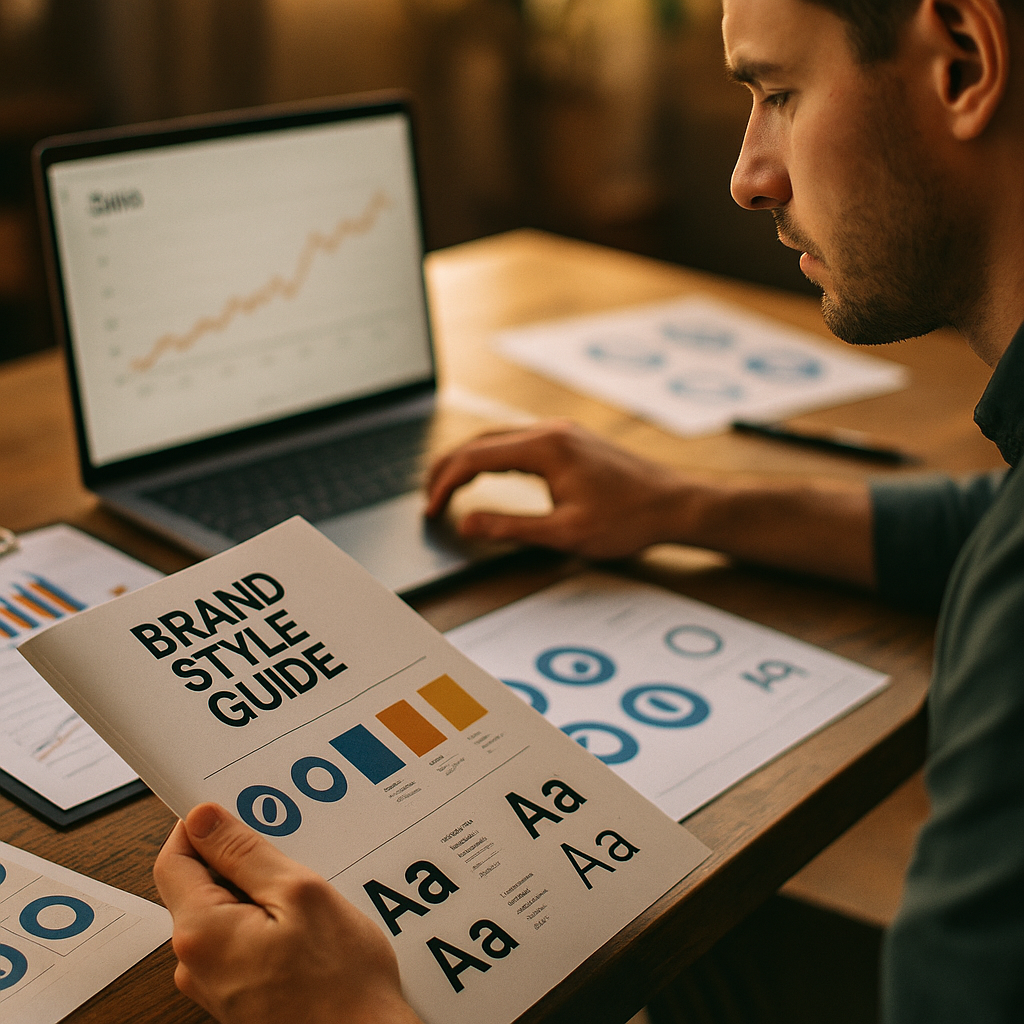
A brand style guide for your sales team is the foundation for consistency, credibility, and strong client relationships. When tailored for sales professionals, this guide streamlines messaging and visuals, empowering your team to represent your brand with confidence and clarity. Want to ensure your sales team communicates your brand with impact? Keep reading to find out how.
Why Your Sales Team Needs a Brand Style Guide
Sales professionals are on the front lines, influencing how prospects perceive your company. Without a clear brand style guide, even the most talented salespeople risk using off-brand messaging or visuals. According to a 2025 HubSpot report, companies with consistent brand presentation increased revenue by up to 23%. For your sales department, this means:
- Increased trust: Consistent communication reassures prospects and sets you apart from competitors.
- Efficiency: Ready-to-use templates and guidelines save time and reduce miscommunication.
- Professionalism: Cohesive visual and verbal cues enhance your credibility.
- Brand advocacy: Empowered sales reps become ambassadors for your brand.
Giving your sales team a structured, easy-to-use brand style guide is an investment in long-term growth and customer loyalty.
Essential Elements of a Sales-Focused Brand Style Guide
While a standard brand style guide covers logos and color palettes, a guide tailored for your sales team addresses everyday communication scenarios. For maximum impact and usability, include these critical components:
- Core brand values and mission: Ensure every sales conversation echoes your brand’s heart and purpose.
- Tone of voice guidelines: Specify how to sound approachable, professional, or bold, including real examples for emails and presentations.
- Approved messaging: Offer go-to statements, elevator pitches, and responses for common objections, all backed by recent customer insights.
- Visual identity rules: Define correct logo usage, color codes, approved fonts, and imagery so every sales deck and follow-up email look on-brand.
- Template library: Supply ready-to-use templates for proposals, one-pagers, and emails, updated for 2025 market expectations and design trends.
- Common dos and don’ts: Use clear checklists to reinforce key guidelines and highlight frequent missteps.
This approach ensures your style guide is practical and action-oriented—making it easy for sales professionals to reference and adopt.
How to Collaborate with Your Sales Team During Development
To create a brand style guide your sales team will actually use, involve them in the process from the beginning. Here’s how to collaborate for a seamless rollout:
- Interviews and surveys: Gather candid feedback on current challenges with brand presentation, prospect communications, and pain points.
- Workshops: Host interactive sessions to align on tone, messaging, and presentation formats. Let salespeople role-play client interactions using draft guidelines.
- Feedback loops: Share early versions of the guide for review and encourage constructive input to further tailor it for real-world use.
- Sales leadership buy-in: Partner with sales managers to champion the guide’s adoption and update it based on changing market and customer needs.
This iterative, inclusive approach not only builds a more relevant guide but also ensures your sales team feels ownership and commitment to staying on-brand.
Implementing and Training Your Sales Team on the Style Guide
Even the best brand style guide falls flat without a solid implementation and training strategy. Make adoption as seamless as possible by following these steps:
- Interactive training sessions: Schedule engaging, scenario-based workshops and digital modules where salespeople practice applying guidelines to real-life situations.
- Accessible digital hub: Host your guide and all templates in a searchable, user-friendly platform integrated with your CRM or sales platforms.
- Ongoing support and updates: Assign a point person or brand ambassador who can answer questions, collect feedback, and distribute updates as your brand evolves or product offerings change.
- Performance tracking: Use surveys, spot checks, and analytics to assess how well new materials and messaging are being used and where further support is needed.
Regular check-ins and open feedback channels will keep your sales team aligned and motivated to represent your brand with excellence.
Measuring the Impact of Your Sales Brand Style Guide
After launching your brand style guide, track key metrics to prove its value and identify areas for improvement. Consider measuring:
- Brand consistency scores: Audit a sample of sales emails, presentations, and calls for compliance with guidelines.
- Sales cycle length: Monitor for reductions, as consistent messaging often shortens the path from introduction to close.
- Win rates and conversion rates: Compare pre- and post-implementation data to quantify improvements in deal closure and response rates.
- Sales team satisfaction: Conduct periodic surveys to learn if reps feel more confident and equipped in their outreach.
Continuous measurement and feedback loops allow you to refine your style guide, keeping it relevant and valuable for your evolving sales organization.
FAQs: Creating a Brand Style Guide for Your Sales Team
-
What is a brand style guide for sales teams?
It’s a set of actionable guidelines, templates, and examples tailored specifically to help sales professionals represent your brand consistently in their daily communication and materials.
-
How often should you update your sales team’s brand style guide?
Review and update the guide biannually or whenever your company refreshes its branding, adds new products, or shifts communication strategy in response to market changes.
-
What’s the difference between a standard brand guide and one for sales teams?
A standard guide focuses on overall branding elements (visuals, tone), whereas a sales team guide emphasizes practical application: sales scripts, objection handling, and scenario-based templates.
-
How can I ensure sales reps use the brand style guide regularly?
Make the guide accessible, provide engaging training, reinforce with leadership support, and integrate templates directly into your sales platforms for daily use.
-
Can small businesses benefit from a sales team style guide?
Absolutely. Even a simple, well-structured guide improves professionalism and consistency—boosting trust and success as your team grows.
A well-crafted brand style guide for your sales team nurtures consistency, confidence, and lasting customer relationships. Invest in thoughtful development, active collaboration, and ongoing measurement, and you’ll empower your sales professionals to become your brand’s best ambassadors—driving more deals and elevating your reputation in the market.