


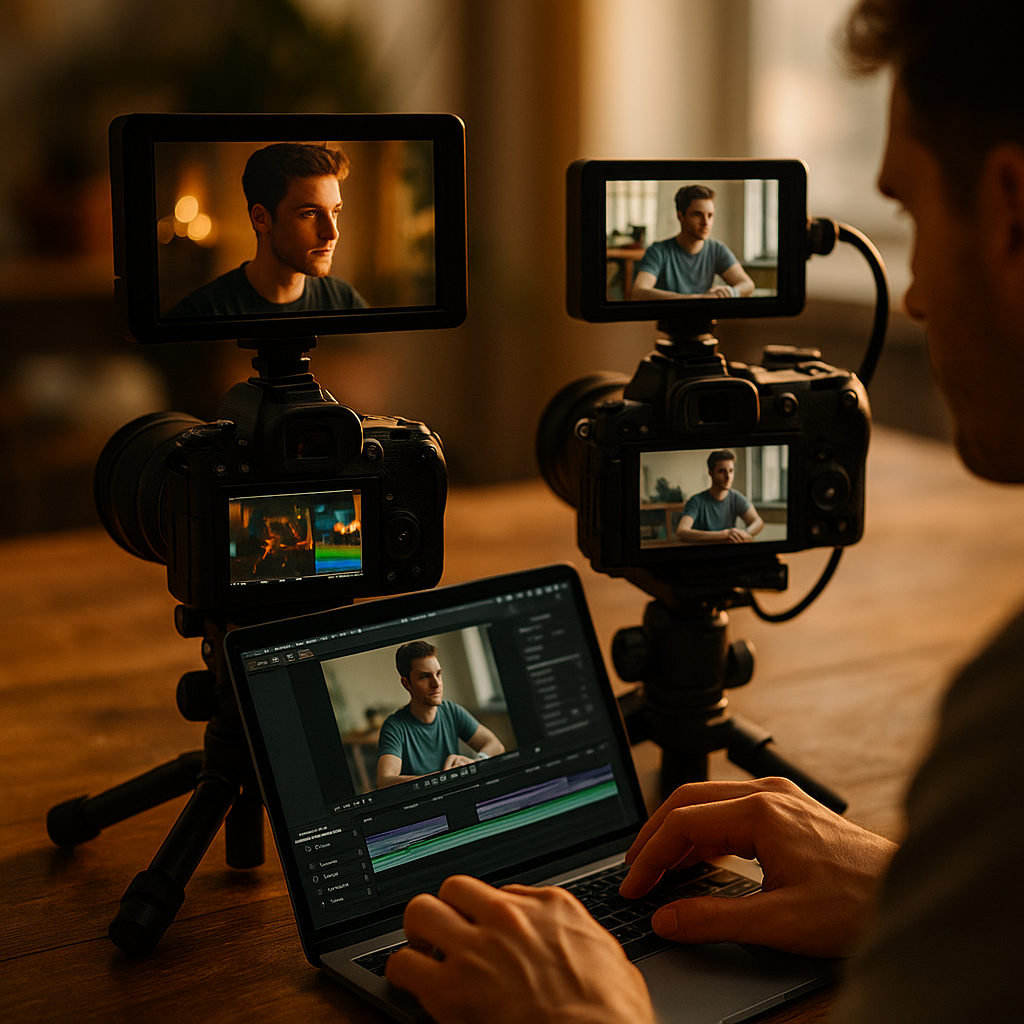
When deciding between cinematic versus raw video styles, marketers want to know which approach converts better. Both have loyal advocates and distinct strengths, but today’s buyers are more discerning than ever. Understanding each style’s impact on viewer engagement and conversion rates will help you create video content that delivers real results. Which style suits your goals best? Let’s dive in.
Cinematic Video Style: Creating High-Impact Visual Experiences
The cinematic video style is all about polished visuals inspired by film production: dynamic camera movement, color grading, shallow depth of field, and carefully composed shots. Attention to lighting and sound elevates the experience, often turning advertisements, brand stories, or explainer videos into mini-movies.
Brands leveraging this approach rely on professionalism and sophistication. According to Think with Google, 71% of consumers see brands more favorably after experiencing high-quality video content. Cinematic video asserts brand authority, fosters trust, and helps premium products shine. Users are engaged through story-driven content that can align seamlessly with a company’s values and visual identity.
- Pros: Establishes credibility, maximizes retention, ideal for storytelling and aspirational messaging.
- Cons: Higher production costs, longer timelines, possibly intimidating to budget-focused brands.
Cinematic video can significantly increase the perceived value of a product or service, which is crucial for premium pricing strategies.
Raw Video Style: Authenticity That Resonates with Viewers
Raw video is characterized by minimal editing, candid camera work, natural lighting, and unfiltered sound. Common across social media, testimonials, behind-the-scenes content, and product demos, this style prioritizes authenticity over polish. In 2025, viewers are savvy—they crave transparency and genuine connections.
Platforms like TikTok and Instagram Stories have fueled the raw content movement. A survey by HubSpot in early 2025 found that 68% of Gen Z and Millennial customers trust brands more after watching unscripted, “real life” videos. For startups and small businesses, raw video lowers barriers by reducing production complexity and cost.
- Pros: Builds trust rapidly, low-cost, aligns with social media algorithms favoring live or in-the-moment content.
- Cons: Risk of lower production value affecting brand perception, less effective for detailed storytelling.
When your goal is honest connection and nimble content creation, the raw approach fits—especially in verticals where peer validation and “day in the life” glimpses matter most.
Conversion Rate Performance: Cinematic vs. Raw Video Style
The true question: which style drives better conversions? The answer often depends on your audience and objectives, but multiple recent studies reveal a nuanced picture.
According to Wyzowl’s 2025 State of Video Marketing report:
- Cinematic videos outperform raw videos by 17% for high-value purchases (over $1,000), likely due to the trust and perceived quality they convey.
- Raw videos convert 21% better for first-touch interactions or lower-priced ecommerce offers, as authenticity leads to higher click-through rates.
This suggests that cinematic video is optimal for nurturing leads, brand prestige, and launching flagship products, while raw video excels in awareness campaigns, onboarding users, and driving social engagement. Consider a hybrid approach: cinematic videos on your homepage and landing pages, with raw videos for retargeting ads and organic outreach. Testing both styles against your conversion metrics is essential to refine your strategy.
User Engagement and Retention: Which Style Holds Attention?
As digital attention spans shrink, engaging users and reducing drop-off is critical. Cinematic videos, thanks to their storytelling techniques and production values, typically boast higher average watch times—especially for product launches or “about us” stories. These keep audiences immersed, leading to increased brand recall.
However, raw videos excel in comments, shares, and interaction rates on social platforms. Raw content prompts viewers to respond, tag friends, and join discussions. The informal nature of raw video can dramatically boost post engagement and organic reach.
Best practice in 2025: Use cinematic video to anchor key brand moments and web assets, but deploy raw content for running ads, Q&A, and user-generated campaigns. Both styles can be strategically combined within the same funnel.
Choosing the Right Video Style for Your Brand Goals in 2025
Selecting between cinematic versus raw video content should always start with your campaign’s purpose, audience demographics, and platform strategy.
- Know your audience: Premium buyers expect polish; younger demographics crave transparency.
- Define your objective: Product launches and big-ticket items deserve cinematic flair; engagement-driven and quick-turn content benefits from a raw approach.
- Consider the platform: YouTube and main site pages perform well with cinematic videos; Instagram, TikTok, and email marketing thrive on raw content.
- Budget and scalability: Cinematic video demands more resources, while raw video allows you to publish rapidly and consistently.
The best brands in 2025 blend both styles by mapping content to the customer journey—from awareness to decision—maximizing conversions at every step.
Best Practices and Testing for Higher Conversion Rates
EEAT (Experience, Expertise, Authoritativeness, Trustworthiness) guidelines stress the importance of continuous optimization. Relying solely on one video style may limit your reach. Here are actionable steps to ensure you’re maximizing conversions:
- Test constantly: Run A/B split tests using both cinematic and raw video for the same offer or landing page. Measure watch time, clicks, and final conversions.
- Personalize message: Adapt your tone and visual style according to buyer intent and channel.
- Leverage EEAT: Regardless of style, ensure content is fact-checked, clear, and showcases real expertise—whether via slick visuals or authentic, on-camera testimonials.
- Iterate content: Successful brands in 2025 rapidly iterate based on performance metrics, not creative bias.
Consistent review and adaptation ensure your video marketing not only stays relevant but continually improves in conversion metrics.
Frequently Asked Questions: Cinematic vs. Raw Video
-
Which video style works best for small businesses?
Raw video is easier and more budget-friendly for small businesses. It opens doors to authentic interactions, quick production, and strong engagement—especially useful on social media channels.
-
Does cinematic video always convert better?
No. Cinematic video excels for high-value purchases and building brand authority, but raw video often outperforms it for entry-level offers and initial engagement, as it feels more relatable.
-
Can I mix both styles in my marketing?
Absolutely. The most effective brands tailor the video style to each stage of the buyer’s journey, using cinematic for branding and raw for conversation and follow-up.
-
What’s the impact of video style on SEO in 2025?
Both cinematic and raw videos improve SEO, as Google prioritizes engaging, original content. The key is user value and engagement, not just production quality.
In summary, both cinematic and raw video styles can convert well when thoughtfully matched to your audience and objectives. Blend the strengths of both to maximize conversions and adapt quickly. Track your results, iterate, and your business will harness the power of video marketing in 2025.