


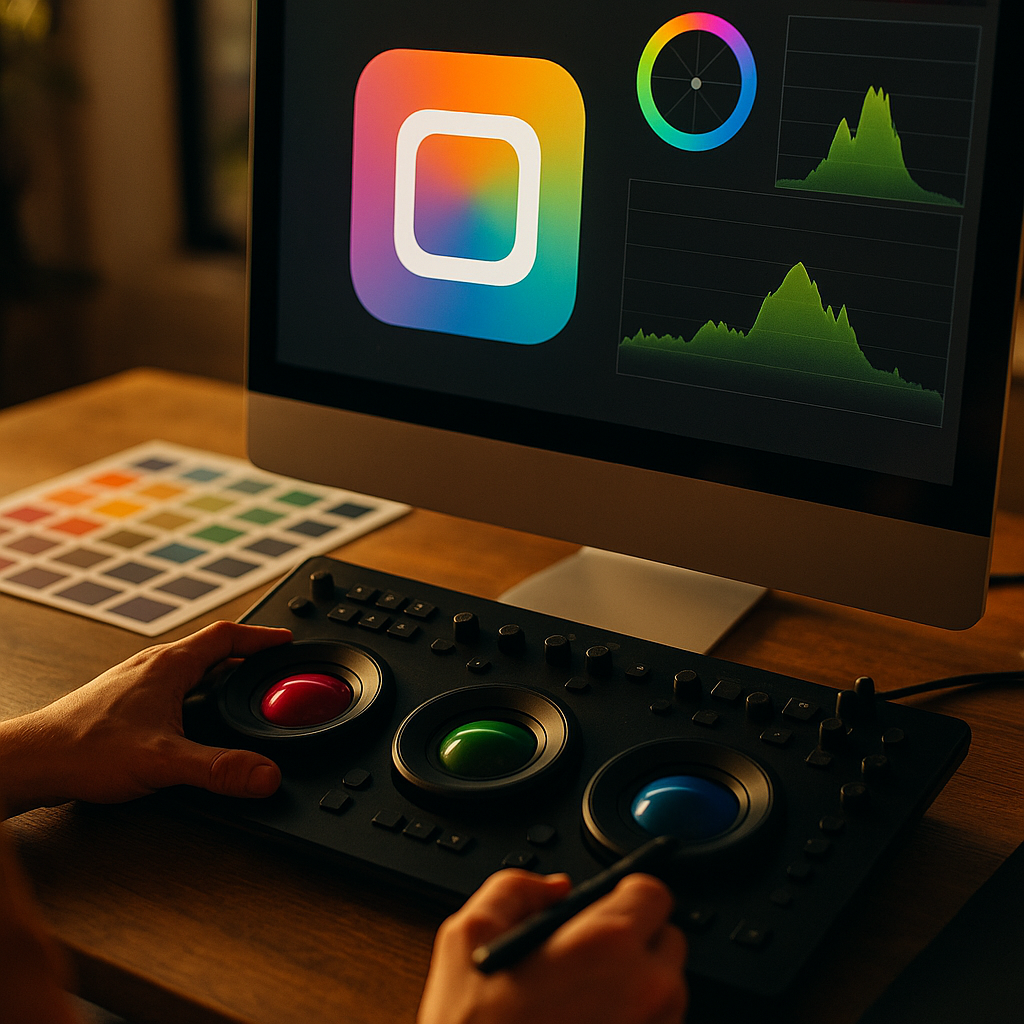
Color grading techniques that define a brand aesthetic are crucial for businesses aiming to stand out visually in a crowded digital landscape. As visuals dominate online engagement, color grading isn’t just about looks—it builds recognition, loyalty, and emotional connections. Let’s explore how top-notch color grading can serve as a signature for your brand and set you apart from the competition.
Understanding Color Theory for Brand Identity
Color theory forms the cornerstone of any effective color grading strategy for brands. Different colors evoke distinctive psychological responses; blue often communicates trust and calmness, red reflects energy and passion, and yellow invokes optimism. For brands, leveraging these nuances isn’t arbitrary—each hue is carefully selected to communicate brand values and behaviors.
According to a 2025 study by the Color Marketing Group, 85% of consumers report that color is their primary reason for either purchasing a product or ignoring it. Companies like Coca-Cola (red for excitement) and Spotify (green for vitality and energy) thrive due to deliberate color choices. To capitalize on this, brands should:
- Define a color palette: Narrow down colors to represent the brand’s personality and message.
- Stay consistent across platforms: Ensure that all digital and print materials follow your palette.
- Understand color relationships: Use harmonies (like complementary or analogous colors) for visual balance and impact.
Developing a Signature Look Through LUTs in Brand Videos
A consistent visual style in video branding often relies on Look-Up Tables, or LUTs. LUTs are mathematical formulas that remap colors within footage to create distinctive looks. They can simulate popular film stocks, enforce branded color schemes, or ensure different cameras achieve a unified appearance.
Leading brands, from Apple to Netflix, use custom LUTs to maintain a signature tone and feel. Here’s why you should consider creating or refining your own:
- Instant consistency: LUTs guarantee every frame looks true to your brand regardless of lighting or camera.
- Efficiency: Colorists and editors can apply looks quickly across entire campaigns.
- Memory encoding: Repeated visual cues help viewers associate certain vibes or emotions with your brand over time.
Using Color Grading to Elicit Emotional Responses
Emotion is a potent branding tool, and color grading is its visual language. Achieving an emotional connection means looking beyond simple palettes; it involves saturation, contrast, and brightness. In 2025, brands leverage subtle grading to direct viewer mood and response without overtly “telling” audiences what to feel.
For example, fashion brands often push cooler tones and high contrast for sophistication, while children’s brands boost saturation for playfulness. Consider these best practices:
- Adjust warmth/coolness: Fine-tune color temperature for seasonal or situational relevance.
- Control saturation: Vibrant colors demand attention; muted ones soothe and calm.
- Balance highlights and shadows: Creative tonal adjustments can make your visuals pop or feel intimate.
Test emotional resonance with focus groups or social listening analytics before major campaign rollouts.
Integrating Color Grading in Brand Photography and Graphics
Successful brands don’t just color grade videos; they extend it to photography, website graphics, packaging, and advertisements. Consistency yields credibility and memorability. Whether you’re shooting lifestyle photography or designing infographics, your color grading process must reinforce your brand’s visual DNA.
To ensure seamless integration:
- Match photographic tones to video LUTs: This harmonizes imagery across user experiences.
- Develop graphic templates: Pre-approved color overlays and gradients embed branding effortlessly into every asset.
- Review assets regularly: Audit media to avoid off-brand shifts over time.
Brands like Airbnb are exemplary, blending soft pastels and minimal grading across all touchpoints for a world-recognized identity.
Adapting Color Grading for Multi-Platform Consistency
With branded visuals appearing everywhere—from Instagram reels to billboard ads—consistent color grading is challenging but essential. Device screens display colors differently, print output can skew tones, and social algorithms may compress or alter hues.
To achieve uniformity:
- Use color-managed workflows: Work in sRGB or AdobeRGB color spaces, and calibrate monitors regularly.
- Export with platform specs in mind: Each platform (Facebook, TikTok, print) may require unique color profiles.
- Test across devices: Preview content on multiple screens before publishing.
Investing in a color management strategy early pays dividends, ensuring branded content inspires trust and looks premium wherever it appears.
Color Grading Tools and Best Practices for Brands
Empowering your team with the right color grading tools is key to efficiently shaping your brand’s aesthetic. Industry leaders often use DaVinci Resolve, Adobe Premiere Pro, or Capture One, each offering advanced grading options and LUT support tailored to branding workflows.
Best practices recommended by digital creative agencies in 2025 include:
- Create a brand style guide: Specify hex codes, LUT files, and mood boards for quick reference.
- Train your team: Invest in upskilling staff or collaborating with certified colorists for professional finish.
- Embrace AI assistance: Leverage AI plugins for automated matching and faster corrections—keep human oversight for signature styles.
Adopting these strategies reduces revision cycles, improves asset quality, and strengthens brand recall across all channels.
Conclusion
Mastering color grading techniques that define a brand aesthetic transforms your visuals from ordinary to unforgettable. By understanding color theory, developing strong LUTs, and maintaining consistency, you’ll craft an identity your audience recognizes in any context. Invest thoughtfully in processes, tools, and training to ensure your brand’s colors always speak with confidence and coherence.
FAQs
-
What is color grading in branding?
Color grading in branding refers to the deliberate adjustment of colors in all brand visuals to communicate mood, identity, and emotional resonance, ensuring consistency across platforms and media. -
How do LUTs help brands maintain aesthetic consistency?
LUTs (Look-Up Tables) apply preset color profiles across images or videos, allowing brands to achieve uniform color grading quickly and accurately on all visual assets. -
Which color grading tool should my team use?
Popular options in 2025 are DaVinci Resolve, Adobe Premiere Pro, Capture One, and AI-assisted plugins within these suites. The best choice depends on your workflow, asset types, and budget. -
Why is color consistency important across platforms?
Consistent color grading builds brand recognition, trust, and professional credibility, assuring audiences that your brand is reliable and cares about quality. -
Can color grading impact sales or engagement?
Absolutely. Well-executed color grading enhances emotional engagement and recall, directly influencing consumer decisions and increasing the likelihood of conversions and loyal followings.