


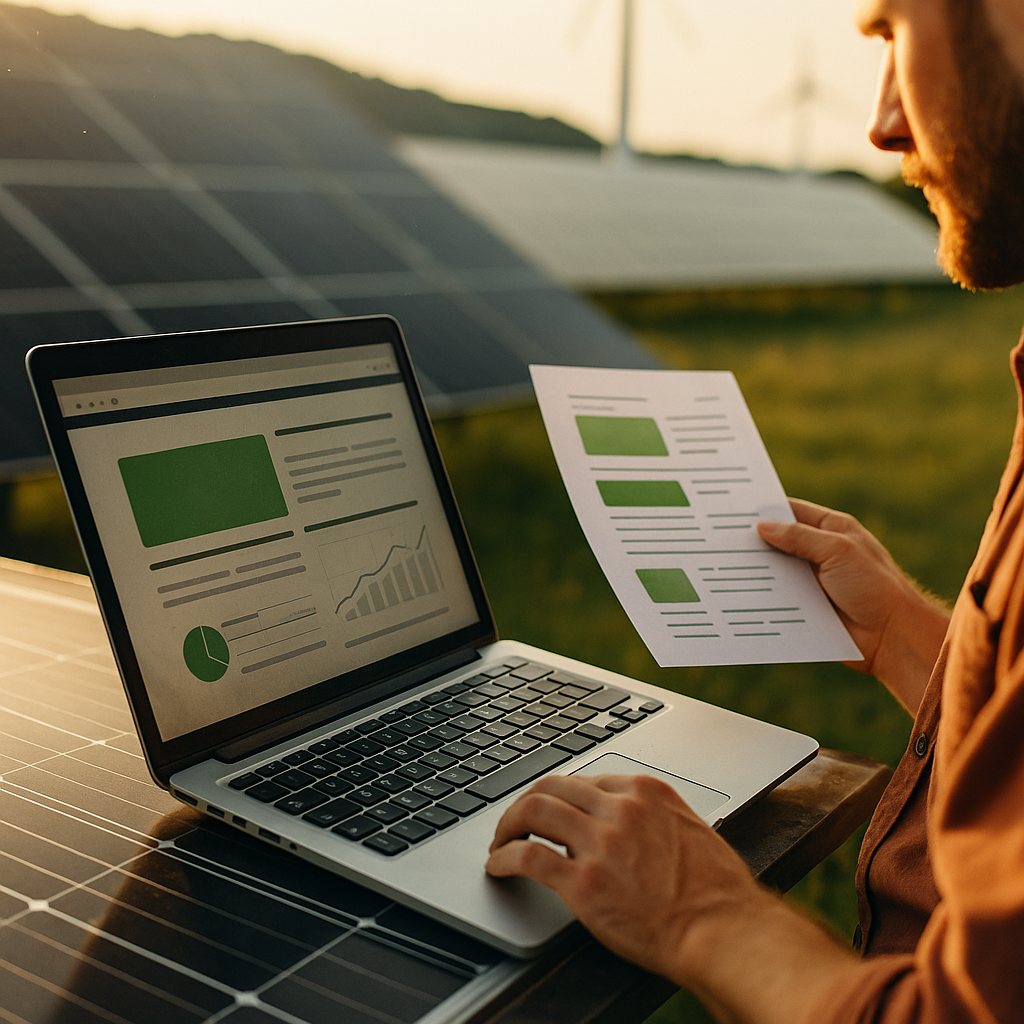
Designing low carbon websites is no longer a niche practice. In 2026, it sits at the intersection of user experience, technical performance, accessibility, and environmental responsibility. A faster, lighter site reduces emissions, lowers hosting demands, and improves conversions across regions and devices. The smartest teams now treat sustainability as a measurable product advantage. What does that look like in practice?
Why website sustainability matters for performance and growth
Website sustainability means building and operating digital products in ways that use fewer resources while still delivering excellent experiences. Every page view requires electricity across devices, networks, and data centers. When a site is bloated with oversized images, unused code, excessive scripts, and autoplay media, it consumes more energy and often performs worse.
This is not just an environmental issue. It is a business issue. Lighter pages tend to load faster, rank better, reduce bounce rates, and work more reliably on slower connections. They also support accessibility by lowering cognitive and technical barriers for users on older devices or limited mobile plans.
From an EEAT perspective, sustainable web design signals expertise and trustworthiness when it is tied to transparent decisions and measurable outcomes. If your team can explain why specific assets were reduced, how performance budgets were set, and what impact those changes had on speed and emissions, your content becomes more useful and credible.
For global brands, the stakes are higher. Audiences access sites from markets with different network quality, energy mixes, and device capabilities. A carbon-aware site respects those real-world conditions instead of assuming everyone has the latest phone and unlimited bandwidth.
- Better performance: fewer bytes and requests usually mean faster load times.
- Lower operating costs: efficient delivery can reduce bandwidth and infrastructure demands.
- Wider reach: lightweight experiences work better in bandwidth-constrained regions.
- Stronger brand trust: sustainability claims backed by action are more credible than slogans.
Core principles of sustainable web design
Sustainable web design begins with restraint. The goal is not to strip away value. It is to remove waste. High-performance low-carbon websites are intentional about what they load, when they load it, and whether it needs to exist at all.
The first principle is to prioritize user outcomes over visual excess. Ask what users came to do. If the answer is to compare products, read pricing, or contact sales, the design should support that task directly. Decorative assets that do not help users complete key actions should be reconsidered.
The second principle is to design for default efficiency. Pages should be fast and usable before enhancements load. Progressive enhancement remains one of the most practical ways to reduce unnecessary energy use while keeping experiences resilient.
The third principle is to build systems, not one-off pages. A lean design system with reusable components, optimized tokens, and limited variation reduces code duplication and maintenance overhead. It also improves consistency, which supports accessibility and trust.
Another core principle is lifecycle thinking. Teams often focus on launch, but emissions accumulate through ongoing content updates, third-party additions, and feature creep. Governance matters as much as initial design choices.
- Reduce: remove unnecessary pages, assets, plugins, and scripts.
- Optimize: compress images, minify code, and streamline fonts and layouts.
- Defer: load nonessential assets only when needed.
- Measure: track page weight, requests, Core Web Vitals, and estimated emissions.
- Maintain: audit content and technology regularly to prevent bloat from returning.
These principles help teams avoid a common mistake: treating carbon reduction as separate from design quality. In practice, the best sustainable sites feel faster, clearer, and more helpful because they are built around real user needs.
Technical tactics for green web hosting and lower page weight
Technical execution determines whether sustainability goals become reality. Start with hosting. Green web hosting usually refers to providers that run on renewable energy, match consumption with credible renewable procurement, or operate highly efficient data centers. Look for transparent reporting, not vague environmental claims. Ask providers about energy sources, regional infrastructure, caching strategy, and emissions accounting.
Hosting alone, however, will not solve a heavy site. Front-end efficiency often produces the fastest gains. Images remain one of the biggest opportunities. Serve responsive image sizes, use modern formats where appropriate, and avoid uploading assets larger than the display requires. For many content pages, a carefully compressed image can preserve quality while cutting transfer size dramatically.
Video should be handled with caution. Do not autoplay background video unless it clearly supports user goals. Use click-to-play patterns and provide poster images. If video is essential, host and deliver it efficiently, and consider whether shorter clips or lower default resolutions can achieve the same purpose.
JavaScript deserves close attention. Many websites ship far more script than users need. Audit dependencies, eliminate unused packages, and favor server-side rendering or static generation when possible. Third-party scripts for analytics, chat, ads, testing, and social widgets frequently add significant weight and execution cost. Each one should have a documented purpose and owner.
Fonts can also be surprisingly expensive. Limit font families, weights, and styles. System fonts are the lightest option, but if brand typography is essential, subset files and preload only what is needed for above-the-fold content.
- Choose efficient hosting: prioritize providers with transparent sustainability and performance practices.
- Use caching and CDNs carefully: reduce round trips and deliver assets closer to users.
- Compress media: optimize images, PDFs, SVGs, and video assets.
- Trim scripts: remove duplicate libraries, unused code, and unnecessary trackers.
- Limit custom fonts: reduce variants and subset character sets.
- Ship less markup: simplify templates and avoid deeply nested components.
If your team asks how low is low enough, create performance budgets tied to business priorities. For example, set maximum thresholds for page weight, script execution time, image count, and third-party requests. Budgets turn sustainability into an enforceable requirement rather than a vague aspiration.
How carbon efficient UX improves accessibility and global reach
Carbon efficient UX is about designing interfaces that reduce effort for both machines and people. That includes smaller files, but it also includes better content hierarchy, clearer navigation, and fewer dead ends. When users complete tasks quickly, they spend less time reloading pages, repeating searches, or waiting on heavy elements.
Accessibility and sustainability frequently align. Simple layouts, strong contrast, semantic structure, and clear calls to action improve usability while reducing the need for complex, script-heavy interactions. Text-first communication also lowers bandwidth needs and helps screen reader users.
Global reach depends on these choices. In many regions, users still navigate on unstable networks, lower-end devices, or costly data plans. A website that assumes fiber connectivity and flagship phones effectively excludes part of its audience. Designing for low-carbon delivery often means designing for inclusion.
Localization should also be efficient. Avoid duplicating full assets across language versions unless necessary. Reuse shared components, compress translated media, and test region-specific performance. If your audience spans multiple continents, monitor how page weight and latency vary by geography instead of relying on headquarters-based assumptions.
Content strategy matters here too. Clear writing reduces the need for decorative explanation. If a product page answers core questions quickly, users need fewer clicks to reach a decision. Helpful content lowers wasted interactions, which can lower digital resource use as well.
Practical signs of carbon efficient UX include:
- Fast paths to key tasks: contact, purchase, signup, download, or support.
- Readable content: concise paragraphs, clear labels, and meaningful headings.
- Accessible interactions: keyboard support, visible focus states, and reduced motion options.
- Minimal distractions: fewer pop-ups, interstitials, and autoplay elements.
- Resilient performance: graceful loading on slow networks and older devices.
When brands ask whether sustainability could hurt creativity, the answer is no. Constraints can sharpen creative direction. Strong visual identity does not require excess. It requires discipline and a clear understanding of what actually moves users.
Measuring website carbon footprint with credible benchmarks
You cannot improve what you do not measure. Estimating a website carbon footprint usually involves page weight, transfer frequency, energy assumptions, and data-center factors. Because methodologies vary, the most useful approach is consistency. Pick credible tools and track trends over time rather than chasing a single perfect number.
Pair sustainability metrics with established performance indicators. Core Web Vitals, total page size, request count, time to first byte, image weight, and JavaScript execution all help explain why emissions estimates rise or fall. This combined view is more actionable than carbon estimates alone.
To align with EEAT, document your measurement process clearly. Explain which pages were tested, from which regions, under what network conditions, and how often audits run. If your article or sustainability report makes claims like we reduced digital emissions by 30%, readers should understand the baseline and method behind that statement.
A practical measurement framework might include:
- Page-level audits: homepage, top landing pages, product pages, blog templates, and conversion paths.
- Regional testing: check speed and weight across key geographies.
- Asset reviews: identify heavy templates, media libraries, and third-party tools.
- Budget alerts: trigger warnings when new releases exceed thresholds.
- Quarterly governance: review content, plugins, and scripts for relevance and cost.
Some teams also track emissions per visit and emissions per conversion. This helps connect sustainability work to business outcomes. If a redesign lowers page weight and increases conversion rate, that is a meaningful operational improvement, not just a technical win.
Be careful with offsets and vague green claims. They do not replace direct reduction. The strongest sustainability posture is to reduce digital waste first, disclose methods, and treat compensation mechanisms as secondary.
Building a low carbon digital strategy that lasts
A low carbon digital strategy succeeds when it becomes part of product governance, design reviews, engineering workflows, and content operations. If sustainability only appears in a one-time redesign, the site will likely become heavy again within months.
Start by assigning ownership. Someone should be responsible for performance budgets, third-party approvals, and recurring audits. Cross-functional collaboration is essential because low-carbon outcomes depend on design, development, marketing, procurement, and editorial teams making aligned decisions.
Next, embed sustainability into your workflow. Include page-weight targets in briefs, require asset optimization before publishing, and review every new script for necessity. Train content teams to upload correctly sized media and retire outdated files. Treat digital clutter the way mature teams treat technical debt.
Procurement also matters. Vendors, CMS platforms, personalization tools, and analytics stacks all shape site weight and energy use. Ask hard questions before adding anything new:
- What user problem does this solve?
- What is the performance cost?
- Can we achieve the same result with less code or fewer requests?
- Who will maintain and review this over time?
For enterprise organizations, create a sustainability scorecard that sits alongside security, accessibility, and SEO requirements. This makes tradeoffs visible. It also helps leadership understand that digital sustainability is not a side project. It is operational quality.
The long-term payoff is significant: faster experiences, broader accessibility, better resilience in global markets, and a more trustworthy brand position. In 2026, those advantages are too important to leave to chance.
FAQs about low carbon websites
What is a low carbon website?
A low carbon website is designed and maintained to reduce energy use across devices, networks, and servers. It typically uses fewer resources, loads faster, and avoids unnecessary media, scripts, and third-party tools.
Do low carbon websites help SEO?
Yes. Many low-carbon practices support SEO indirectly and directly. Faster load times, better mobile usability, cleaner code, and improved user experience can strengthen search performance. Helpful, accessible content also aligns with search quality expectations.
How can I reduce the carbon footprint of my website quickly?
Start with the biggest sources of waste: compress and resize images, remove unused scripts, reduce third-party tags, limit custom fonts, enable caching, and review autoplay video. Then set performance budgets so improvements are preserved.
Is green web hosting enough on its own?
No. Sustainable hosting is important, but page design and front-end delivery often drive major impacts. A site hosted on cleaner infrastructure can still be inefficient if it loads heavy media and excessive JavaScript.
Will a lightweight website look too simple?
Not if it is designed well. Strong branding, excellent typography, thoughtful motion, and clear hierarchy can create a premium experience without unnecessary weight. Constraint often improves clarity and visual discipline.
How do I measure website carbon impact accurately?
Use a consistent methodology and combine carbon estimates with performance data like page size, request count, and Core Web Vitals. Track trends over time, document assumptions, and compare similar templates and user journeys.
Are low carbon websites better for global audiences?
Yes. Lightweight sites perform better on slower networks, older devices, and expensive data connections. That makes them more inclusive and more effective across diverse regions and user conditions.
What role does accessibility play in sustainable web design?
Accessibility and sustainability often reinforce each other. Clear structure, fewer distractions, semantic markup, and efficient interactions improve usability while reducing digital waste and unnecessary processing.
Designing low carbon websites delivers more than a sustainability story. It creates faster, clearer, more accessible experiences that work better for users everywhere. The most effective approach is practical: reduce waste, measure performance, choose efficient infrastructure, and build governance that prevents bloat from returning. In 2026, digital sustainability is not optional polish. It is a competitive standard with measurable returns.