


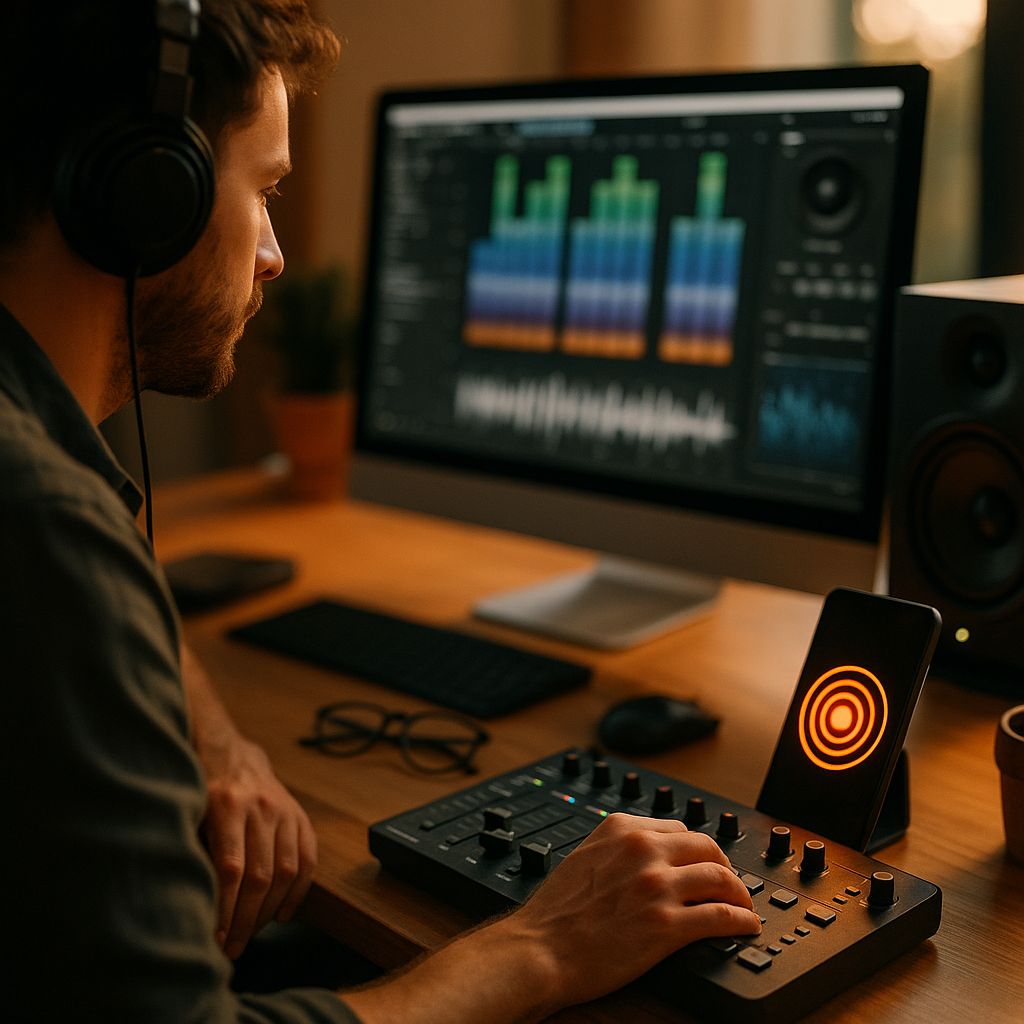
In 2025, brands compete in feeds where visuals blur together and attention is scarce. Designing For Sensory Branding means using more than sight to earn recall and trust—especially through sound. When audio cues are consistent, they create instant recognition across apps, ads, and experiences. This guide shows how to integrate sound into digital campaigns without guesswork—and why it can outperform silence. Ready to be heard?
Why sensory branding matters in digital marketing
Sensory branding builds recognition by shaping how people feel about a brand, not just what they see. In digital channels, this matters because users scroll quickly, multitask, and often engage in short bursts. A consistent sound can cut through that noise by creating an identity cue that lands faster than reading a tagline.
Sound also supports memory. Brand cues that repeat across touchpoints (a short melody, a signature tone, a voice style) make the brand easier to identify later. This isn’t about adding background music to everything; it’s about using intentional, repeatable audio signals that reinforce your brand promise.
Many campaigns already use sensory triggers, but inconsistently: a different music bed per platform, a different voice style per region, or random sound effects chosen by editors. Those choices can dilute recognition. Strong sensory branding brings structure: a defined audio identity, rules for how it appears, and clear measurement.
If you’re wondering whether sound matters when so many users keep devices muted, the practical answer is: design for both states. Use audio for those who hear it and ensure the experience still works without it. When you do that, sound becomes an advantage rather than a dependency.
Audio branding strategy: defining your sonic identity
Effective sound in campaigns starts with a clear audio branding strategy. A sonic identity is the audio equivalent of a visual system: it includes core assets, usage rules, and a rationale grounded in your audience and positioning.
Key components to define:
- Sonic logo: a short, distinctive audio mark (often 1–3 seconds) used at key moments (open, close, transitions).
- Brand mnemonic: a longer phrase or melody used across content series (think “theme” rather than “tag”).
- Sound palette: the textures and instruments that match your brand traits (warm, precise, playful, premium).
- Voice system: voice characteristics (tone, pace, accent guidance, vocabulary) and when to use VO versus text.
- Interaction sounds: UI sounds for product experiences (confirmation, error, loading) aligned with the brand.
How to translate brand attributes into sound:
- Trustworthy and calm: slower tempo, softer transients, minimal distortion, stable harmonies.
- Bold and energetic: tighter rhythm, brighter timbres, more punch, higher dynamic contrast.
- Innovative and precise: clean synth textures, controlled reverb, crisp high-frequency detail.
Answering the common follow-up: “Do we need to hire a composer?” If your campaign needs a proprietary sonic logo or you want full ownership and long-term consistency, commissioning custom audio is often worth it. For smaller budgets, you can still build a sound palette using licensed tracks—just ensure they share consistent traits and that your licensing covers every platform you’ll use.
Sonic logos and brand sound cues across touchpoints
A sonic identity only works when it appears consistently. The goal is not to saturate every asset with audio, but to create repeatable moments where the audience expects your sound and starts associating it with you.
High-impact touchpoints for sonic cues:
- Short-form video ads: place a sonic logo in the first 1–2 seconds for recognition, and again at the end for reinforcement.
- Connected TV and streaming: use a clean, mastered version that holds up on bigger speakers.
- Podcast ads: pair voice and sonic logo; avoid overpowering hosts and prioritize intelligibility.
- In-app moments: subtle confirmation tones can increase perceived polish when they match the brand.
- Web and landing pages: use audio sparingly and user-initiated; avoid autoplay to protect user trust.
Practical sequencing that works:
- Hook: a quick recognizable cue (sonic logo or a distinct sound motif) before the message.
- Support: a restrained music bed that doesn’t compete with speech or on-screen text.
- Signature: the sonic logo paired with the brand name on-screen.
What if your brand already has a jingle? Treat it like a visual logo refresh: keep the recognizable core (melody contour or interval pattern) and modernize production for current platforms. Audiences respond to familiarity, but they also notice when audio feels dated or mismatched to the medium.
Avoid these common mistakes:
- Using different music styles per campaign until no one can identify the brand by sound.
- Making the sonic logo too long, too complex, or too similar to stock audio motifs.
- Mixing audio too loud for mobile, causing users to skip or mute immediately.
Sound design for digital campaigns: formats, platforms, and UX
Great sound design for digital campaigns respects context. The same audio can feel premium on headphones, harsh on phone speakers, and muddy on laptops. Designing for platform realities is part of being effective and credible.
Platform-aware audio guidelines:
- Mobile-first mixing: prioritize midrange clarity where phone speakers perform best; avoid overly wide stereo tricks that disappear on small devices.
- Loudness consistency: keep levels stable across assets so users aren’t surprised by volume changes between ads and organic content.
- Speech intelligibility: if voiceover exists, it must remain clear over music; reduce competing frequencies and avoid busy arrangements.
- Safe listening: avoid sharp, sudden peaks; users may be wearing earbuds.
Designing for muted playback is equally important. Many platforms start videos muted by default. Build a dual-track creative approach:
- Visual-first messaging with on-screen text that carries the core claim.
- Audio-enhanced meaning that adds emotion, pacing, and brand recognition when unmuted.
UX and consent matter in 2025. Autoplay audio can erode trust and raise accessibility concerns. A better pattern: user-initiated sound with clear controls, plus captions and transcripts when speech is used. This supports accessibility and improves comprehension in noisy environments.
Answering a common follow-up: “Should we use AI voice?” You can, but treat it as a brand decision, not a shortcut. If you use synthetic voice, validate that it matches your brand traits, remains intelligible across languages, and meets legal and ethical requirements. Many brands still prefer human voice talent for warmth and nuance, especially for emotional storytelling.
Measuring audio impact: brand recall, attention, and performance
Sound should earn its place in your budget. Measuring it well also strengthens EEAT: you can explain why you chose specific audio elements and what they achieved.
What to measure (and how it connects to business outcomes):
- Ad recall lift: test whether branded audio cues improve recognition versus silent or generic-audio variants.
- Brand attribution: measure whether people can identify the brand from the audio cue alone (a strong indicator of sonic equity).
- View-through and completion rates: compare performance with and without early sonic branding.
- Click-through or conversion rate: evaluate whether audio improves downstream action, not just awareness.
- Sentiment and qualitative feedback: confirm that the sound matches the intended brand perception.
Recommended testing approach:
- A/B tests with identical visuals and copy, changing only audio (sonic logo present/absent, VO tone, music style).
- Multivariate tests for series campaigns where you can isolate the impact of intro cues, end tags, and music beds.
- Brand lift studies with platform tools or third-party research to quantify changes in recall and consideration.
Answering the likely question: “How fast can we see results?” Tactical metrics (completion, click-through) can move within days. Brand metrics usually need more impressions and a longer window to be reliable. Plan measurement alongside media strategy so you can attribute changes correctly.
Keep documentation: store audio masters, mix notes, platform versions, and test results in a shared library. This makes future campaigns faster, more consistent, and easier to optimize.
Building trust with consistent brand voice and audio guidelines
Consistency is where sonic branding compounds. You build trust when your audience experiences the same brand “personality” wherever they encounter you. That requires governance: a system that creators, editors, agencies, and regional teams can follow.
Create a lightweight audio style guide that includes:
- Core assets: sonic logo files, stems, and approved variations (short, standard, extended).
- Usage rules: where the sonic logo must appear (end card, product reveal) and where it must not (sensitive topics, customer support).
- Voice rules: pacing, vocabulary, and emotion; examples of “on-brand” and “off-brand” reads.
- Technical specs: recommended loudness targets, file formats, and mix guidance for mobile and streaming.
- Accessibility requirements: captions for speech, clear controls, and avoiding disorienting effects.
Legal and licensing credibility is part of trust. Confirm rights for music, voice, and sound effects across every channel you use, including paid social, influencer content, streaming, and in-product experiences. If you commission custom music, document ownership and reuse permissions clearly.
Operational tip: assign a single “audio owner” (brand or creative ops) responsible for approvals. That prevents drift and makes sure every campaign contributes to long-term recognition rather than reinventing the sound each time.
FAQs
What is sensory branding, and how does sound fit into it?
Sensory branding uses touchpoints that influence perception through senses like sight, sound, and sometimes haptics. Sound adds an identity layer that works quickly, supports memory, and can reinforce emotion and trust when used consistently.
What’s the difference between a sonic logo and a jingle?
A sonic logo is a short audio signature (often a few seconds) designed for quick recognition across platforms. A jingle is typically longer and more song-like, often carrying lyrics or a full melody that plays as a standalone piece.
How do we integrate sound into digital campaigns when many users watch on mute?
Design for dual-mode viewing: make the message clear with visuals and on-screen text, then use sound to add emotional impact and brand recognition for users who listen. Place sonic cues where they still feel meaningful even if heard only occasionally.
Should we use voiceover or rely on music and sound effects?
Use voiceover when clarity and persuasion matter—especially for complex offers or explaining benefits fast. Use music and effects when you want mood, pace, and recognition. Many strong campaigns combine both, with voice kept intelligible and supported by a consistent sonic tag.
How do we make sure our campaign audio is accessible?
Provide captions for spoken content, avoid autoplay audio on web pages, offer user controls, and keep mixes comfortable without sudden loud peaks. If sound conveys essential information, provide a visual equivalent.
What metrics best prove audio is working?
Use brand recall lift and brand attribution tests to measure recognition, then connect those results to performance indicators like completion rate, click-through rate, and conversion rate through controlled A/B testing.
Sound is no longer optional in digital storytelling; it’s a practical tool for recognition, emotion, and trust when applied with intent. Define a sonic identity, deploy consistent cues across the right touchpoints, and design for both muted and listening audiences. Measure impact with controlled tests, then codify what works in an audio style guide. The takeaway: make your brand audible, but always user-first.