


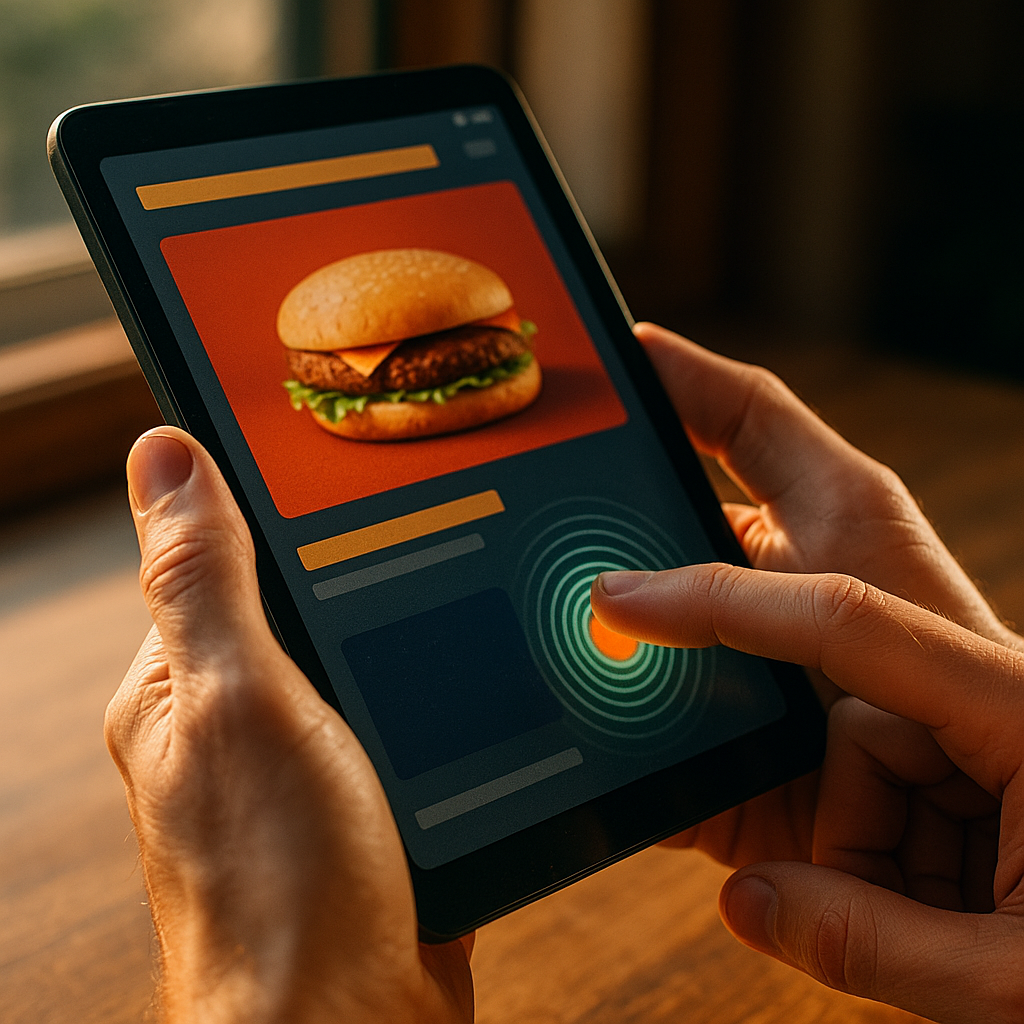
In 2025, brands compete for attention across screens, headphones, and real life. Designing for Haptic Storytelling and Physical Sensation in Ads helps marketers turn passive viewing into embodied experience—vibrations that match a heartbeat, textures that cue luxury, interactions that feel intuitive. When you can make people feel the message, recall rises, meaning deepens, and action becomes easier—so how do you design it well?
Haptic storytelling in advertising: what it is and why it works
Haptic storytelling uses touch-based cues—vibration, pressure, motion, friction, texture, temperature, and resistance—to convey narrative and emotion. In advertising, it often shows up through mobile vibration patterns, controller rumble, wearables, interactive installations, packaging, and even mailers with tactile finishes. The goal is not novelty; it is sensory meaning.
Why it works comes down to three practical effects:
- Attention with purpose: A well-timed haptic cue interrupts autopilot behavior without forcing sound-on or full-screen.
- Memory encoding: Multi-sensory experiences tend to be remembered more than single-channel messages, especially when touch reinforces the story beat (e.g., “pulse” for urgency, “soft” for comfort).
- Perceived realism and trust: When interaction feedback matches what the user expects, the experience feels credible and premium.
Touch also answers a common follow-up question: “Will this work without VR?” Yes. Most haptic ad experiences start with smartphones and packaging—channels that already reach mass audiences and can be measured.
Physical sensation design: mapping emotions to touch cues
Physical sensation design starts with a simple discipline: define the emotion, then choose tactile parameters that express it. Avoid random vibration. Treat haptics like sound design—intentional, timed, and consistent.
Use an “emotion-to-haptic map” to guide creative:
- Urgency / excitement: Short, tight pulses; increasing frequency; crisp onsets; paired with visual acceleration.
- Calm / reassurance: Slow, rounded pulses; longer decay; minimal amplitude; fewer events.
- Luxury / craft: Subtle micro-interactions; low-intensity feedback; tactile materials (soft-touch, deboss, textured varnish) that reward close handling.
- Impact / power: Single strong “thump” moments; controller rumble bursts; synchronized with key frame transitions.
- Delight / play: Light, varied patterns; rhythmic “taps”; brief surprises that remain predictable enough to feel safe.
Then align tactile moments to narrative beats:
- Setup: One signature cue that signals “this is interactive” (a gentle tap).
- Build: Repeating motif that tracks progress (pulses as the user swipes or scrolls).
- Payoff: A single distinctive cue at the brand promise moment (a “lock-in” click when an offer is revealed).
Designers often ask, “How strong should the haptic be?” In ads, lighter is usually better. Strong vibrations can feel like an alert, read as intrusive, or become fatiguing. Aim for confidence, not volume.
Multisensory ad experiences: channels, formats, and use cases
Multisensory ad experiences combine touch with sight, sound, and interaction. The strongest executions use touch to clarify what the user is seeing, not to compete with it. Here are practical formats that teams can ship in 2025:
- Mobile rich media with haptic micro-interactions: Swipe-to-reveal, tap-to-compare, “hold to feel” moments. Use haptics to confirm actions (selection, completion) and mark story transitions.
- Playable ads and game-like units: Haptics reinforce success/failure states and guide attention. Keep feedback consistent: one pattern for “correct,” one for “error,” one for “reward.”
- Wearable-linked experiences: For brands with companion apps, haptics can appear on watches or bands to support timed storytelling (e.g., reminders that match a campaign’s rhythm). Always require explicit opt-in.
- Connected TV + second-screen: Use the phone as the haptic device while the TV carries the cinematic story. The phone becomes the “touch channel” for key moments.
- Retail and out-of-home installations: Force feedback knobs, textured panels, and vibration-enabled surfaces can make product attributes tangible (e.g., “smooth glide” for a razor, “stability” for shoes).
- Packaging and direct mail: Tactile coatings, embossing, variable textures, and pull tabs can deliver physical sensation without any device dependency.
To answer the next likely question—“What’s the simplest starting point?”—choose one flagship placement (often mobile) and design one signature haptic motif that can be reused across units and measured against a control.
Mobile haptic feedback: patterns, accessibility, and UX safeguards
Mobile haptic feedback is the most scalable haptic canvas, but it requires careful UX and accessibility practice. Treat haptics as a user benefit, not a trick to force engagement.
Design safeguards that keep the experience respectful:
- Consent and control: Provide clear opt-in language when the experience goes beyond standard UI feedback. Offer a visible “mute haptics” option inside the unit.
- Context awareness: Assume the phone may be in a pocket, on a table, or held one-handed. Avoid patterns that could be confused with emergency alerts.
- Frequency limits: Repeated vibrations can irritate or cause fatigue. Use haptics sparingly, and avoid constant buzzing during scroll.
- Accessibility support: Do not rely on haptics as the only signal. Pair with visual cues (animation, labels) and optional audio. Ensure key information is still available without touch feedback.
- Platform consistency: Different devices render vibrations differently. Design for “good enough” consistency by using simple, recognizable patterns rather than overly intricate sequences.
Testing should include real-world scenarios: silent mode, low power mode, one-handed use, and typical commuting environments. If the haptic cue doesn’t add clarity in these settings, remove it. A restrained system beats a complicated one that fails on half the devices.
Brand storytelling through touch: building a tactile identity and measuring impact
Brand storytelling through touch becomes powerful when it is consistent over time—like a sonic logo, but felt. Create a tactile identity system that creative teams can apply across placements.
Build a simple tactile identity kit:
- Signature motif: One short pattern that represents the brand (e.g., two light taps + one longer pulse).
- Interaction grammar: Defined cues for common states: start, progress, confirm, error, reward.
- Intensity rules: A small set of amplitudes (light/medium) and timing limits.
- Material equivalents: If packaging or retail is part of the campaign, define tactile materials that match the same brand feeling (soft-touch, matte grit, satin gloss, deboss depth).
Measurement is where EEAT shows up: make claims you can support, and run tests that isolate the effect of touch. Practical measurement approaches include:
- A/B testing: Compare units with haptics versus identical units without haptics. Track view-through, interaction rate, completion rate, and downstream conversions.
- Brand lift studies: Measure ad recall, message association, and favorability. Ensure the study captures whether users noticed the haptic cue.
- Behavioral signals: Time-to-first-action, error rates in interactive units, and drop-off points can reveal whether haptics improved clarity.
- Qualitative validation: Short intercept surveys asking users to describe the experience in their own words often uncover whether touch reinforced the intended emotion.
A key follow-up question is, “How do we avoid gimmicks?” Use a strict rule: every tactile event must do one of three jobs—confirm an action, guide attention, or express a story beat. If it does none, it’s noise.
Ethical haptics and privacy: trust, consent, and responsible persuasion
Ethical haptics matter because touch feels personal. Overuse can trigger annoyance, discomfort, or distrust. Responsible design protects users while protecting the brand.
Best practices for trustworthy haptic ads in 2025:
- No dark patterns: Do not use haptics to simulate fake system alerts, false urgency, or misleading “error” states.
- Transparent intent: If touch is used to heighten immersion, say so. Users respond better when they understand why something is happening.
- Data minimization: If the experience involves sensors (motion, wearables), collect only what you need, store it securely, and explain usage plainly.
- Safety and sensitivity: Avoid intense or prolonged vibrations. Provide immediate off controls. Consider users with sensory sensitivities.
- Compliance alignment: Coordinate with legal and privacy teams early—especially when linking touch feedback to identity, location, or health-related signals.
EEAT isn’t just about expertise; it’s about demonstrating care. When users feel respected, they grant attention more willingly—and the ad performs better without forcing it.
FAQs: Designing for haptic storytelling and physical sensation in ads
What devices support haptic advertising today?
Smartphones are the most common, followed by game controllers, wearables, and specialized retail installations. Packaging adds tactile sensation without any device. The best approach is to design a core experience for mobile and extend it to other touchpoints when it improves the story.
Do haptic ads require a custom app?
Not always. Some executions run in mobile web or rich media environments and use standard haptic capabilities. More advanced experiences—especially those involving wearables or deeper personalization—often work better in an app where consent and controls are clearer.
How do you choose the right haptic pattern?
Start with the emotion and the user action. Use simple patterns that users can interpret instantly. Reserve distinctive patterns for key narrative moments and keep confirmation feedback subtle and consistent.
Can haptics improve conversion rates?
They can when touch reduces friction (clear confirmations), increases confidence (realistic feedback), or strengthens recall (signature story beats). Validate impact through A/B tests and brand lift studies rather than assuming novelty will carry performance.
How do you make haptic ads accessible?
Never make haptics the only way to understand the message. Provide visual equivalents, allow users to disable haptics, keep patterns short, and avoid intense or repetitive vibrations. Test with diverse users and real-world contexts.
What’s the biggest mistake brands make with haptics?
Using vibration as a constant attention grab. Overuse feels intrusive and can reduce trust. The best haptic storytelling is restrained, timed to meaning, and tightly connected to the brand narrative.
Haptic storytelling works when it is designed like any other craft: purposeful, consistent, and measurable. In 2025, the advantage goes to teams that treat touch as a narrative channel—mapping emotion to tactile cues, protecting user comfort, and building a repeatable tactile identity. Start small, test rigorously, and keep every vibration tied to meaning to turn ads into experiences people remember.