


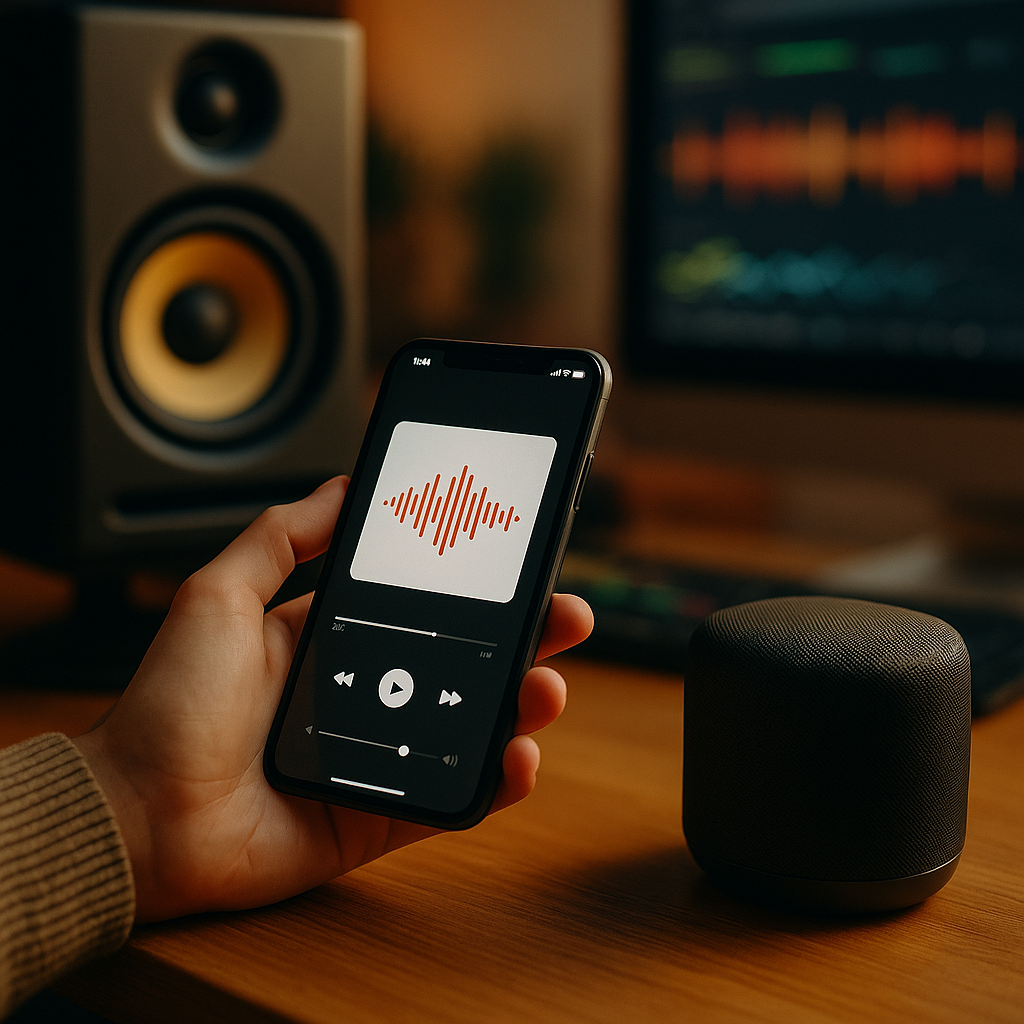
Designing For Sensory Branding: Integrating Sound Into Mobile Campaigns is no longer a “nice to have” in 2025. Mobile is where brands compete for attention in short, frequent moments—and sound can anchor memory, signal trust, and guide action faster than visuals alone. When you design audio with intention, you shape how people feel before they think. Ready to make your brand heard?
Sound branding strategy: Why mobile sound matters for sensory branding
Mobile campaigns live in a high-interruption environment: notifications, multitasking, and rapid scrolling. Sound cuts through that noise when it is distinctive, consistent, and respectful of context. A strong sound branding strategy treats audio as a brand asset—similar to a logo or color system—built for repeated exposure across touchpoints.
What sound adds that visuals often can’t:
- Faster recognition: A short, repeatable audio signature can cue your brand in under a second, even when the screen isn’t in view.
- Emotional priming: Timbre, tempo, and harmony influence perceived warmth, urgency, and confidence—useful for onboarding, offers, and reassurance moments.
- Guidance and feedback: Subtle UI sounds confirm actions (payment success, booking confirmed) and reduce uncertainty.
- Cross-channel consistency: One audio system can unify paid social, in-app experiences, podcasts, retail, and customer support.
Mobile also creates a constraint: sound is optional, often muted, and sometimes unwelcome. That constraint is a design advantage. It forces disciplined choices—short durations, clear purpose, and strong defaults for silent playback. The best campaigns assume silence first, then reward users who enable audio.
Mobile audio advertising: Where sound fits across the campaign journey
To integrate sound effectively, map audio roles to the user journey rather than treating sound as a single “jingle” moment. Mobile audio advertising performs best when it supports a clear job: capture attention, explain value, confirm actions, or deepen affinity.
High-impact mobile placements and how to design sound for each:
- Short-form video ads (social feeds): Use a recognizable sonic tag in the first 1–2 seconds and again at the end. Mix for phone speakers. Ensure the ad still works with captions when muted.
- In-app and mobile web experiences: Keep UI feedback sounds minimal and consistent. Use audio sparingly for “state changes” (success, error, completion). Avoid novelty sounds that fatigue quickly.
- Audio-first channels (streaming, podcasts): Favor voice clarity and branded music beds that do not compete with speech. Build a “spoken logo” line that can flex across offers without losing identity.
- Notifications and CRM (opt-in only): If your app supports custom sounds, keep them short and non-intrusive. Use them to signal importance tiers, not to increase volume or frequency.
- QR or NFC activations: When a user scans, a quick sonic confirmation can reduce friction and make the experience feel immediate—especially in retail or events.
Answering the common follow-up: “Should we add sound everywhere?” No. Use sound where it either improves comprehension, reduces uncertainty, or strengthens memory without creating annoyance. If it doesn’t pass at least one of those tests, leave it silent.
Audio logo design: Building a distinctive sonic identity for phones
An audio logo design is a short, ownable piece of sound—typically 0.5 to 3 seconds—that signals your brand consistently. In 2025, this needs to work across earbuds, phone speakers, and car Bluetooth, and it must survive compression on social platforms.
Design principles for a mobile-ready sonic identity:
- Keep it brief: Under 2 seconds is often ideal for paid media and UI confirmations.
- Prioritize recognizability over complexity: A simple motif is easier to remember and less likely to clash with voiceovers.
- Choose a “signature” element: This could be a distinct instrument, chord movement, rhythm, or sound texture that remains consistent even when the arrangement changes.
- Build a flexible system: Create variants for different contexts (quiet, energetic, premium, playful) while maintaining the same core motif.
- Mix for real devices: Test on budget phones, not just studio monitors. Ensure the sonic tag remains clear at low volume.
Operationalizing ownership: Document your sonic guidelines the way you document brand typography. Specify tempo ranges, instrument families, voice characteristics, and do/don’t examples. This reduces “random music choice” drift across agencies and regions.
Trust and authenticity (EEAT): If you use voice, select talent that matches your brand personality and audience expectations. Consistent voice casting matters as much as consistent colors. Also confirm music licensing and usage rights for every platform and geography—nothing erodes trust faster than takedowns or inconsistent audio due to rights issues.
UX sound design: Using audio to improve mobile experience without annoying users
UX sound design should feel like a helpful layer, not an interruption. The goal is to reduce cognitive load and increase confidence. Most users will tolerate—and even appreciate—sound when it is predictable, brief, and tied to meaningful outcomes.
Where UX sound pays off in mobile campaigns:
- Conversion moments: A subtle confirmation sound after checkout or form submission reassures users that the action succeeded.
- Error prevention: Soft alert tones can draw attention to missing fields or failed payments, especially when paired with clear on-screen text.
- Progress and completion: A gentle “completion” cue can increase perceived speed and satisfaction in onboarding flows.
How to avoid the biggest UX sound mistakes:
- Never autoplay unexpected audio on landing pages: Respect silent contexts (commuting, work, public spaces). Offer an obvious control if audio is available.
- Design for accessibility: Audio should complement, not replace, visual cues. Provide captions for spoken content and ensure critical information is still available without sound.
- Use consistent sound semantics: “Success” should always sound like success, not like an error. Keep a small, reusable set of tones.
- Mind loudness and frequency: Mix UI sounds lower than media audio. Avoid high-pitched tones that fatigue quickly.
Answering the follow-up: “What about users who hate sounds?” Give them control. Honor device mute settings, provide in-app toggles where appropriate, and default to silent unless there is clear user benefit. Respectful sound builds brand trust.
Multisensory marketing: Aligning sound with visuals, motion, and message
Multisensory marketing works when every element supports the same brand meaning. Sound should match your visual identity, motion language, and copy tone—otherwise it creates friction. The goal is congruence: the user should feel the same “brand personality” whether they see a static banner, watch a 6-second video, or hear a 15-second audio ad.
Practical alignment tactics:
- Translate brand attributes into audio: “Reliable” can sound stable and warm; “innovative” can use modern textures and crisp transients; “luxury” often benefits from restraint and space.
- Sync sound with motion: Micro-sounds that align with animation timing increase perceived polish and clarity. Keep timing tight—mobile users notice lag.
- Use a consistent voice approach: Decide whether your brand voice is conversational, authoritative, playful, or minimal. Maintain that tone across ads and in-app experiences.
- Create modular assets: Build stems (music layers) and short motifs so you can adapt quickly for different formats, languages, and placements without losing identity.
Common question: “Can we reuse our TV audio?” Sometimes, but mobile usually needs tighter edits, clearer mids (for small speakers), and versions designed for silent-first playback. Treat mobile as its own craft, not just a cutdown destination.
Audio brand guidelines: Measurement, testing, and governance for campaign performance
Audio only becomes a durable asset when you measure its impact and govern its use. In 2025, strong teams treat sonic identity like any other brand system: define standards, test variants, and enforce consistency across vendors and markets.
What to measure in sound-enabled mobile campaigns:
- Brand recall and recognition: Test whether people can attribute the audio logo to your brand after limited exposure.
- Attention and completion: Compare video view-through rates with and without early sonic branding cues (while still supporting muted playback).
- Conversion confidence signals: In product flows, test whether confirmation sounds reduce drop-off or support fewer repeat taps and fewer support requests.
- Sentiment and fatigue: Monitor qualitative feedback and complaint patterns. Overuse is measurable—watch for rising opt-outs or negative reviews tied to “annoying sounds.”
Testing approach that respects real-world behavior:
- A/B test the role of sound, not just the track: Compare “no sound,” “sonic tag only,” and “full music bed” versions.
- Test on-device and in-context: Evaluate in noisy environments and on common phone speakers and earbuds.
- Localize thoughtfully: Keep the core motif consistent while adapting instrumentation or voice to cultural expectations where appropriate.
Governance checklist (EEAT-focused):
- Document licensing and rights: Track platform usage, term limits, and geographic permissions.
- Maintain a single source of truth: Store master audio files, mixes, stems, and guidelines in a controlled library.
- Define approval standards: Set loudness targets, file formats, and brand fit criteria so every asset meets the same bar.
FAQs
What is sensory branding in mobile marketing?
Sensory branding uses designed sensory cues—most often sound, visuals, and motion—to create consistent brand recognition and emotional meaning. In mobile marketing, it focuses on short, repeatable moments like video hooks, UI feedback, and audio ads that fit real-life, often muted, contexts.
How long should an audio logo be for mobile campaigns?
Most mobile-friendly audio logos land between 0.5 and 3 seconds. Shorter is usually better for paid social and UI confirmations. The key is recognizability at low volume and on small speakers, not musical complexity.
Should mobile ads autoplay with sound?
In most cases, no. Many users browse in silent environments and expect control. Design for silent-first viewing with captions and clear visuals, then use sound as an enhancement when users opt in or when the platform context supports audio (such as streaming placements).
How do we make sound branding accessible?
Never make critical information audio-only. Pair sound with on-screen text, icons, and clear state changes. Add captions for spoken content, keep sound levels comfortable, and ensure experiences remain fully usable when audio is disabled.
What’s the difference between a jingle and a sonic identity system?
A jingle is a single piece of music, often tied to a specific campaign. A sonic identity system includes an audio logo plus guidelines, variants, voice principles, and modular assets that stay consistent across channels and evolve without losing recognizability.
How can we measure ROI from integrating sound into mobile campaigns?
Measure brand attribution (audio recognition), attention metrics (view-through or listen-through), and business outcomes (conversion rate, reduced drop-off, fewer support contacts in key flows). Use controlled A/B tests to isolate the effect of sound from creative changes.
Sound becomes a brand advantage when it is intentional, consistent, and designed for mobile reality. Treat audio as a system: a recognizable sonic tag, supportive UX cues, and channel-specific variants that respect silent-first behavior. Test on real devices, govern usage with clear guidelines, and prioritize user control. In 2025, the takeaway is simple: design sound to earn attention, not demand it.