


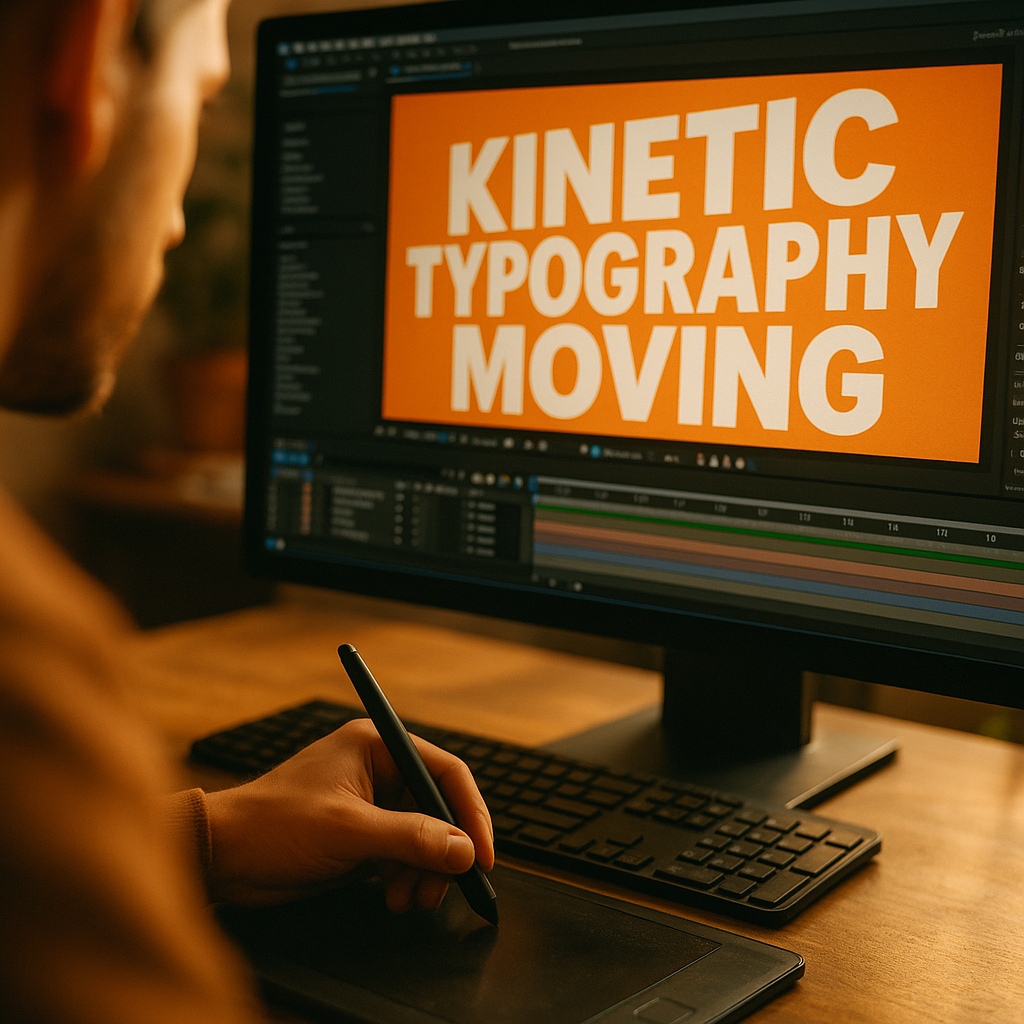
Typography trends in 2025 are being shaped by dynamic innovations, especially the creative use of “kinetic type” for retention. Brands and educators increasingly embrace movement in their messaging, using animated text to leave a stronger impression. How does this marriage of technology and design actually enhance audience recall? Discover the game-changing power of kinetic type for digital communication below.
The Rise of Kinetic Typography in Digital Branding
Kinetic typography in branding is redefining how brands connect with audiences. Unlike static fonts, kinetic typographic elements use movement, scale, and transformation to guide the user’s focus and evoke emotion. This trend is more than a fleeting style: recent engagement studies confirm that animated text increases message retention by up to 35% compared to static alternatives, especially in mobile-first campaigns.
Brands in 2025 are leveraging micro-animations to make logos and slogans memorable. Consider how streaming services, tech startups, and even financial institutions now embed motion into their digital identity. This ongoing shift elevates brand recognition, as audiences remember and engage with moving messages for longer. Kinetic typography extends branding far beyond aesthetics, making every interaction stickier and more strategic.
Enhancing User Retention With Animated Typefaces
Animated typefaces for retention introduce motion as a strategic communication tool. When viewers encounter dynamic text, the brain automatically gives it greater attention, activating both visual and cognitive pathways associated with memory. This dual engagement explains why learning modules featuring kinetic type see reduced bounce rates and stronger content recall in A/B testing.
Modern learning platforms use kinetic type to emphasize key concepts, underline calls to action, and illustrate processes. Subtle animations — like fading in important terms or pulsing headlines — draw attention precisely when needed, preventing cognitive fatigue. This method is particularly effective in mobile apps and video-based tutorials, where short attention spans can impede learning. By pairing compelling visuals with informative movement, educators and marketers guarantee higher retention rates and more loyal users.
Best Practices: Creating Effective Kinetic Typography for Engagement
Kinetic type design tips have become critical for designers aiming to boost engagement without distracting users. Not every moving font achieves its intended effect—some may even cause confusion or overwhelm. Here’s how to use kinetic typography effectively in 2025:
- Keep Motion Purposeful: Every movement should highlight meaning, not just decorate. Use animation to underscore calls-to-action or reveal information sequentially.
- Limit Duration: Quick, subtle motion is more digestible. Keep transitions under three seconds to maintain interest without fatiguing viewers.
- Prioritize Accessibility: Ensure readable contrast, avoid excessive flicker, and offer static alternatives for those with motion sensitivity.
- Maintain Brand Consistency: The animation style should align with overall brand tone and visual guidelines. Overly playful motion may not suit every industry.
- Test and Measure: Analyze user feedback, dwell time, and retention rates to refine the intensity and frequency of kinetic type interventions.
Using these principles lets designers harness kinetic type’s visual energy while delivering information efficiently and inclusively.
The Science Behind Kinetic Typography and Memory Recall
Kinetic type and memory are linked through psychological and neurological mechanisms that favor dynamic stimuli. The brain processes moving text as a novelty, activating deeper attention and, therefore, encoding the text more thoroughly into memory. This effect is amplified when movement emphasizes semantic content—like an animated keyword during a product demo.
Peer-reviewed cognitive studies indicate that learners exposed to kinetic type remember 30% more information after a week than those shown static slides. The combination of temporal (timed appearance), spatial (moving across the screen), and visual cues engages multiple senses, making the learning or marketing moment genuinely multisensory. In essence, kinetic typography transforms passive reading into active participation.
Tools and Platforms: Bringing Kinetic Typography to Life
Kinetic typography tools have never been more accessible or powerful. Designers and marketers in 2025 benefit from a wide ecosystem of tools that streamline the creation and implementation of animated type:
- After Effects: Industry-standard software for creating advanced, professional-grade kinetic type animations for video and web.
- Figma and Lottie: Collaborative design and quick animation for web apps, featuring real-time previews and easy export to production formats like SVG and JSON.
- Canva: Accessible, template-based animation features great for social media and rapid prototyping.
- Motion Page Builders: WordPress and Shopify plugins that offer drag-and-drop kinetic typography for landing pages and hero sections without deep coding knowledge.
Whether working in product promotion or elearning, the right platform streamlines workflow and ensures consistent motion effects across devices. Always test kinetic text on multiple screen sizes and environments to guarantee smooth performance for all users.
EEAT Insights: Effective, Authoritative Content With Kinetic Type
EEAT for kinetic type means providing trustworthy, accurate, and user-first content. In 2025, Google prioritizes content that not only answers a query but also delivers an engaging, frustration-free experience. Here’s how kinetic typography supports EEAT:
- Expertise: Animated type can clearly segment complex topics—like in instructional videos—so that users find information quickly.
- Experience: Authors who consistently produce well-animated, readable content foster trust. Portfolios that demonstrate case studies or real-world application show depth.
- Authoritativeness: Including brief expert tips (such as accessibility guidelines) signals thorough knowledge of best practices.
- Trustworthiness: Respect privacy and provide motion preferences; do not introduce intrusive or misleading animations.
When kinetic text is implemented with user experience in mind, it signals that your content is both contemporary and credible. The marriage of form and function is what search engines—and people—value most today.
FAQs: Kinetic Typography and Retention
-
What is kinetic typography?
Kinetic typography refers to text that moves, transforms, or animates to highlight key information and enhance viewer engagement. It is used in videos, web design, and interactive platforms to draw attention and boost message retention.
-
How does kinetic type improve information retention?
Moving text captures attention and leverages multisensory learning, which activates different cognitive channels. This makes it more likely that viewers will recall your message compared to static text.
-
Are there accessibility concerns with kinetic typography?
Yes. Always test your designs for visual clarity and minimize excessive animation. Provide users the option to disable or slow down kinetic effects to accommodate motion sensitivity or cognitive impairments.
-
Which industries benefit most from kinetic type?
Kinetic typography is popular in branding, digital advertising, e-learning, news media, and mobile app interfaces—anywhere information retention and engagement are priorities.
-
What tools can I use to create kinetic typography?
Popular tools include Adobe After Effects, Figma with Lottie, Canva, and specialized motion plugins for CMS platforms. Your choice should reflect your skill level and the platforms you target.
Kinetic type isn’t just a passing trend—it’s shaping retention-focused communication in 2025. By merging careful animation with credible content, brands and educators create memorable, user-centered experiences. Smart application of kinetic typography offers a clear competitive edge: better engagement, higher retention, and more lasting impact.