


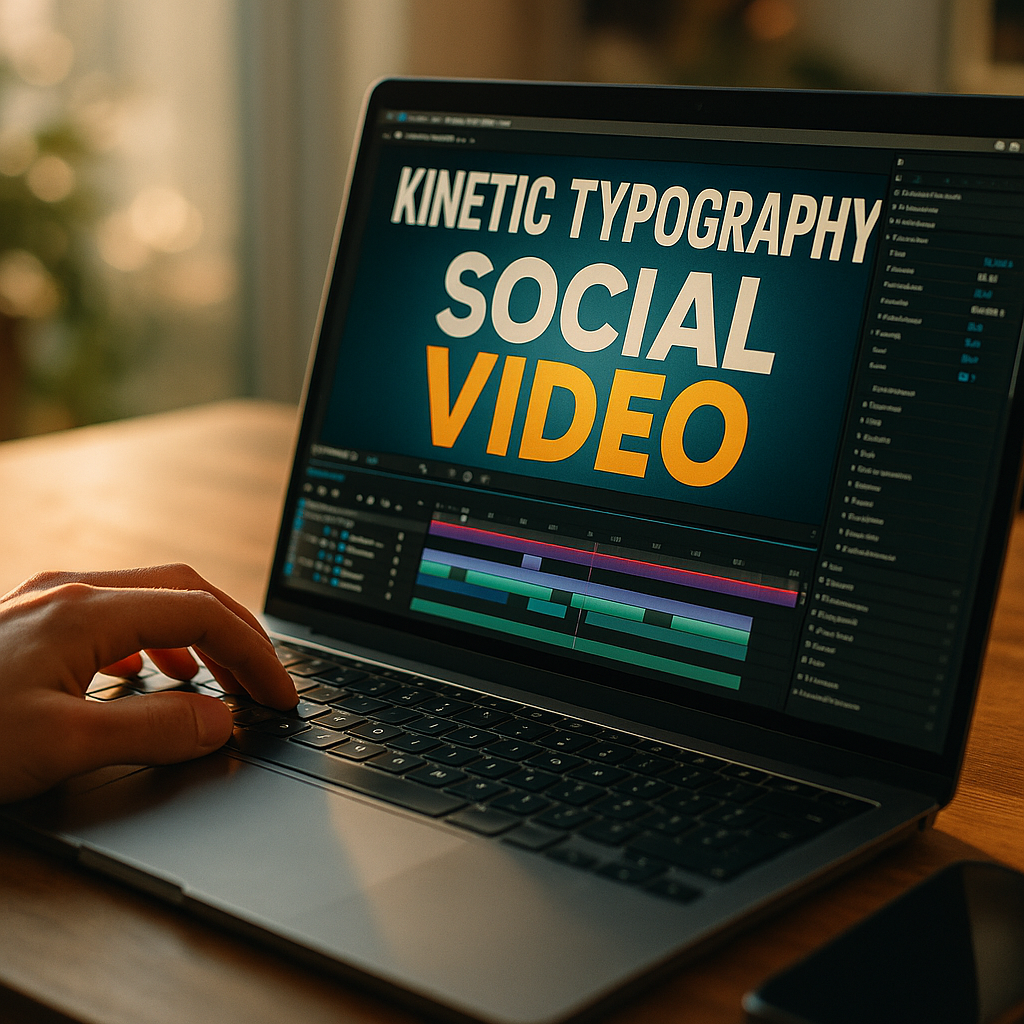
Kinetic typography trends in social video are rapidly evolving, reshaping how brands engage, inform, and captivate audiences on platforms like Instagram, TikTok, and YouTube. As users demand more immersive and accessible content, cutting-edge typographic motion is influencing video strategies worldwide. Why is kinetic typography now essential for social video success? Let’s explore the most impactful trends.
Emerging Kinetic Typography Styles in Social Video
Kinetic typography—text that moves dynamically on screen—has become an essential storytelling tool in 2025’s digital landscape. Social video creators are embracing new styles, driven by audience preferences and advances in video tools. Bold, 3D typefaces paired with vibrant gradients make captions pop in crowded feeds, while split-screen layouts blend animated text with real-world visuals for maximum context.
Recent research by HubSpot shows that videos with animated captions boost viewer retention by up to 35%—a clear sign that motion-driven typography elevates the viewing experience. The trend now leans toward:
- Handwritten and fluid fonts for a personal, authentic feel.
- Layered, multi-directional movement that draws focus to key messages.
- Color-shifting and morphing effects that respond to background music or sound effects.
Creators blend these styles for emotive, on-brand messaging that stands out in a scroll-heavy environment.
Accessibility and Engagement: Making Social Video Inclusive
Inclusive design is not just a trend—it’s a necessity. Over 80% of social videos are now consumed without sound, making kinetic typography vital for accessibility. Animated captions, bold outlines, and high-contrast color schemes ensure everyone can absorb critical information, including those with hearing loss or reading challenges.
Video algorithms on major platforms now prioritize videos with accessible features, including timed, dynamic text. Best-practice tips for maximizing engagement with kinetic typography include:
- Keep sentences concise—motion draws the eye, but complexity hampers retention.
- Sync text with audio cues for a more immersive, memorable experience.
- Test font readability across device sizes to ensure clarity on smaller screens.
Accessibility-forward kinetic typography does more than meet ethical standards—it enhances user engagement, earning longer watch times and stronger community ties.
Kinetic Typography as a Branding Tool for Social Video
In 2025, consistent, recognizable kinetic text is the new face of brand identity in social video. Companies leverage custom animated fonts, unique transition styles, and branded color palettes to reinforce recognition in an increasingly visual ecosystem. For instance, motion-stamped catchphrases and signature font animations make a brand instantly identifiable, even in silent auto-play environments.
This branding strategy isn’t just about aesthetics. Studies from Sprout Social indicate that users are 58% more likely to trust brands that maintain visual consistency across digital touchpoints. Kinetic typography offers:
- Space-efficient storytelling—delivering key messages where traditional branding (like logos) can’t fit.
- Emotional resonance, letting font movement reflect tone, urgency, or excitement.
- The ability to subtly reinforce brand values and voice in every second of content.
Forward-thinking brands treat kinetic typography as a living style guide, evolving their typographic animations in response to campaign goals and platform trends.
Tools and Technology Shaping Kinetic Typography Trends
The evolution of kinetic typography is inseparable from the latest creative tools. In 2025, AI-powered software and mobile editing suites have democratized access to advanced motion graphics, allowing both startups and global brands to innovate at scale. Leading apps include intuitive templates and generative text motion that syncs dynamically with music or voiceover.
Current technology trends include:
- Voice-to-type animation, which transcribes and animates speech in real time for live or recorded content.
- Template libraries with drag-and-drop kinetic text, enabling rapid prototyping and brand consistency.
- Responsive text scaling, ensuring typography adapts seamlessly to vertical, square, or horizontal video formats.
AI personalization is taking off. Smart tools now analyze brand assets and recommend on-style kinetic typography, further streamlining production and maintaining a consistent digital footprint across multiple channels.
Measuring Impact: Analytics for Kinetic Typography in Social Video
ROI is a top concern for brands investing in motion-driven design. Modern video analytics platforms provide real-time data on view duration, text retention, and engagement rates—focusing on how kinetic typography influences viewer behavior. Brands increasingly rely on:
- Heatmaps tracking where viewers pause or replay animated text moments
- Split testing of typographic styles to optimize for click-throughs and shares
- Accessibility compliance reports to verify that kinetic captions meet platform and legal standards
EEAT (Experience, Expertise, Authoritativeness, Trustworthiness) principles highlight the value of holistic analytics. Data-driven insights empower video teams to refine typographic strategies, ensuring each new trend delivers measurable returns while fostering brand integrity.
Future Directions: Where Kinetic Typography is Headed Next
Kinetic typography in social video is still evolving. Looking ahead, expect to see interactive text overlays inviting user input or reactions, responsive AI-generated typography that shifts based on viewer emotion, and even tactile experiences via haptic feedback on mobile devices. As AR and VR platforms mature, 3D kinetic text will increasingly merge with environmental content for fully immersive experiences.
Ethical AI usage and data privacy remain top concerns—smart creators balance innovation with trust. As audience expectations shift toward personalization, transparency, and accessibility, kinetic typography will continue to anchor the most compelling social video strategies.
FAQs: Kinetic Typography Trends in Social Video
-
What is kinetic typography?
Kinetic typography refers to text that moves or animates on screen, adding emphasis, emotion, and clarity to video content. It enhances storytelling, boosts accessibility, and keeps viewers engaged in social videos. -
Why is kinetic typography important in social video?
With most users viewing videos without sound, kinetic typography ensures key messages are delivered visually. It increases retention, supports accessibility, and strengthens branding across crowded feeds. -
What tools are used for kinetic typography in 2025?
AI-powered video editors, mobile apps with motion presets, and cloud-based animation platforms enable creators to produce professional kinetic text easily. Top choices offer real-time voice-to-type features and responsive layouts for all video formats. -
How can kinetic typography improve accessibility?
Animated captions, high-contrast text, and clean, readable fonts ensure videos are understandable by everyone—including viewers with hearing impairments or reading challenges—meeting inclusivity and legal requirements. -
What are the top kinetic typography trends for this year?
In 2025, trends include bold 3D type, color-morphing movement synced to audio, handwritten fonts for authenticity, and branded motion templates designed for vertical and interactive video formats.
Kinetic typography trends in social video are transforming viewer expectations and brand performance. By adopting bold styling, prioritizing accessibility, and measuring real engagement, creators and marketers can future-proof their content strategies for maximum impact—while staying ahead in the ever-shifting world of social media video.