


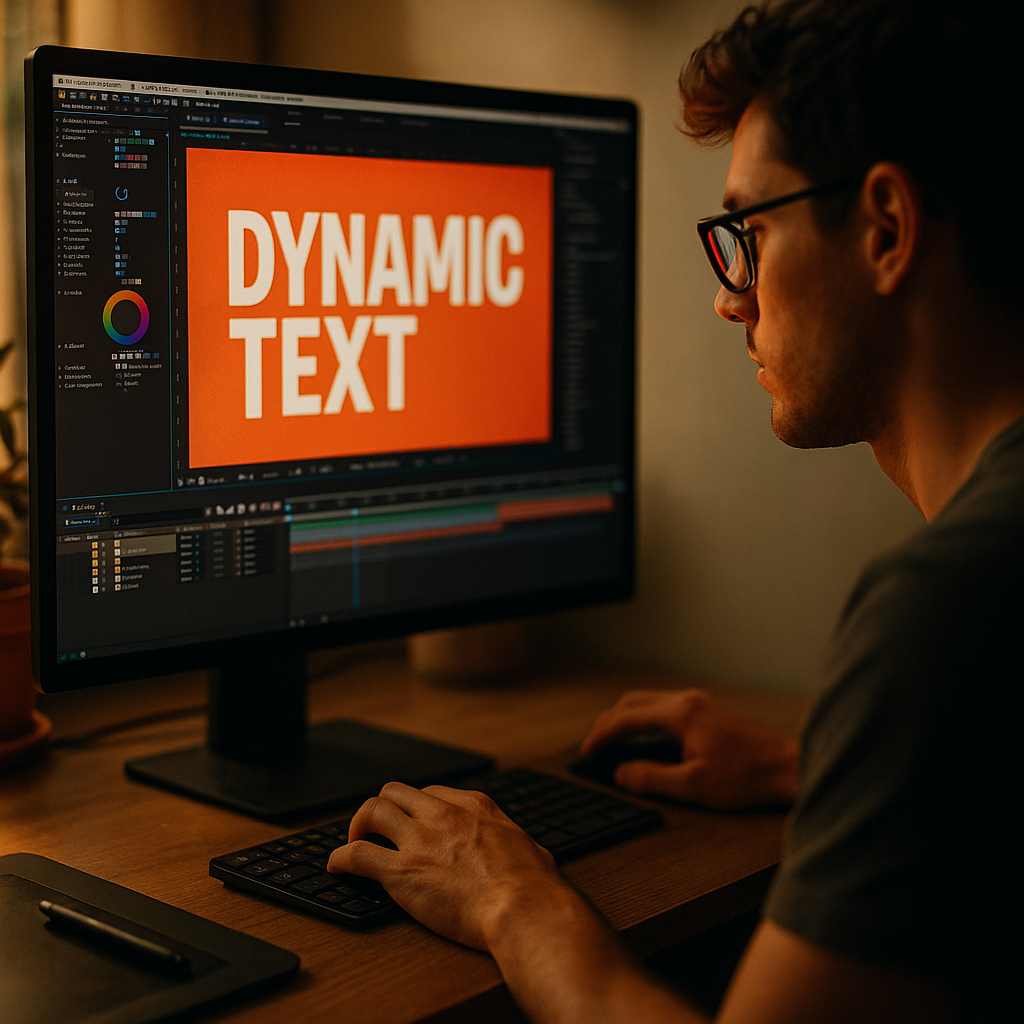
Typography as a visual hook is revolutionizing digital design through kinetic text trends, captivating audiences and enhancing brand communication. In 2025, businesses and creators leverage animated typography not just for aesthetics, but to drive engagement and convey bold messages with impact. What are the latest kinetic text trends, and how can you master them for maximum effect?
The Rise of Kinetic Typography in Digital Storytelling
Kinetic typography refers to text that moves, morphs, or animates to add dynamism to digital experiences. As audiences crave more immersive content in 2025, brands and creators are turning to moving text to break the monotony of static presentations. According to a 2024 Adobe Creative Trends report, content featuring kinetic typography commands up to 30% higher engagement rates on social platforms than static alternatives.
Animated text transforms ordinary words into compelling visuals, making messages more memorable and emotionally charged. Whether it’s a product video, website banner, or social story, designers use kinetic typography to guide viewers’ attention and reinforce branding in seconds. As storytelling increasingly shifts toward video, kinetic text plays a central role in bridging visuals and narrative, setting the tone without saying a word aloud.
Kinetic Text Design: Best Practices for Visual Communication
Effective animated typography relies on thoughtful design principles and clear communication objectives. To harness the power of kinetic text trends:
- Prioritize Readability: Choose typefaces and animations that enhance, rather than distort, textual clarity. Subtle transitions often outperform complex effects.
- Align with Brand Identity: The movement, speed, and style of typography should reflect your brand personality—playful, authoritative, innovative, or minimalist.
- Emphasize Key Messages: Use motion strategically to highlight core phrases or calls to action. Avoid animating every element, which can dilute impact.
- Consider Accessibility: Ensure kinetic text remains accessible to all users. Provide ample contrast, allow pausing, and avoid rapid flickering that could trigger discomfort.
By building kinetic text into the visual hierarchy, brands create memorable moments that drive retention and actionable responses.
Trending Animation Styles Shaping Typography in 2025
Kinetic text trends continually evolve as technologies advance and consumer expectations shift. In 2025, the following styles dominate creative direction:
- Liquid and Morphing Transitions: Type that flows like liquid or seamlessly morphs between fonts and shapes embodies adaptability and futuristic themes.
- Layered and Overlapping Motion: Multiple text layers slide, fade, or rotate to create depth—ideal for brands aiming to convey complexity or movement.
- Responsive Micro-Animations: Text reacts subtly to user interactions, such as hovering or scrolling, adding delightful feedback loops in web and app experiences.
- Bold Color Pops and Gradients: Lively color transitions catch the eye, turning simple phrases into energetic focal points.
- Seamless Integration with Video: Kinetic typography blends fluidly with live-action or 3D graphics for an editorial cinematic effect.
Case studies from top agencies in 2025 reveal that integrating kinetic text with audio cues and other sensory elements further boosts engagement and retention metrics.
Tools Powering Next-Level Kinetic Typography
Modern creative tools are making it increasingly seamless to implement sophisticated kinetic text in both video and web projects. Platforms like Adobe After Effects, Figma, and advanced web animations libraries (such as GSAP and Lottie) empower designers to experiment without extensive coding expertise.
AI-driven solutions are also emerging in 2025, automating tedious animation tasks and optimizing readability in real time based on device and context. These tools suggest best-fit animations for given content, helping content creators achieve professional results efficiently. Investing time in learning these technologies can give brands and designers a competitive edge as kinetic typography standards rise.
Impact of Kinetic Typography on Brand Engagement
Animated typography acts as a magnetic visual hook, enabling brands to connect emotionally and stand out in crowded digital spaces. Recent analytics from major marketing platforms highlight:
- Higher recall rates for campaigns featuring kinetic text, especially for key product features or taglines
- Significant increases in time spent on web pages where kinetic headings or banners are present
- Improved conversion rates when calls to action are accentuated through movement and color
Kinetic text also promotes inclusivity—a strategic use of readable, accessible animation expands audience reach. When deployed consistently, moving typography becomes synonymous with brand voice, reinforcing identity across channels and campaigns.
Future Directions: Staying Ahead with Typography as a Visual Hook
Staying ahead in the kinetic typography space requires continuous innovation and attention to audience feedback. As augmented reality (AR) and virtual reality (VR) technologies mature in 2025, designers are experimenting with 3D kinetic text that users can interact with spatially. Voice-controlled and AI-personalized text animations are also predicted to emerge as mainstream tools.
Organizations should monitor analytics closely, test new trends cautiously, and prioritize meaningful motion that supports—not distracts from—core messages. Collaboration between creative, marketing, and accessibility teams ensures every animated text campaign achieves maximum clarity and resonance.
In 2025, typography as a visual hook through kinetic text is vital for impactful digital storytelling. Brands that embrace emerging trends, prioritize clarity, and leverage modern tools will capture audience attention and foster deeper engagement in an ever-evolving digital landscape.
FAQs on Typography as a Visual Hook and Kinetic Text Trends
-
What is kinetic typography?
Kinetic typography refers to animated or moving text used in digital media to communicate information dynamically. It combines motion and type to enhance storytelling, capture attention, and drive engagement across video, web, and mobile platforms.
-
Why use kinetic text as a visual hook?
Kinetic text draws viewers’ eyes, emphasizes key messages, and creates more engaging digital experiences. It makes content more memorable, increases interaction rates, and can strengthen brand identity in crowded digital spaces.
-
How can I make my kinetic typography accessible?
Ensure sufficient color contrast, provide controls to pause or stop animations, avoid rapid flashes, and use clear, legible typefaces. Accompany kinetic text with alt descriptions or transcript options where possible to serve all users.
-
What are the top tools for kinetic text in 2025?
In 2025, popular tools include Adobe After Effects for advanced animations, Figma and Canva for web and app prototypes, and animation libraries like GSAP or Lottie for code-based implementations. AI-driven platforms are also automating aspects of kinetic typography creation.
-
Are there any risks with overusing kinetic text?
Yes, excessive or poorly executed animation can overwhelm users, decrease clarity, and negatively impact accessibility. Use kinetic typography purposefully: only animate what strengthens your core message and enhances viewer understanding.