


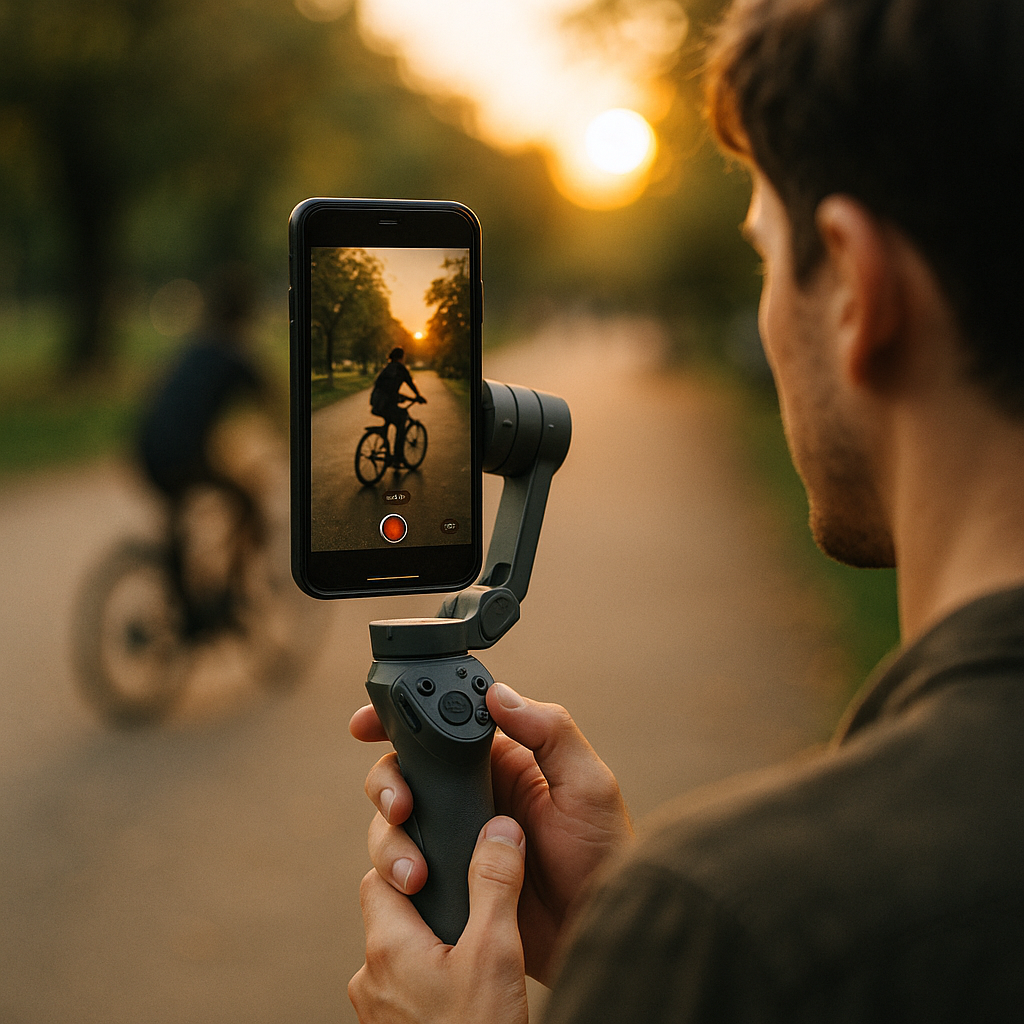
Creating professional videos no longer demands expensive cameras—knowing how to film high-quality content on a smartphone unlocks incredible creative flexibility. With recent advances in mobile camera tech and simple best practices, anyone can record crisp, cinematic videos. Curious how you can maximize your smartphone’s potential for stunning content? Read on to master mobile videography.
Master Smartphone Camera Settings for Superior Clarity
Modern smartphones are loaded with powerful cameras, but auto-mode isn’t always the path to pro-quality results. Optimal camera settings form the backbone of high-definition content. Begin by identifying your phone’s resolution and frame rate options. For most platforms, 1080p or 4K resolution at 24-60 frames per second yields sharp, detailed video. Higher frame rates are ideal for action shots, while 24fps adds a cinematic look.
Enable grid lines in your camera app. Grids help you compose shots with balanced framing, following the rule of thirds. Experiment with manual or “Pro” mode: you’ll gain control over ISO, white balance, and focus. Lock exposure and focus on your subject to prevent distracting shifts during recording.
Tip: Clean your phone’s lens before every shoot—even a fingerprint can dramatically reduce image quality.
Leverage Natural and Artificial Lighting
Lighting is everything in videography. The most high-tech camera struggles in poor light conditions, so prioritize this secondary keyword: proper lighting. Whenever possible, shoot in natural daylight—morning and late afternoon provide soft, flattering light. Avoid direct sunlight, which produces harsh shadows.
Indoors, face a window or use ring lights and portable LED panels. Many 2025 smartphones handle low-light better, but you’ll still want extra illumination for crispness and true colors. Position your key light at a 45-degree angle to create dimensionality.
- Avoid backlighting unless shooting a silhouette
- Diffuse harsh lights using white fabric or softboxes
- Experiment with color temperature for mood—most smartphone cameras offer a “warm-cool” slider
Stabilize Your Shots with Tripods and Gimbals
Shaky hands are the enemy of professional content. Even the most advanced video stabilization software can’t match the clarity of a stable recording. Invest in a tripod or smartphone mount for rock-steady shots. Simple tabletop tripods are inexpensive and remarkably effective.
If you’re shooting on the move, consider a handheld gimbal. These motorized devices use gyroscopes to keep footage silky-smooth, even as you walk or run. In a pinch, brace your arms against a sturdy object or rest your phone on a flat surface. Your audience will appreciate smooth, immersive viewing.
- Use the self-timer to prevent shake during start/stop
- Practice slow, deliberate camera movements for cinematic feel
- Most 2025 smartphones come with built-in stabilization—enable this feature for added security
Record Crisp Audio for Professional Appeal
Over 50% of viewers stop watching videos with poor sound, according to 2024 platform analytics. For truly high-quality smartphone content, never neglect audio. The built-in mic captures ambient noise and can distort voices. Instead, use a wired lapel mic, wireless Bluetooth mic, or, for vlogs and interviews, a shotgun mic that plugs into your phone.
Monitor your sound with headphones before and during recording if possible. Record in quiet spaces; turn off fans, AC, or other appliances. Apps like Dolby On and Voice Record Pro provide extra control over recording quality and help reduce background noise.
- Set your phone to “airplane mode” to avoid notification pings
- Record a short test clip to check sound levels
- Use in-app audio filters for real-time improvement
Edit and Enhance With Mobile Apps
Shooting is only half the story. Upgrading your video during editing can make the difference between amateur and standout results. Apps like CapCut, LumaFusion, and Adobe Premiere Rush (all updated for 2025) offer intuitive interfaces for trimming clips, adding filters, adjusting colors, and overlaying music or text.
Edit with storytelling in mind: open with a hook, pace your footage for engagement, and end on a memorable note. Use color correction to balance skin tones and backgrounds; apply transitions sparingly for a sleek, modern finish. Don’t over-edit— clarity is key for most social platforms and blogs.
- Consistent color grading strengthens your brand aesthetic
- Use subtitles to improve accessibility and boost engagement
- Export at the highest resolution supported by your platform
Optimize for Each Platform’s Algorithm
No matter how polished your video, algorithms control what gets seen on social media. To maximize views for your smartphone content, adapt each edit for your intended channel in 2025:
- Instagram/TikTok: Favor vertical (9:16) or square (1:1) formats, keep videos under 60 seconds, add trending music or effects
- YouTube: Horizontal (16:9) is standard, though Shorts use vertical; aim for sharp intros and optimized thumbnails
- LinkedIn/Facebook: 1:1 or 4:5 ratio excels, subtitles are crucial for autoplay viewers
Include relevant keywords in your title, description, and tags. Finally, upload during peak hours for your audience. Platforms like YouTube Studio, Meta Business Suite, and TikTok Analytics (all accurate as of 2025) provide essential upload-time insights.
FAQs: High-Quality Smartphone Filming in 2025
-
What smartphone specs matter most for content creation?
Prioritize high-resolution cameras (at least 12MP), strong optical image stabilization, advanced manual controls, and good low-light capabilities when choosing a device for filming high-quality smartphone content.
-
Can I film professional content without buying extra equipment?
Yes. Natural lighting, steady hands, and smart editing can suffice. However, affordable tripods and external microphones can substantially boost video and audio quality, making your content appear more professional with minimal investment.
-
How do I avoid blurry footage?
Keep your lens clean, focus manually, stabilize your phone, record at a higher resolution, and avoid rapid movement. Lock auto-focus and exposure on your subject to prevent unwanted shifts during filming.
-
What editing apps are best in 2025?
LumaFusion, CapCut, and Adobe Premiere Rush lead for in-depth mobile video editing. Each offers tools for trimming, color correction, music integration, and exporting in various formats suited for different platforms.
-
How do I ensure good lighting indoors?
Face natural windows, use ring or LED lights, and avoid lights placed directly behind your subject. Soft, indirect lighting creates flattering, professional results for high-quality smartphone filming.
Filming high-quality content on a smartphone is easier and more accessible than ever in 2025. With optimized settings, thoughtful lighting, steady shots, crisp audio, and smart editing, your mobile content can shine on any platform. Start applying these steps today—and watch your creations stand out in a crowded digital world.