


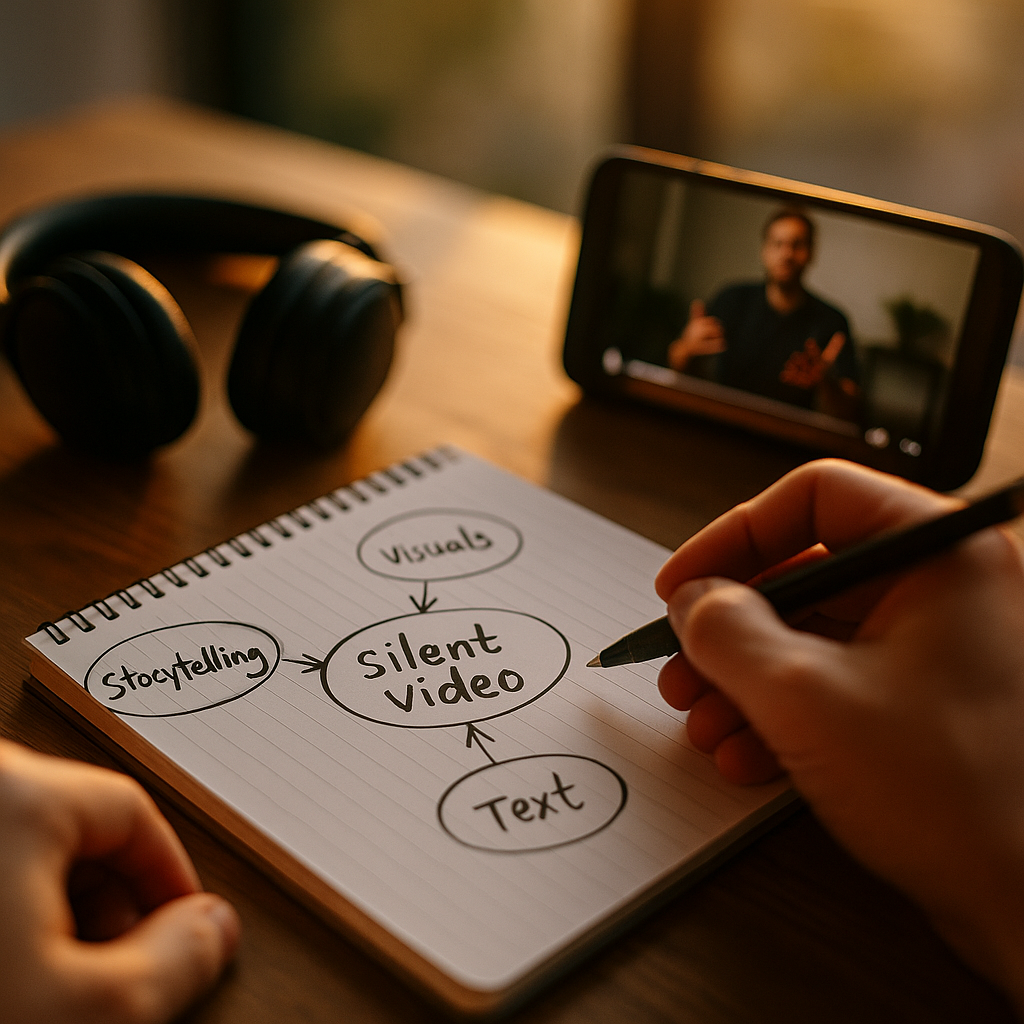
Sound-off storytelling is now a necessity for brands and creators looking to optimize for silent viewing. Consumers increasingly watch video with the sound muted—and expect seamless engagement nonetheless. Learn the strategies, best practices, and essential tools to maximize your reach and impact in the new era of silent-first content consumption.
Why Silent Viewing Dominates Digital Habits
As mobile video explodes in popularity, silent viewing habits have followed. In 2025, more than 85% of social media videos are watched without sound, according to market research firm Statista. The reasons are multifaceted: viewers scroll social feeds in public, rely on their own playlists, or want to avoid interrupting others. Algorithms on platforms like Instagram, Facebook, LinkedIn, TikTok, and YouTube Shorts default to autoplaying videos without audio. For brands and creators, this means mastering sound-off storytelling isn’t a fleeting trend—it is a foundation of digital engagement.
Failing to optimize for silent viewing risks losing the vast majority of your audience’s attention. Instead, creating content that is visually compelling and clear without sound ensures accessibility and maximizes inclusivity. Additionally, it supports compliance with disability access guidelines by catering to people with hearing impairments.
Core Principles of Sound-Off Storytelling
At the heart of compelling silent viewing are several storytelling principles:
- Visual Clarity: Your message must be instantly recognizable through imagery, motion, and text, even if no sound is present.
- Concise Messaging: Silent viewers have less patience for ambiguity. Stick to a single, clear call-to-action or idea per video.
- Strategic Use of Text: Subtitles, bold captions, and expressive graphics are no longer optional but essential communication tools for silent audiences.
- Emotional Engagement: Use expressive faces, gestures, and visual storytelling techniques to establish tone, spark curiosity, and elicit response—no dialogue or narration required.
By refining these principles, creators produce videos that not only retain viewers but prompt shares, comments, and conversions, even if the audio is never unmuted.
Effective Use of Captions and On-Screen Text
The most direct method for optimizing silent viewing is integrating readable, branded captions. According to an Adobe survey, 76% of U.S. consumers are more likely to watch an entire video if subtitles are available. Here’s how to maximize your caption impact:
- Auto-Captioning Tools: Platforms like YouTube, Instagram, and TikTok offer automatic captioning. While convenient, always review and edit for accuracy and timing.
- Custom Text Graphics: Overlay punchy, high-contrast text to highlight key points, add branded emotion, and keep viewers oriented. Use large fonts and accessible color palettes for readability.
- Captions vs. Subtitles: Captions include non-speech information like [applause] or [music] cues, while subtitles focus on dialogue. For most branded content, concise captions are enough, but consider full subtitles for narrative-driven pieces.
- Design Consistency: Use your brand’s fonts, color schemes, and animation style to reinforce identity and increase recall, even in 10-second video snippets.
Accessibility is a core principle of Google’s EEAT (Experience, Expertise, Authoritativeness, Trustworthiness) standards. Well-crafted captions serve both silent viewers and users with hearing impairments, demonstrating a commitment to all audiences.
Visual Storytelling Techniques That Stand Out
With or without dialogue, visual storytelling is essential for grabbing attention. The best performing silent videos in 2025 utilize visual cues, expressive action, and motion-driven design. These proven techniques will enhance your sound-off content:
- Expressive Close-Ups: Tight shots of faces, hands, and reactions convey emotion and intent clearly, even on small screens.
- Sequential Imagery: Break complex ideas into step-by-step visual sequences: think recipes, DIYs, tutorials, or product demos, all communicated through actions and highlights.
- Dynamic Graphic Animation: Incorporate animated icons, arrows, and highlighted text to direct the viewer’s attention and illustrate key messages.
- Bold Color Coding: Use color to link steps, signal urgency, or differentiate between choices without requiring narration.
- Branded Visual Hooks: Start videos with recognizable logos, mascots, or consistent transition effects within the first second for instant brand association.
Pairing these techniques with fast-paced editing and visually engaging transitions keeps silent viewers locked in—crucial for beating the modern audience’s attention span of less than 3 seconds.
Optimizing for Platform-Specific Silent Viewership
Every social platform has its own silent viewing quirks. Here’s how to tailor your strategy for 2025’s top channels:
- Instagram and Facebook: Both platforms default to silent autoplay. Prioritize square or vertical formats with large captions and visual-first hooks. Leverage Stories’ interactive stickers or carousel image/video combos for maximum engagement.
- LinkedIn: Business audiences respond well to overlayed statistics, step-by-step explainer visuals, and branded case studies with crisp, readable captions.
- TikTok and YouTube Shorts: Short-form vertical videos must hook with movement and captions in the top half of the screen to remain above interface clutter. Use bold, animated overlays and leverage TikTok’s trending visual effects.
Regularly test performance metrics like completion rate, watch time, and interaction over silent versus sound-on video versions. EWOM (electronic word-of-mouth) studies show that videos natively optimized for silent play outperform merely repurposed content by double-digit margins on most platforms.
Analysing Performance and Continuous Improvement
Optimizing for silent viewing is not a one-off task—it demands ongoing measurement and adaptation. Leverage platform analytics to assess:
- Viewer Retention: Are viewers dropping off before captions appear or key visuals are presented?
- Completion Rate: Do users watch more of your video when captions are shown versus when they’re missing?
- Engagement Metrics: Are shares, saves, or comments higher on silent-optimized videos? Use A/B testing to pinpoint content changes that drive metrics upward.
- Accessibility Reports: Solicit user feedback directly through polls or reviews to confirm that viewers with different needs find your content engaging and clear.
Apply findings to refine your templates and standards. In 2025’s highly competitive digital landscape, only those who adapt quickly—and measure rigorously—will consistently outperform their peers.
Frequently Asked Questions
-
Why is optimizing for silent viewing important in 2025?
Most viewers watch videos with sound off, especially on mobile and social platforms. Optimizing for silent viewing boosts audience retention, accessibility, and brand perception in an age of distraction and multitasking.
-
What’s the best way to add captions to my videos?
Use native auto-captioning tools on major platforms for speed, then manually edit for accuracy. Alternatively, branded overlay captions provide better control over design and positioning, improving both accessibility and visual impact.
-
Do visual-first videos outperform traditional, sound-dependent ones?
Yes. Silent-optimized videos generate higher completion and engagement rates, particularly on feeds where users expect instant, soundless entertainment. Recent data shows up to 65% increased engagement for silent-first content.
-
How can I measure the success of my silent-optimized videos?
Track viewer retention, completion rates, and engagement metrics (shares, comments, saves) on platform analytics. Compare numbers on silent-first versus regular videos, and apply insights for continuous improvement.
-
What are common mistakes to avoid?
Ignoring captions, using illegible or small text, and relying too heavily on spoken dialogue are key pitfalls. Always test your video on mute and prioritize readable, brand-consistent visual cues.
Mastering sound-off storytelling unlocks engagement, boosts inclusivity, and future-proofs your brand for the new digital viewing era. Optimize every video for silent audiences—and watch your results, reach, and reputation surge.