


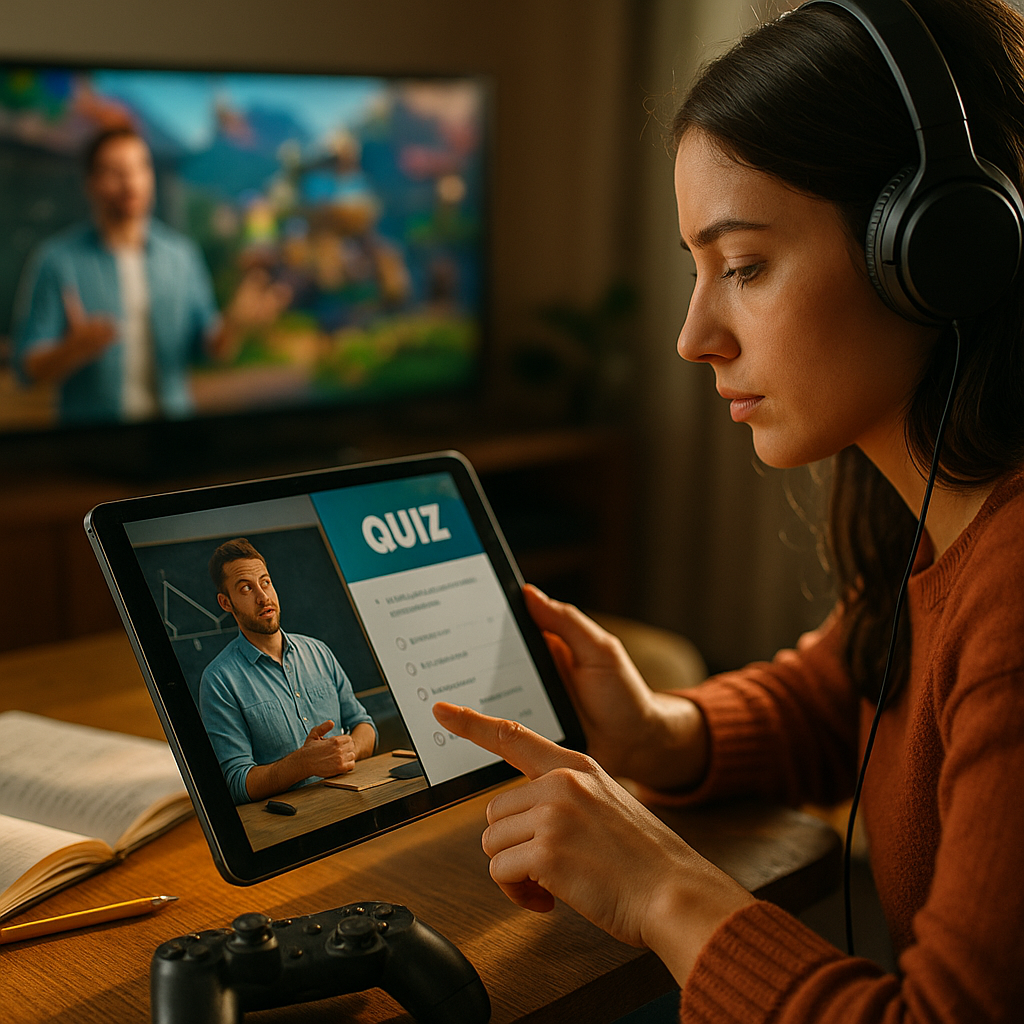
Finding the right educational content vs entertainment content balance is essential for creators, learners, and platforms striving to foster knowledge while engaging audiences. In today’s fast-paced digital ecosystem, how can you create or curate content that is both enriching and entertaining? Discover expert strategies to perfect that equilibrium—and why doing so matters more than ever in 2025.
Why Balancing Educational and Entertainment Content Matters
Striking a balance between educational and entertainment content is critical for modern media consumption, especially as attention spans shrink and content options multiply. According to a 2024 Pew Research report, over 70% of digital learners seek content that is both informative and enjoyable. This integration promotes better knowledge retention, higher engagement, and increased motivation among learners of all ages. An educational experience infused with entertainment keeps users coming back, while content that leans too far in either direction risks losing its audience or its substance.
Understanding Learner Engagement in Educational Content Creation
Audience engagement is the cornerstone of impactful educational media. Without sufficient engagement, even the most insightful tutorials may fail to resonate. Entertainment content plays a vital role here by adding relatability, humor, and narrative structure to otherwise dense material. However, credibility and factual accuracy must remain priorities. Effective educational content creation relies on storytelling, gamification, and interactive elements—methods that have been shown in multiple studies to enhance learning outcomes.
For educators and content creators, the challenge lies not just in the mixture but in adjusting the ratio according to their audience’s needs. For example, K-12 students might require more entertaining elements for motivation, while adult learners may prioritize comprehensive insights with concise, engaging delivery.
Best Practices for Combining Education and Entertainment Content
To attain the ideal educational content vs entertainment content balance, apply proven strategies:
- Know Your Audience: Tailor content style, examples, and depth to your viewers’ preferences and backgrounds.
- Emphasize Storytelling: Frame lessons with real-world narratives or scenarios to enhance relevance and memorability.
- Incorporate Visual and Interactive Elements: Use animations, infographics, quizzes, and polls to encourage participation and understanding.
- Stay Credible: Fact-check rigorously and cite recent or authoritative sources to build trust.
- Avoid Gimmicks: Entertainment should serve the learning objective—not distract from it.
- Solicit Feedback: Use analytics and direct user input to iterate and fine-tune your approach.
Applying these best practices ensures that content does not merely entertain but also delivers real educational value—aligning with Google’s EEAT standards for experience, expertise, authoritativeness, and trust.
Adapting the Balance for Various Platforms and Age Groups
With the explosion of short-form video and live streaming, platforms like TikTok, YouTube, and Instagram have become fertile ground for educational entertainment—or “edutainment.” However, each platform and age group demands a nuanced approach. For younger users, brief, interactive, and visually dynamic pieces work best, while older or professional audiences may appreciate in-depth explainers supplemented by compelling stories.
In corporate training, edutainment can break down complex compliance topics through gamification, increasing course completion rates by up to 30% compared to traditional modules (LinkedIn Learning, 2024). Meanwhile, academic platforms like Coursera and Khan Academy blend video lectures, storytelling, and assessment tools to keep higher education learners motivated. Understanding your delivery medium and demographic is the key to calibrating the right blend for optimal outcomes.
Content Curation and the Role of Algorithms in 2025
Automated recommendation systems and personalized feeds are now central to content discovery. In 2025, AI-driven platforms are increasingly adept at suggesting content that adapts to user preferences for education versus entertainment. While this can boost relevance and viewer satisfaction, creators must be mindful of inherent biases and echo chambers that can result from narrowly tailored feeds.
Content curators and educators play a vital gatekeeping role. They must ensure that educational integrity is not sacrificed for purely sensational or viral entertainment. Unlike traditional media gatekeepers, digital curators must strike this balance in real time by leveraging feedback, analytics, and periodic audits of recommended material. Ultimately, responsibility for a healthy educational content vs entertainment content balance lies with both human oversight and algorithmic transparency.
Future Trends: What’s Next for Edutainment?
As we move deeper into the digital age, emerging technologies such as AR/VR and interactive streaming promise to further blur the lines between education and entertainment. In sectors from language learning to workplace upskilling, immersive experiences make learning more engaging and practical. Data from a 2025 Statista survey suggests that over 60% of Gen Z users now prefer hybrid content for self-improvement and skill development.
Expect more personalized, adaptive learning journeys powered by artificial intelligence, real-time feedback, and social collaboration. Additionally, microlearning—short, targeted learning bursts—will continue to rise, meeting the demands of busy, on-the-go users seeking maximum efficiency without sacrificing engagement. The successful content of tomorrow will seamlessly blend rigorous educational standards with innovative, enjoyable formats.
Frequently Asked Questions (FAQs) About Balancing Educational and Entertainment Content
-
Why is it important to combine education with entertainment?
Combining the two increases motivation, engagement, and knowledge retention, leading to better learning outcomes and a more enjoyable user experience.
-
What happens if content is too educational or too entertaining?
Content that is overly educational can feel dry or intimidating, driving users away. On the other hand, content that is too focused on entertainment may lack substance, reducing its informational value.
-
How can creators find the right balance?
Understand your audience, use storytelling, incorporate interactivity, maintain credibility, and continuously gather feedback to adjust your approach.
-
Are there risks in blending educational and entertainment content?
Yes. Entertainment elements can sometimes overshadow the educational message or compromise credibility if not carefully managed. Ensure entertainment always supports, rather than distracts from, learning goals.
-
What are examples of successful edutainment formats?
Popular formats include gamified courses, interactive videos, educational podcasts with humor, and explainers with real-world narratives. Platforms like YouTube and TikTok showcase many compelling examples.
In summary, achieving the right educational content vs entertainment content balance is crucial for maximizing impact in digital learning. By understanding your audience, integrating dynamic engagement strategies, and upholding educational integrity, you can create content that truly educates and entertains—driving both learning and loyalty in 2025 and beyond.