


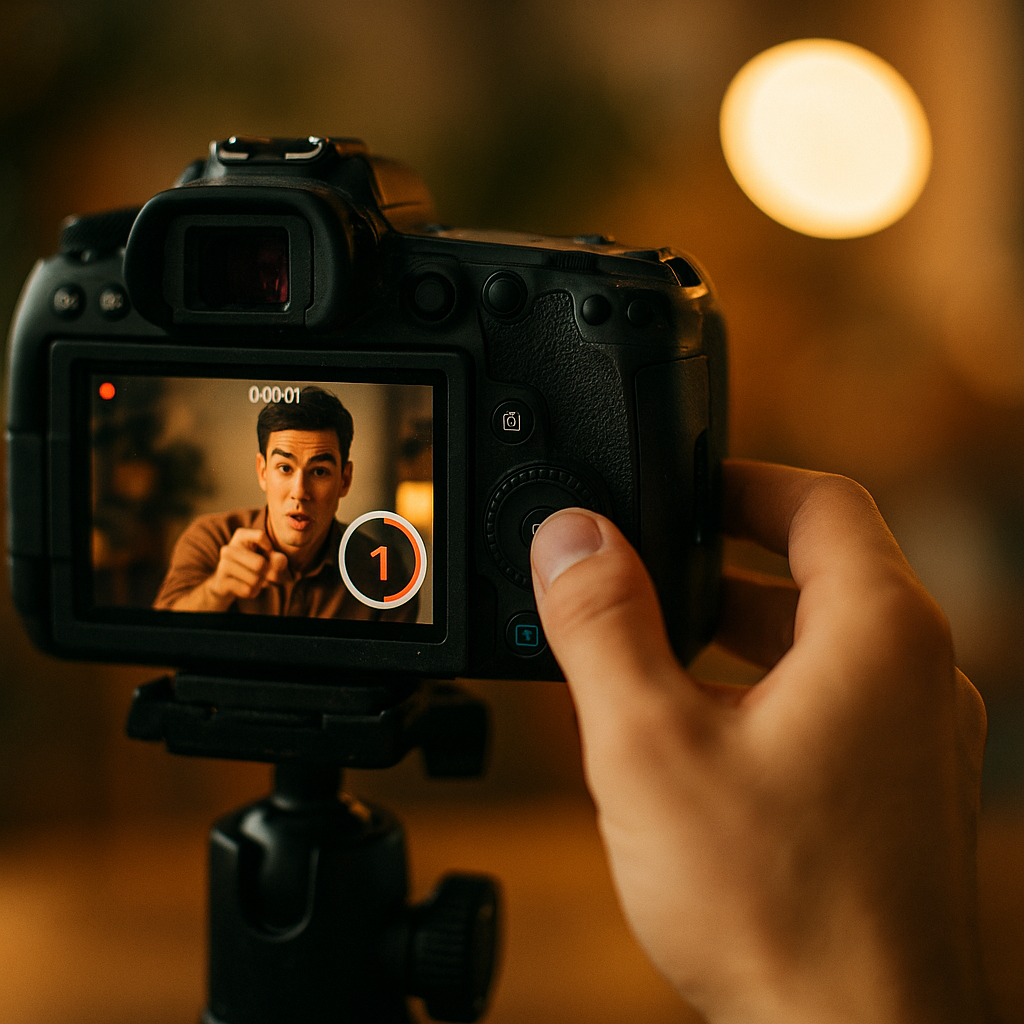
The first 3 seconds of your video are crucial—this is when visual hooks wield their power, capturing viewers before they scroll away. In today’s fast-scrolling landscape, crafting an irresistible opening isn’t optional: it’s vital. Learn how to design engaging starts that maximize watch time, retention, and conversions—your audience’s attention depends on it.
Why Do Visual Hooks Matter in Video Marketing?
Visual hooks are the creative elements—cuts, graphics, colors, or unique scenarios—that immediately command audience attention. With user scroll speed at an all-time high in 2025, grabbing attention in those first 3 seconds now directly impacts engagement and algorithmic promotion. According to a recent Wyzowl report, 85% of online users decide whether to continue watching a video within the opening 3 seconds.
Platforms like TikTok, Instagram Reels, and YouTube Shorts reward videos that generate quick engagement. Videos with powerful visual hooks see:
- Higher average watch times
- Lower drop-off rates
- More shares, follows, and conversions
In short, your video’s future is decided in its opening moments. Winning those seconds sets the trajectory for your entire campaign.
The Psychology Behind the First 3 Seconds
The science of visual hooks lies in the brain’s rapid filtering of stimuli. Human attention spans have narrowed in the mobile era; Microsoft’s latest Attention Span Index pins it at just over 8 seconds, but most people make their initial decision to keep watching in under 3. In a saturated content landscape, the mind automatically ignores anything that doesn’t stand out.
Effective visual hooks trigger curiosity, surprise, or emotion. For example:
- Curiosity: Showing an unexpected image or puzzle
- Surprise: A plot twist or unconventional setting
- Emotion: Relatable facial expressions or striking mood shifts
Viewers respond subconsciously to these hooks, making them more likely to stay past those critical first seconds.
Crafting Compelling Video Intros: Best Practices in 2025
To create irresistible video intros, use these actionable strategies proven by creators and marketers:
- Start with Motion: Animated graphics or rapid movement stand out more than static shots. Motion grabs attention and signals viewers that something interesting is happening.
- Big, Bold Visuals: Use contrasting colors, large text overlays, or eye-catching props. Clarity is key when audiences make lightning-fast judgments.
- Personalization: Address viewers directly with a warm greeting or a provocative question tailored to their interests and pain points.
- Avoid Non-Essential Branding: Skip lengthy intros and logos—branding can appear later. Lead with compelling content, not commercial signals.
- Tease the Value: Promise the ‘payoff’ early through captions, voiceover, or compelling visuals. Let viewers know what they’ll gain by watching through.
Audit your analytics to see which openings lead to higher retention. Testing different techniques helps discover your most effective hook formula.
Types of Visual Hooks That Work in 2025
Effective video hooks have evolved with new algorithms and viewing habits. Here’s what top creators and marketers are using this year:
- Jump Cuts: Start with a quick, context-changing edit that moves the story forward immediately.
- Relatable Human Moments: Candid expressions, real reactions, and micro-storytelling spark instant connection.
- High-contrast Captions: Bold text overlays summarize the value proposition in seconds, especially essential in muted autoplay environments.
- Props & Physical Effects: Unexpected objects entering the frame or set design changes draw curiosity and distinguish your video.
- Immediate Demonstrations: Show, don’t tell—launch right into the most visually impactful part of your message before introducing context.
- Pattern Interrupts: Use an unpredictable event (e.g., upside-down camera, abrupt music cut) to break the viewer’s scrolling trance.
Combine two or more hook types for even greater effect. But always ensure the hook relates authentically to your content.
Optimizing Visual Hooks for Each Platform
Different platforms reward specific video hook styles. Tailor your intro techniques for maximum reach and impact:
- TikTok: Leverage full-screen visuals, text pop-ups, and trending audio. Open with a bang—users expect snappy, high-energy content.
- Instagram Reels: Use on-brand colors and large, readable captions. Instagram’s audience values aesthetic cohesion; make your intro both captivating and visually pleasing.
- YouTube Shorts: Deliver high-contrast visuals and tease a clear payoff. With the recent expansion of the Shorts algorithm, overt value cues in the first frames yield stronger retention.
- Facebook/LinkedIn Video: For business or educational content, start with data visuals, surprising stats, or a provocative challenge relevant to your niche.
Always preview your intro on a small screen before posting. If it doesn’t grab you immediately, tweak again. Mobile-first viewing dominates in 2025; your hook needs to shine on every device.
Measuring the Success of Your Visual Hooks
Tracking and optimizing your opening frames is essential. Use video analytics tools (native platform insights or third-party apps) to measure:
- “3-second view” rate: The percentage of viewers still watching after 3 seconds indicates hook strength.
- Average watch duration: Identifies how many viewers go beyond the intro. Sharp drop-offs suggest a weak hook or misleading premise.
- Engagement clicks: Comments, shares, and likes initiated early mean your intro inspired immediate action.
- Heatmaps: Some platforms provide visual overlays showing where viewers engaged or dropped off in your intro.
Refine your process with feedback and A/B testing. Swap in new hooks and compare results—an iterative, data-driven approach often doubles or triples early watch rates.
Frequently Asked Questions About Visual Hooks and Video Intros
-
What is a visual hook in a video?
A visual hook is a compelling element—such as energetic movement, bold text, surprising images, or relatable faces—placed in the first 3 seconds of a video to capture and keep viewer attention.
-
How can I test if my video hook is effective?
Monitor your platform’s analytics for 3-second and 5-second retention rates. High early drop-off means your hook isn’t holding viewers. Consider split-testing intros and surveying a segment of your audience.
-
Should every video have the same type of hook?
No. While effective hooks share common traits (clarity, motion, relevance), tailor your approach based on the topic, audience, and platform. Some videos benefit from humor; others need authority or drama.
-
Do visual hooks work for educational or professional content?
Absolutely. For instructional videos, begin with a bold claim, compelling result, or strong question that promises value. For business, start with relevant statistics or quick, impressive solutions.
-
What are common mistakes when creating video hooks?
Overusing branding up front, using stock intros, making complex or confusing visuals, or creating a hook that doesn’t match the video’s core message can all deter viewers.
Mastering visual hooks in the first 3 seconds of your video is no longer optional in 2025—it’s your gateway to audience retention, engagement, and growth. Make every frame count, refine your approach with analytics, and watch your video performance soar above the competition.