


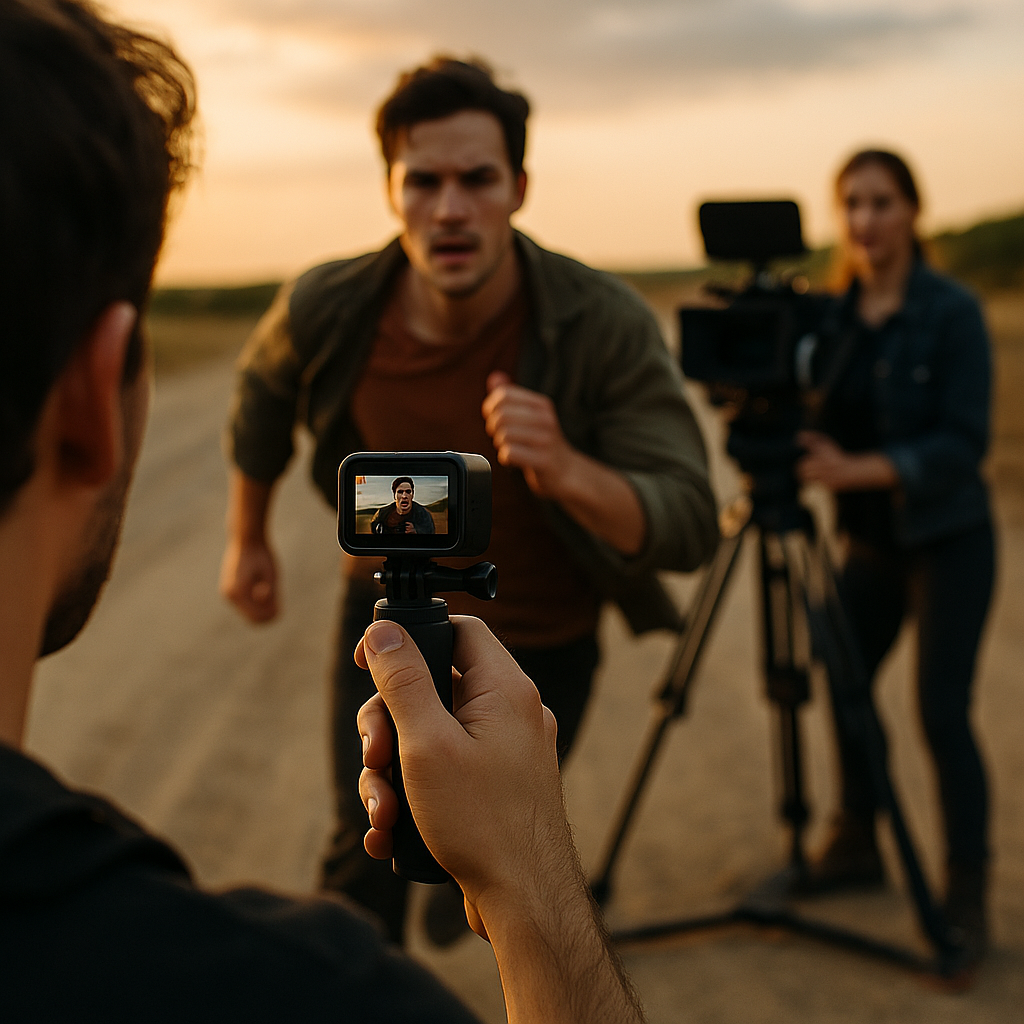
The “POV” (Point Of View) shot is a transformative filmmaking technique that places viewers directly into a character’s shoes, making each frame intensely personal. By leveraging the POV shot, cinematographers immerse audiences deeper into narratives, shaping how stories are felt instead of merely observed. But what makes the POV shot so captivating today? Here’s how filmmakers use it to craft unforgettable scenes.
Understanding the POV Shot: Definition and Filmmaking Roots
The POV shot—short for “point of view shot”—is a camera angle that shows exactly what a character is seeing. This visual technique grants audiences a direct glimpse through a protagonist’s eyes, often letting them experience emotions, anxieties, or excitement firsthand. Transitioning from its roots in early cinema, the POV shot has become a mainstay in modern digital storytelling and virtual reality.
Filmmakers harness POV shots for many reasons:
- Empathy: Encourages viewers to emotionally connect with a character’s experience.
- Suspense: Creates a sense of uncertainty or danger by limiting the audience’s awareness.
- Immersion: Pulls an audience into the scene, making them active participants rather than passive onlookers.
Understanding the basics of a POV shot builds a foundation for appreciating its growing role in storytelling, gaming, and even social media content.
Immersive Storytelling: How POV Shots Amplify Viewer Engagement
One of the key strengths of the point of view shot is its powerful effect on viewer engagement. Modern audiences crave authentic experiences that go beyond traditional, third-person perspective narratives. The POV shot responds to this by offering an immersive journey, heightening realism while fusing the viewer’s instincts with those of the character.
Notable benefits include:
- Making high-stakes scenes (chases, confrontations) more intense and memorable.
- Fostering psychological suspense in thrillers, horror, and dramas.
- Allowing direct emotional expression—pain, joy, or shock—felt in real-time.
For example, in 2025’s blockbuster films and innovative web content, creators rely on POV shots to anchor pivotal turning points or to build empathy during deeply personal moments. Audiences report stronger “presence” in scenes—fueling return visits and increased shareability of content on social platforms. This direct engagement is a core reason for the POV shot’s recent resurgence and relevance.
Technique Breakdown: Capturing Authentic Point Of View Shots
The execution of a POV filming technique requires both technical expertise and creative vision. Directors and cinematographers carefully consider factors such as camera placement, lens choice, and motion fidelity to avoid disorienting the audience while maintaining authenticity.
- Camera Setup: Typically mounted at eye level, using rigs or body cams to closely simulate human motion.
- Lens Selection: Slightly wide-angle lenses are common for matching real human visual range (about 17-20mm on full-frame sensors).
- Movement and Focus: Subtle head movements, rapid glances, or focus pulls mimic natural vision.
- Lighting: Balanced to reflect what a character would realistically perceive in the scene.
Modern technology, such as compact action cameras and VR-ready rigs, has democratized authentic POV content production in 2025. Social creators, as well as feature filmmakers, are now able to craft stunning point of view footage, reaching more global viewers than ever.
The Psychology of Immersion: Why the POV Shot Feels So Real
Delving into the psychological impact, a psychological immersion technique like the POV shot taps directly into viewers’ sense of self. According to a 2024 Neuromarketing Insights Study, 73% of respondents reported higher emotional arousal and memory retention in scenes filmed from the protagonist’s perspective.
What drives this effect?
- Mirror Neuron Activation: When viewers watch actions from a first-person angle, their brains often simulate the experience themselves.
- Personal Risk and Reward: Stakes feel more personal; a threat to the character is felt as a threat to the viewer.
- Empathic Resonance: Real-time reactions and choices build deeper understanding of the character’s motivations.
For educators, marketers, and VR developers, these findings offer a roadmap for designing content that is memorable and deeply affecting. When used thoughtfully, POV shots create an emotional bridge between narrative and audience, turning passive watching into active participation.
Modern Uses of POV Shots: From Cinema to Social Media
In 2025, modern uses of point of view shot have evolved beyond big-screen cinema. Here’s how different industries are leveraging the technique for dramatic impact:
- Film and Television: Blockbusters and prestige series employ POV shots for flashbacks, action sequences, and shocking reveals.
- Video Games: First-person games place players directly into the hero’s perspective, making storylines and decisions feel immediate.
- Virtual Reality (VR) Experiences: Complete reliance on POV to create truly “lived” environments.
- Social Media: POV vlogs and “day in my life” clips have exploded on short-form platforms, making everyday content engaging and personal.
In all these arenas, the POV shot is central for brands, creators, and educators aiming to build stronger connections. Embedded analytics tools in 2025 demonstrate longer engagement and higher emotional resonance in POV-driven content compared to traditional camera setups.
Crafting Ethical and Effective POV Content
While creating ethical point of view content is a powerful tool for engagement, ethical considerations should always take priority. Responsible creators ensure POV content is sensitive to viewers’ experiences, avoids triggering sequences, and maintains truthfulness—especially in journalism and documentary work.
- Consent: Avoid capturing or simulating perspectives that invade privacy or misrepresent reality.
- Context: Clearly indicate when a POV is dramatized, fictional, or editorialized.
- Accessibility: Design for viewers with motion sensitivity, allowing them to opt out or adjust the experience.
With guidelines from international film bodies and digital media regulators frequently updated in 2025, it’s essential that creators remain up-to-date with best practices. This sustains trust and positions the POV shot as a force for both creativity and responsibility.
Conclusion: The Transformative Power of the POV Shot
In 2025, the POV shot remains a pillar of immersive storytelling, uniquely positioning viewers inside the action and emotion. Whether in film, VR, or social content, it powerfully blends technique with empathy. By understanding and applying point of view shots responsibly, creators keep audiences engaged, awed, and coming back for more.
FAQs: POV Shot Essentials
-
What is a POV shot?
A POV (Point Of View) shot is a cinematic technique where the camera mimics a character’s visual perspective, making viewers feel as if they are seeing the world through the character’s eyes.
-
Why do filmmakers use POV shots?
Filmmakers use POV shots to immerse the viewer, build suspense, and foster empathy, enhancing storytelling by allowing audiences to experience events firsthand.
-
Are POV shots only used in movies?
No. While common in film, POV shots are increasingly used in video games, VR experiences, and social media to create engaging, personal content.
-
How can I create an effective POV shot?
Use a camera at the subject’s eye level, choose lenses that match human vision, and replicate natural movement. Consider lighting and context for authenticity and emotional impact.
-
Are there challenges or risks with POV shots?
Yes. Poorly executed POV shots can cause disorientation or motion sickness for viewers. Ethical considerations around representation and consent are also important, particularly in sensitive scenarios.