


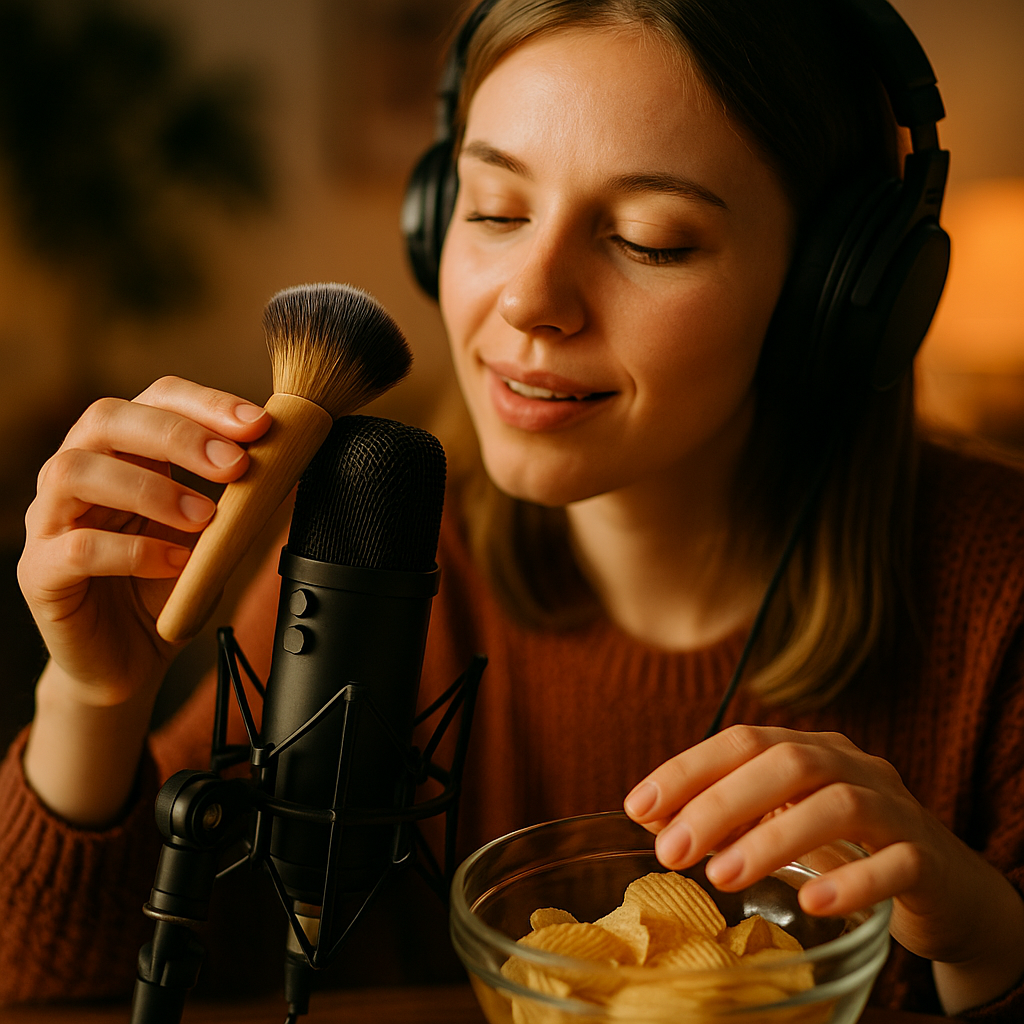
ASMR marketing and sensory content trends are redefining how brands engage with audiences by leveraging tactile, visual, and auditory experiences. This innovative approach taps directly into consumer emotions and behaviors, making marketing more immersive and memorable. Discover why leading brands are investing in sensory strategies—and how you can capture attention in today’s content-saturated landscape.
What is ASMR Marketing? Understanding the Primary Trends
ASMR marketing (Autonomous Sensory Meridian Response) centers on creating content that triggers pleasurable tingling sensations or deep relaxation through specific sights and sounds. Brands are increasingly using ASMR in video ads, social posts, and product launches to connect with viewers on a neurological level. Sensory content trends go beyond ASMR to include touch, taste, and even olfactory cues, making experiences wholly immersive. This movement responds to research showing that 80% of consumers prefer rich, interactive content over traditional advertising, according to a 2024 study by Auditory Insights.
These primary trends show how marketers employ soft whispers, tapping, crinkling, or visually stimulating textures in their campaigns. The result? Higher engagement rates, improved brand recall, and measurable upticks in purchase intent.
Sensory Content in Digital Marketing: Best Practices in 2025
Effective sensory content builds authentic, memorable brand encounters. In 2025, best practices include:
- Staying Inclusive: Design sensory content that’s accessible to diverse audiences, including captions for sound-based ASMR or adapting visual effects for viewers with differing sensory sensitivities.
- Adopting Multi-sensory Storytelling: Blend sounds, visuals, and tactile cues seamlessly. Layer soft sound effects with high-quality product close-ups to amplify sensory impact.
- Prioritizing Authenticity: Research by Sensum in 2024 found that consumers perceive brands using genuine sensory cues as 43% more trustworthy than those relying on generic visuals or sounds.
- Testing and Measuring: Track dwell time, engagement metrics, and user sentiment to refine your sensory campaigns. Personalized feedback loops help marketers fine-tune experiences for effectiveness.
Brands succeeding with sensory marketing keep user experience at the core, ensuring every touchpoint contributes positively to the sensory journey.
Top Industries Leveraging ASMR and Sensory Content
Sensory-rich marketing is no longer a niche domain. In 2025, several leading sectors have adopted ASMR strategies:
- Food and Beverage: Brands like Lay’s and Coca-Cola design campaigns featuring the sizzle of soda or crunching sounds, boosting appetite appeal and purchase probabilities.
- Cosmetics and Skincare: Close-up shots of lotion application and gentle whispering product explanations engage viewers on visual and auditory levels, leading to increased trust and intent to purchase.
- Hospitality and Travel: Resorts use immersive soundscapes—rustling leaves, ocean waves—to transport potential guests and evoke sensory anticipation.
- E-commerce and Retail: Unboxing videos with ASMR triggers create an atmosphere of delight and anticipation, fostering brand loyalty and increasing shareability.
Even automotive and tech brands are investing in audio branding, using subtle background sounds or tactile feedback to communicate quality and innovation.
Creating Impactful Sensory Campaigns: Strategies for Marketers
From conception to execution, effective sensory campaigns require attention to detail and careful alignment with brand identity:
- Identify Your Sensory Signature: Audit longstanding brand assets (logo, packaging, jingles) to see how they may naturally fit into sensory campaigns.
- Experiment with Content Types: Combine live streams, Instagram Reels, and TikTok Shorts to test varying durations and sensory elements.
- Collaborate with ASMR Creators: Tap into influencers with established sensory channels. This co-creation ensures a native, credible delivery style and can extend reach to hyper-engaged communities.
- Invest in Quality Production: High-definition audio and visual assets matter. Investing in professional mics, lighting, and editors sets your content apart, enhancing sensory immersion.
Case studies in 2025 highlight brands that partner with neuro-marketing experts to tailor sensory cues, ensuring campaigns elicit the right emotional responses and increase overall effectiveness.
Measuring the Success of Sensory Content
Quantifying the value of ASMR marketing and sensory content is essential for strategy refinement. The most effective metrics in 2025 include:
- Engagement Rates: ASMR content consistently achieves 35% higher watch-times and social interaction compared to standard visual ads, according to Streamlytics’ recent market analysis.
- Brand Sentiment: Heat maps and post-campaign surveys gauge emotional responses, providing real insight into consumer attitudes and brand affinity shifts.
- Conversion Tracking: Tie campaign elements directly to click-throughs, sign-ups, or purchases to establish clear ROI.
- User-Generated Content: Track campaign hashtags and shares to monitor organic engagement and content virality.
Leading marketers also analyze biometric feedback—like heart rate and micro-expressions—using advanced tools to validate content impact beyond self-reported data.
The Future of ASMR Marketing: Emerging Sensory Content Trends
In 2025, the next wave of sensory marketing is set to blend digital realism with AI-driven personalization. Key emerging trends include:
- AI-Mixed Sensory Content: Algorithms curate personalized soundscapes and tactile elements based on user preferences or previous engagement patterns.
- Immersive Commerce: Virtual try-ons and interactive shopping experiences use ASMR triggers—like the sound of fabric rubbing or real-time texture simulations—to increase buyer confidence.
- Augmented Reality (AR) Integration: AR filters that simulate environmental sounds or mimic product textures deepen user engagement, particularly on mobile platforms.
- Sustainability Storytelling: Brands reinforce eco-friendly messages with natural soundscapes and earthy visuals, linking sensory trust with sustainable values.
As consumer expectations grow for multisensory content, staying adaptive and data-informed will be crucial for marketing success.
FAQs: ASMR Marketing and Sensory Content Trends
- What is ASMR in marketing?
ASMR in marketing refers to using specific audiovisual techniques that trigger relaxation or pleasurable sensations in audiences, making brand content more captivating and memorable. - How do sensory content trends benefit brands?
Sensory content enhances emotional connections, increases engagement rates, and improves brand recall. It often leads to higher conversion rates compared to standard advertising formats. - Which industries are leading the way in ASMR marketing?
Food and beverage, cosmetics, hospitality, retail, and e-commerce are among the top industries leveraging ASMR and sensory strategies in 2025. - How is success measured for sensory campaigns?
Marketers track metrics like engagement rates, emotional sentiment, conversion data, and user-generated content to determine campaign success. - What are the biggest mistakes to avoid?
Avoid generic, poorly produced sensory elements, and ensure accessibility for all users by providing captions or alternative formats where required.
ASMR marketing and sensory content trends are transforming digital engagement by elevating user experience and emotional resonance. Embracing innovation and measurement, brands that thoughtfully incorporate sensory elements stand to create more loyal, engaged audiences—and set benchmarks for marketing excellence in 2025 and beyond.