


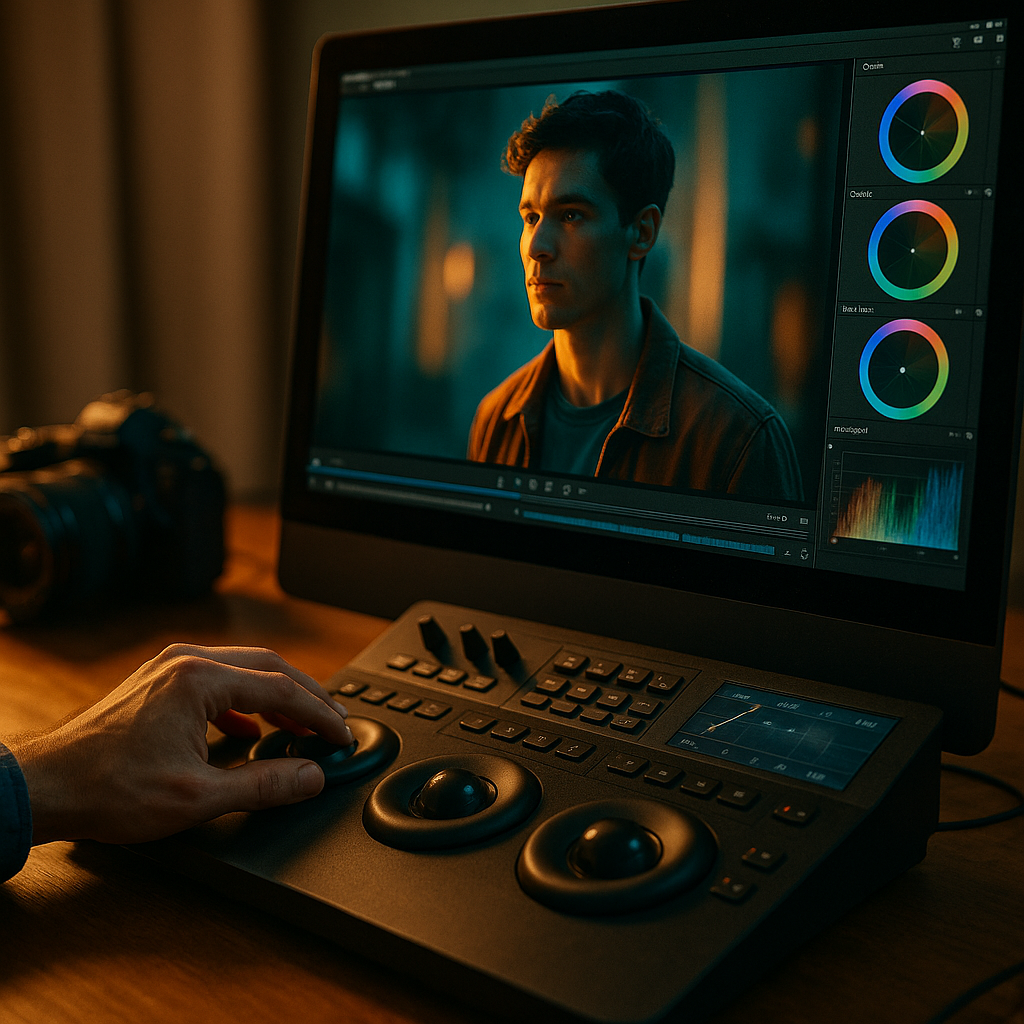
Color grading is a vital step in post-production, and the “Teal and Orange” look has become the gold standard for achieving cinematic ads. By skillfully manipulating these complementary colors, marketers create visual impact and emotional resonance. But why has this trend endured, and how can you master it for your brand’s advertising campaigns? Dive in and discover the secrets behind this powerful color palette.
Understanding the Teal and Orange Color Grading Trend
The teal and orange color grading technique isn’t just another fad—it’s a deliberate stylization grounded in color theory. Teal and orange sit opposite each other on the color wheel, creating natural visual harmony and contrast. In 2025, brands are leveraging this method more than ever because it draws attention to human subjects while infusing frames with high-end appeal.
By enhancing warm skin tones with orange hues and using teal for cool backgrounds or shadows, editors ensure subjects pop from their environment. This combination amplifies emotional intensity, making the ad content feel more polished and memorable. Industry leaders such as Adobe and Blackmagic recognize this trend as an essential tool in any video editor’s arsenal, making it more accessible through their software’s built-in LUTs and presets.
Why Teal and Orange Grading Works for Cinematic Ads
Cinematic ads rely on visual storytelling and emotional cues. Teal and orange color grading works exceptionally well because:
- Contrasting Colors: Humans are naturally attracted to contrast. Teal and orange deliver this contrast effortlessly.
- Skin Tone Enhancement: Almost all skin types include orange and red undertones, so this palette makes subjects look healthy and vibrant.
- Ambient Drama: Teal can evoke coolness, mystery, or calm, while orange suggests warmth and energy, balancing moods within a story.
- Brand Consistency: Many global brands now use a variation of teal and orange, aligning their identity with cinematic storytelling and premium perception.
Recent analytics from major ad platforms in 2025 show that ads utilizing teal and orange color grades gain on average 17% higher engagement rates than those with neutral color schemes. This measurable effectiveness is leading more brands to invest in high-quality color grading for every campaign.
How to Achieve the Teal and Orange Look in Your Ads
Mastering this look requires more than simply applying a filter. To create cinematic ads that convert and engage, follow these professional steps:
- Start with Good Lighting: Ensure footage is well-lit. Natural daylight or balanced studio lighting helps preserve color data, making grading easier.
- Color Correct First: Before grading, adjust for proper white balance and exposure. This provides a true-to-life base for further stylization.
- Select Your Palette: In your NLE (Non-Linear Editor), target mids and highlights for orange tones (skin and light) and push shadows toward teal (backgrounds, shadows).
- Fine-Tune Saturation: Avoid over-saturation; subtlety delivers a sophisticated, cinematic feel. Season your grade to taste—a little goes a long way.
- Use LUTs for Efficiency: Look-Up Tables (LUTs) provide fast, consistent results. Many brands customize their LUTs for on-brand consistency across all campaign videos.
- Monitor Color on Calibrated Screens: Always check your grades on color-accurate monitors; this avoids surprises in your final export.
Combining these steps with thoughtful subject framing strengthens your ad’s visual hierarchy, ensuring eyes go where you want them most—right to your brand and message.
Teal and Orange Across Different Advertising Platforms
Each advertising platform—be it social media, television, or web—renders colors and contrasts differently. In 2025, optimizing the teal and orange color grading for your target platform is essential.
For YouTube and Social: Compression can mute colors. Slightly boost midtone contrast for videos destined for these platforms, maintaining clarity after upload.
For TV: Broadcast standards vary by region; always preview your grades on a TV monitor to replicate the end-user experience.
For Print-Video Hybrids: If your campaign includes both videos and stills (such as digital signage), coordinate with design teams to match the teal and orange look across both mediums, ensuring brand consistency.
As of 2025, platforms like TikTok and Instagram Reels auto-optimize for mobile, so check that your teal and orange palette shows up as intended on small screens before final delivery.
Expert Tips for EEAT-Compliant Color Grading
Google’s EEAT guidelines—Expertise, Experience, Authoritativeness, and Trustworthiness—apply not just to written content, but also visual branding. Here’s how to keep your color grading practices aligned:
- Expertise: Train your creative team in up-to-date color grading software and techniques; promote certifications where possible.
- Experience: Build a strong portfolio by running A/B tests; showcase high-performing ads that utilized teal and orange grading.
- Authoritativeness: Reference trusted sources or high-profile campaigns to show you operate at industry standard.
- Trustworthiness: Be transparent about which looks you use and why—communicate your reasoning to both clients and audiences for maximum impact.
Trust builds when your cinematic ads not only look good but consistently deliver clear, measurable results for your brand or client. Regularly gather feedback and analytics, refining your approach to color grading accordingly.
Common Mistakes to Avoid in Teal and Orange Color Grading
While this look is dramatic, it can be misused. Avoid these pitfalls for truly professional results:
- Over-saturation: Too much can make ads look unrealistic or even comedic.
- Ignoring skin tones: Pushing orange too far creates unnatural “pumpkin” faces. Keep adjustments subtle and flattering.
- Neglecting platform-specific requirements: Uploading TV-calibrated footage to social can result in muddy or inconsistent colors.
- Forgetting brand identity: Teal and orange should enhance—not clash with—your existing brand palette.
- Poor source material: No grading can save underexposed or poorly lit footage.
If you avoid these mistakes, you maximize your ad’s visual value, driving stronger audience reaction and improved return on investment.
Conclusion: Leveraging Teal and Orange for Unforgettable Cinematic Ads
In 2025, the teal and orange color grading formula stands as a cornerstone of impactful cinematic advertising. It balances emotional storytelling with visual punch, winning audience attention and boosting brand engagement. To maximize results, combine technical proficiency with strategic platform adaptation. By mastering this look, your cinematic ads will not just catch eyes—they’ll convert and inspire.
FAQs About Teal and Orange Color Grading for Cinematic Ads
-
Why is teal and orange so popular in cinematic color grading?
Teal and orange are complementary on the color wheel. This pairing enhances contrast between backgrounds and natural skin tones, making visuals more engaging and emotionally resonant. It’s easy to adapt across genres and brands, which is why it remains popular in 2025.
-
Can I use teal and orange color grading on any ad?
While versatile, this look is best for ads featuring people or scene-driven storytelling. For product-only videos or minimalist brands, consider whether intense grading supports your message.
-
Do I need expensive software to achieve this effect?
No. Today’s entry-level editing suites, including mobile apps, offer teal and orange LUTs or filters. However, advanced programs like DaVinci Resolve or Adobe Premiere Pro offer greater control and subtlety for professional results.
-
How do I prevent overdoing the teal and orange effect?
Focus on subtlety and always grade on a calibrated monitor. Compare your graded footage to reference images and consider feedback from experienced collaborators to ensure a natural, appealing balance.