


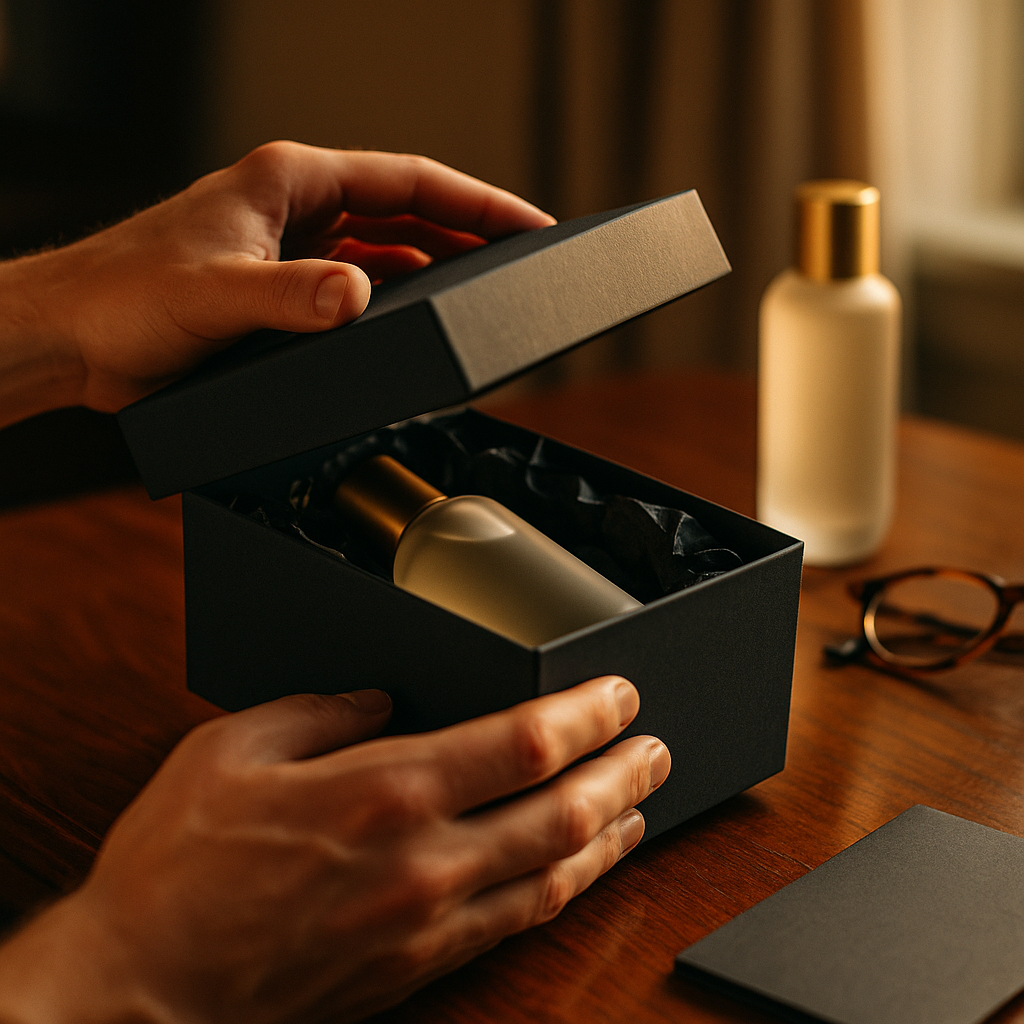
In 2025, premium brands win attention by refusing to be instantly effortless. The Psychology Of High-End CPG Design shows how controlled “friction”—small moments of pause, discovery, or learning—can signal quality and justify price. When packaging asks consumers to engage, it can elevate trust, memorability, and perceived craft. The real question is how to add friction without frustration—and where it pays off most.
Luxury packaging psychology: How friction changes perceived value
People don’t evaluate products in a vacuum; they interpret signals. In high-end consumer packaged goods (CPG), the package is often the first and most frequent signal, especially when the product experience happens later (taste, performance, skincare results). “Friction” in this context means intentional, lightweight effort: reading a short story, opening a secondary seal, decoding a label system, or noticing a restrained design that doesn’t shout.
Why it works comes down to a few reliable psychological mechanisms:
- Effort justification: When someone invests effort, they tend to value the outcome more—provided the effort feels purposeful. A tight-fitting cap, a peel tab that reveals information, or a folded insert can create a micro-investment that increases attachment.
- Processing fluency (used strategically): Easy-to-process designs feel familiar and safe. Premium design sometimes does the opposite: it reduces instant fluency to create intrigue. The key is moderate disfluency—enough to slow the gaze, not enough to confuse.
- Scarcity and restraint cues: Minimal claims, muted color, and whitespace can imply confidence. When a brand doesn’t overload the pack with promotions, consumers infer it doesn’t need to.
- Ritual formation: Premium experiences often include a repeatable ritual (unseal, twist, pour, reseal). Ritual adds meaning and consistency—two ingredients that build loyalty.
The practical takeaway: friction builds value when it communicates intent. If the consumer thinks, “They made me work for no reason,” you lose trust. If they think, “This is carefully made,” you gain pricing power.
Premium CPG branding: Designing “good friction” vs. bad friction
Not all friction is equal. High-end CPG branding benefits from friction that feels guided, discoverable, and reversible. Bad friction feels like punishment—hard to open, hard to understand, or hard to use in real life.
Use this filter to separate “good” from “bad” friction:
- Good friction clarifies the product story. Example: a small panel that explains sourcing, formulation philosophy, or craftsmanship. The consumer learns something that reduces risk and increases willingness to pay.
- Good friction creates a moment of control. Example: a measured pour spout or portioning mechanism. It makes the consumer feel competent and reduces waste.
- Good friction is legible in under 3 seconds. The consumer should understand where to open, what to do, and what they’ll get—quickly. The “pause” should be curiosity, not confusion.
- Bad friction blocks access. Overly aggressive adhesives, unclear tear notches, or fragile materials frustrate. Frustration attaches to the brand, not just the pack.
- Bad friction hides critical info. If ingredients, allergens, warnings, or usage directions require a scavenger hunt, you create risk and potential regulatory exposure.
One way to design good friction is to treat the packaging journey like a guided experience: signal (what is this?), reassure (why trust it?), reward (a satisfying opening or reveal), reinforce (a clean, repeatable usage ritual). When each stage answers a question the shopper already has, the added effort feels earned.
Sensory branding in packaging: Tactile, sound, and motion as value cues
Premium perception is multi-sensory. Consumers “read” quality through weight, texture, fit, and sound—often before they process any text. Sensory branding in packaging is where friction can become a signature: the slight resistance of a magnetic flap, the soft snap of a cap, the controlled glide of a sleeve, the grain of paper, the temperature and heft of glass or thick-walled PCR plastic.
Consider how sensory friction can support your positioning:
- Tactile friction: Soft-touch coatings, embossed marks, debossed type, or uncoated textured papers encourage touch. Touch increases attention and can reduce perceived risk for premium purchases.
- Mechanical friction: A deliberate two-step open (outer carton then inner seal) can communicate safety and integrity—especially for ingestibles and beauty.
- Sound cues: A crisp “click” when a closure locks can signal engineering and freshness. Sound also helps confirm correct use, reducing uncertainty.
- Visual pacing: A restrained front panel with fewer claims makes shoppers work slightly harder—but it also suggests the brand isn’t competing on loud promises.
Design guardrails matter. Sensory cues must support real product quality. If the pack feels luxurious but the product underdelivers, the contrast triggers negative surprise, which spreads faster than satisfaction. Align sensory signals with authentic performance, and you convert first-time curiosity into repeat purchase.
Consumer decision-making: Using cognitive “speed bumps” to reduce price sensitivity
Most CPG decisions happen quickly. The shopper is balancing price, habit, and uncertainty. High-end design can introduce cognitive “speed bumps” that shift the decision from autopilot to evaluation—often where premium wins.
Here’s how friction can reduce price sensitivity without relying on discounts:
- Interrupt commodity comparison: When every competitor uses the same color codes and claim stacks, a premium pack that breaks the pattern forces a second look.
- Increase perceived diagnosticity: Details like batch codes, sourcing maps, or concise formulation notes can feel like “proof.” Proof reduces perceived risk, and lower risk supports higher price acceptance.
- Encourage self-signaling: Premium buyers often purchase to express identity (taste, discernment, values). Friction that requires attention—like a minimal label that rewards those who “get it”—supports that identity signal.
- Shift from deal-seeking to meaning-seeking: A small brand manifesto, a ritualized opening, or a refill system can move the question from “Is it cheaper?” to “Is it worth it?”
Answer the follow-up question brands often ask: Won’t friction hurt conversion? It can—if you add it where shoppers need speed (opening, dosing, safety, scanning key info). Use friction where shoppers want meaning (story, craft, ritual, proof). In other words, keep functional tasks frictionless, and make the brand experience pleasantly effortful.
High-end unboxing experience: Ritual, reveals, and the “earned reward” effect
Unboxing is not just for electronics. In premium CPG, the high-end unboxing experience can transform a routine replenishment into a repeatable ritual. Friction creates earned reward: the consumer feels they unlocked something, even if it’s simple.
Effective unboxing friction follows a clear sequence:
- Anticipation: A clean outer face with restrained cues builds curiosity.
- Reveal: A sleeve pull, inner pattern, or message appears only after opening. The consumer receives a small payoff.
- Confirmation: A seal, insert, or closure click communicates freshness and authenticity.
- Aftercare: Thoughtful storage guidance or usage tips reduce waste and improve results—boosting perceived efficacy.
Make it practical. Premium unboxing must still respect real use cases: wet hands in the shower, one-handed opening in the kitchen, quick dosing in the morning, readability under low light. Test rituals in context, not just on a design table.
Also, ensure friction supports accessibility: clear open cues, adequate contrast, readable type sizes, and predictable motion. Luxury shouldn’t exclude. When design feels considerate, it enhances trust—an EEAT win that shows up in reviews and repeat purchase.
Trust signals and EEAT in CPG: Using friction to communicate expertise and authenticity
In 2025, skepticism is high. Shoppers want clarity about ingredients, sourcing, sustainability, and claims. Trust signals and EEAT in CPG aren’t only for websites; packaging is a credibility document that lives in the consumer’s home.
Friction can support EEAT by making the buyer pause long enough to notice credible proof:
- Experience: Include usage guidance that reflects real-world conditions (timing, dosage, storage), not generic instructions. This shows you understand how people actually use the product.
- Expertise: Use precise language: concentrations where appropriate, material specifications, or process notes. Avoid vague superlatives. If you reference a standard or certification, name it clearly and ensure it’s verifiable.
- Authoritativeness: Provide traceability—batch/lot coding, origin, or a scannable link to testing summaries. The friction of scanning should unlock meaningful, specific information, not marketing fluff.
- Trustworthiness: Make critical info easy to find: allergens, warnings, ingredients, recyclability instructions. Trust grows when transparency is frictionless.
One more follow-up question: How do we add proof without clutter? Use layering. Keep the front panel minimal, then place deeper detail behind a flap, under a peel label, on an insert, or via a QR destination built for clarity. Layering lets you keep the premium calm while still meeting the modern demand for evidence.
FAQs
What does “friction” mean in high-end CPG packaging?
Friction is intentional, mild effort built into design—like a two-step opening, a hidden detail, or layered information—that slows the consumer just enough to notice quality cues, proof, or story. It should feel purposeful and guided, not confusing or obstructive.
Does friction reduce sales conversion at shelf?
It can if it delays essential understanding (what it is, how it’s used, key benefits, price). Done well, friction increases attention and perceived value. Keep functional tasks fast and clear, and add friction mainly to brand meaning, ritual, and proof.
What are examples of “good friction” that feel premium?
A satisfying closure “click,” a tamper seal that communicates integrity, a minimal front with a deeper story inside, a textured label that invites touch, or a peel-back panel that reveals sourcing and testing information.
How can premium design stay compliant and accessible?
Place mandatory and safety information in predictable locations, maintain readable type sizes and strong contrast, use clear opening cues, and test with real users. Accessibility and compliance are not anti-luxury; they reinforce trust and reduce negative experiences.
Should luxury packaging be minimal or information-rich?
Both, through layering. Use a minimal primary panel to signal confidence, then provide detailed information via secondary panels, inserts, or a QR experience. Minimalism without proof can feel empty; proof without restraint can feel mass-market.
How do we measure whether friction is helping brand value?
Track repeat purchase, review sentiment (especially around “feel,” “quality,” and “worth it”), return rates, customer support tickets related to opening/usage, and in-store dwell time or eye-tracking where available. Also compare price elasticity before and after packaging changes.
Friction is not the enemy of premium CPG; careless friction is. When you design small, intentional moments of effort—supported by clear cues, satisfying sensory signals, and layered transparency—you create a product ritual that feels earned and trustworthy. Keep access and safety frictionless, then invest friction in story and proof. Do that consistently, and value becomes obvious before the first use.