


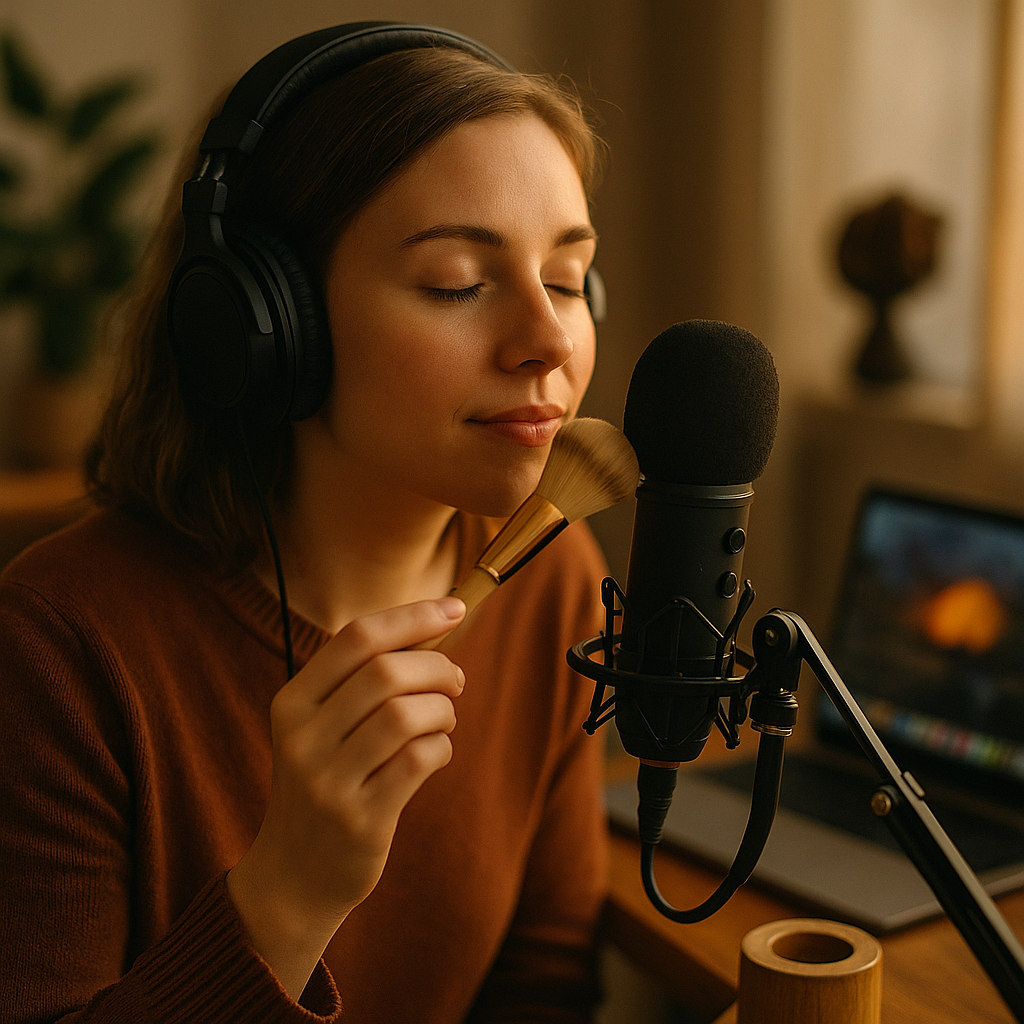
In 2025, brands compete in crowded feeds where attention is fragile and trust is earned second by second. The Psychology Of Soundscapes And ASMR In Branded Content explains why certain textures—whispers, taps, room tone, and calming ambiences—can feel personal, credible, and memorable. Used with care, these cues strengthen emotion and recall without gimmicks. What makes a sound feel like it’s meant for you?
Soundscape psychology
Sound does more than “set a mood.” It guides interpretation, shapes expectation, and changes how people judge what they see. Soundscape psychology looks at how layered audio environments—foreground signals (like a voice), midground cues (like cloth rustle), and background ambience (like a café hum)—create meaning. In branded content, the soundscape becomes a narrative system: it tells the brain what to focus on and what to ignore.
Three mechanisms matter most in practice:
- Selective attention: A clean sonic foreground (clear voice, intentional micro-sounds) reduces cognitive load, making messages easier to follow. When the listener doesn’t fight noise, comprehension and perceived competence rise.
- Predictive processing: The brain constantly predicts what comes next. Consistent sonic patterns (a recurring “brand room tone,” a repeated product handling sound) reinforce familiarity, which can translate into comfort and preference.
- Emotional appraisal: People rapidly assess whether an environment is safe, lively, sterile, intimate, or stressful. Warm, close-mic audio can feel “near,” while reverberant audio can feel distant and less personal. That distance affects trust and engagement.
Follow-up question you’ll likely have: Is this manipulation? It can be if it’s deceptive. It becomes ethical persuasion when the soundscape honestly reflects the experience you’re offering (comfort, clarity, calm) and doesn’t mask critical information or imitate medical/therapeutic claims.
ASMR marketing
ASMR (autonomous sensory meridian response) refers to a tingling, calming sensation some people experience in response to specific triggers—often soft voices, slow hand movements, tapping, brushing, and crisp detail sounds. Not everyone experiences ASMR tingles, but many still find ASMR-style audio relaxing and immersive. That broader “pleasant calm” is what most branded executions are really using.
In ASMR marketing, the creative goal is not to chase a tingling sensation at all costs. The goal is to create perceived intimacy and sensory credibility. When a viewer hears the snap of a lid, the pour of a beverage, or the glide of a pen across paper, the product becomes tangible. That tangibility can reduce uncertainty—an important driver of purchase hesitation.
ASMR fits especially well when your product benefit is sensory or routine-based:
- Food and beverage: Pour, fizz, stir, bite (with restraint—mouth sounds can repel as many as they attract).
- Beauty and personal care: Brush, pump, cap twist, towel pat, packaging textures.
- Home and lifestyle: Fabric movement, cleaning rhythms, drawer slides, soft appliance clicks.
- Tech and stationery: Keyboard switches, pen clicks, unboxing materials, device magnet snaps.
Answering the next question: Will ASMR work for every audience? No. ASMR is polarizing. The right approach is to treat ASMR as a format option within a broader audio strategy, then validate with audience testing and platform analytics before scaling.
Brand sound identity
Many brands have a visual system but no consistent audio system. Brand sound identity fills that gap: a set of repeatable, recognizable sonic elements that can travel across short-form video, podcasts, product demos, retail spaces, and apps. Done well, it supports recognition even when viewers scroll without looking directly at the screen.
A practical brand sound identity usually includes:
- Sonic logo or mnemonic: A short, distinctive sound mark that fits your brand personality.
- Signature textures: The recurring “materials” of your sound—paper, ceramic, wood, soft synth pads, natural room tone.
- Voice approach: Not just the voice actor, but microphone intimacy, pacing, breathiness, and pronunciation style.
- Sound palette rules: What you never do (harsh sibilance, aggressive distortion, jarring stingers), plus loudness targets and dynamic range guidelines.
Where soundscapes and ASMR intersect with brand sound identity is consistency. If your ASMR execution changes wildly each campaign—different room acoustics, erratic volume, inconsistent “closeness”—you lose the trust-building effect and risk sounding like imitation. Consistent sonic choices signal operational maturity, which contributes to perceived expertise.
EEAT considerations (experience, expertise, authoritativeness, trust): avoid “therapeutic” framing unless you can substantiate it. Position your audio as comforting, focused, or sensory-rich rather than promising clinical outcomes.
Neuroscience of sound
You don’t need a lab to use neuroscience responsibly, but you do need accurate language. Sound affects arousal and attention through well-established pathways: rhythm and frequency content can influence alertness; gentle dynamics can lower perceived stress; and predictable patterns reduce the brain’s need to “solve” the environment.
Key science-aligned principles for branded soundscapes:
- Dynamics matter more than volume: A calmer experience often comes from smoother loudness changes, not simply turning the track down. Sudden peaks trigger orienting responses that can feel like intrusion in an intimate format.
- High-frequency harshness increases fatigue: Excessive sibilance (5–10 kHz) and brittle top-end can create listening discomfort, especially on earbuds.
- Temporal detail creates presence: Crisp transients (a clean tap, a subtle crinkle) can make the brain “place” the sound in a believable space, increasing realism.
- Context decides meaning: The same whisper can feel caring in a bedtime routine and creepy in a financial ad. Align intimacy with category expectations and brand positioning.
Likely follow-up: Is binaural audio required? No, but it can help. Binaural recording can create strong “in-the-room” placement when heard on headphones. However, many viewers watch on phone speakers, so you should build mixes that translate: clear midrange, controlled stereo width, and mono compatibility. If you do use binaural, preview in earbuds, phone speakers, and a laptop before publishing.
Immersive audio branding
Immersive audio branding is the execution layer: how you apply soundscapes and ASMR techniques to real campaigns and customer journeys. The best work uses audio to clarify product value, reduce friction, and increase recall—without turning the brand into a novelty act.
Use this framework to plan an immersive audio asset:
- 1) Define the listening context: Platform, device, and setting. TikTok on a commute needs different pacing than a long-form YouTube routine.
- 2) Choose a single emotional objective: Calm focus, cozy comfort, energized curiosity, clean freshness. Don’t stack conflicting moods.
- 3) Script for sound: Write actions, not just lines. Example: “twist cap slowly,” “pause after pour,” “soft cloth wipe,” “gentle tap to confirm closure.”
- 4) Record clean source audio: Use a quiet space, consistent mic distance, pop filter, and controlled handling. Authentic product sounds beat generic libraries in trust impact.
- 5) Mix for comfort: Keep voice intelligible, reduce sharp resonances, and manage breath and mouth sounds. The goal is intimate, not invasive.
- 6) Validate with audience feedback: Run A/B tests (ASMR vs. standard mix), and track completion rate, replays, saves, and negative sentiment signals.
Common pitfalls—and how to prevent them:
- Overdoing mouth sounds: Many listeners find them unpleasant. Favor object-based triggers (packaging, tools, materials) and keep wet sounds minimal.
- Inconsistent loudness: A whisper that suddenly spikes can cause users to abandon. Set loudness targets and limit peaks.
- Using “calm” to hide disclaimers: Trust drops when critical information is rushed or masked. Keep legal and safety info clear and appropriately prominent.
- Copying trending ASMR creators too closely: It can read as inauthentic. Build a recognizable brand texture instead.
Answering a practical follow-up: What should we measure? Pair platform metrics (watch time, completion, replays, saves, shares) with brand metrics (ad recall, consideration lift, search lift where available). Also track qualitative sentiment for words like “relaxing,” “satisfying,” “creepy,” “annoying,” and “too loud.” Those terms reveal whether your intimacy level is appropriate.
Ethical sensory marketing
Ethical sensory marketing is essential because sound works below conscious attention. Respectful use protects the audience and your brand reputation. In 2025, trust is a performance metric: customers reward brands that feel transparent, stable, and respectful of boundaries.
Apply these guardrails:
- Consent by context: Avoid unexpectedly intense whispers or overly intimate proximity in placements where users didn’t opt in (for example, autoplay placements). Use gentler mixes for broad reach and reserve deeper ASMR for opt-in experiences.
- Accessibility: Provide captions and ensure voice content remains clear without relying on subtle audio alone. Avoid meaning that only exists in barely audible cues.
- Avoid health claims: Don’t imply that your audio “treats anxiety” or “cures insomnia” unless you have appropriate evidence and permissions. You can say “designed to feel calming” or “crafted for a relaxing listening experience.”
- Protect children and sensitive audiences: Don’t combine child-directed themes with intimate whispering. Keep boundaries clear and age-appropriate.
- Data honesty: If you cite results, cite what you measured (e.g., completion rate lift in a specific test) and avoid universal claims.
EEAT improves when you show your process: explain why you chose the soundscape, how you tested it, and what you did to ensure clarity and comfort. That transparency signals competence and care—two pillars of trustworthiness.
FAQs
What is a soundscape in branded content?
A soundscape is the full audio environment of a piece of content—voice, ambience, music, and detailed object sounds—designed to guide attention and emotion. In branding, it supports meaning and recall by making the experience feel coherent and believable.
Does ASMR always mean whispering?
No. Many effective ASMR-style ads rely on object sounds like tapping, pouring, folding, brushing, and packaging textures. Whispering is only one trigger, and it can be polarizing if used outside an appropriate context.
How do we know if ASMR will fit our brand?
Start with brand values and category norms. If your product promise involves comfort, routine, craftsmanship, or sensory quality, ASMR-style sound can fit well. Validate with small tests and sentiment monitoring before using it in large paid campaigns.
What platforms work best for ASMR branded content?
Short-form video platforms work well for quick sensory hooks, while YouTube supports longer “routine” formats. Podcasts can also benefit from soundscape craft, but the execution should match listener expectations and avoid overly intimate cues without context.
What technical settings matter most for comfortable listening?
Prioritize clean recording, controlled sibilance, consistent loudness, and mixes that translate to phone speakers and earbuds. Keep peaks under control, avoid harsh high frequencies, and ensure dialogue remains intelligible even at low volume.
Is binaural audio necessary to create an immersive effect?
No. Binaural can enhance headphone immersion, but a well-designed stereo or even mono mix can still feel intimate through careful mic technique, layered textures, and controlled dynamics.
How can we use soundscapes ethically?
Match intimacy to context, keep critical information clear, avoid unsubstantiated health claims, design for accessibility with captions, and test for negative reactions. Ethical choices protect trust and make your audio strategy sustainable.
Soundscapes and ASMR can turn branded content into an experience people choose to stay with, not just an ad they tolerate. In 2025, the advantage comes from restraint: consistent sonic identity, believable textures, and mixes that feel comfortable across devices. Treat intimacy as a design choice, validate it with testing, and follow ethical guardrails. When sound earns trust, attention follows.