


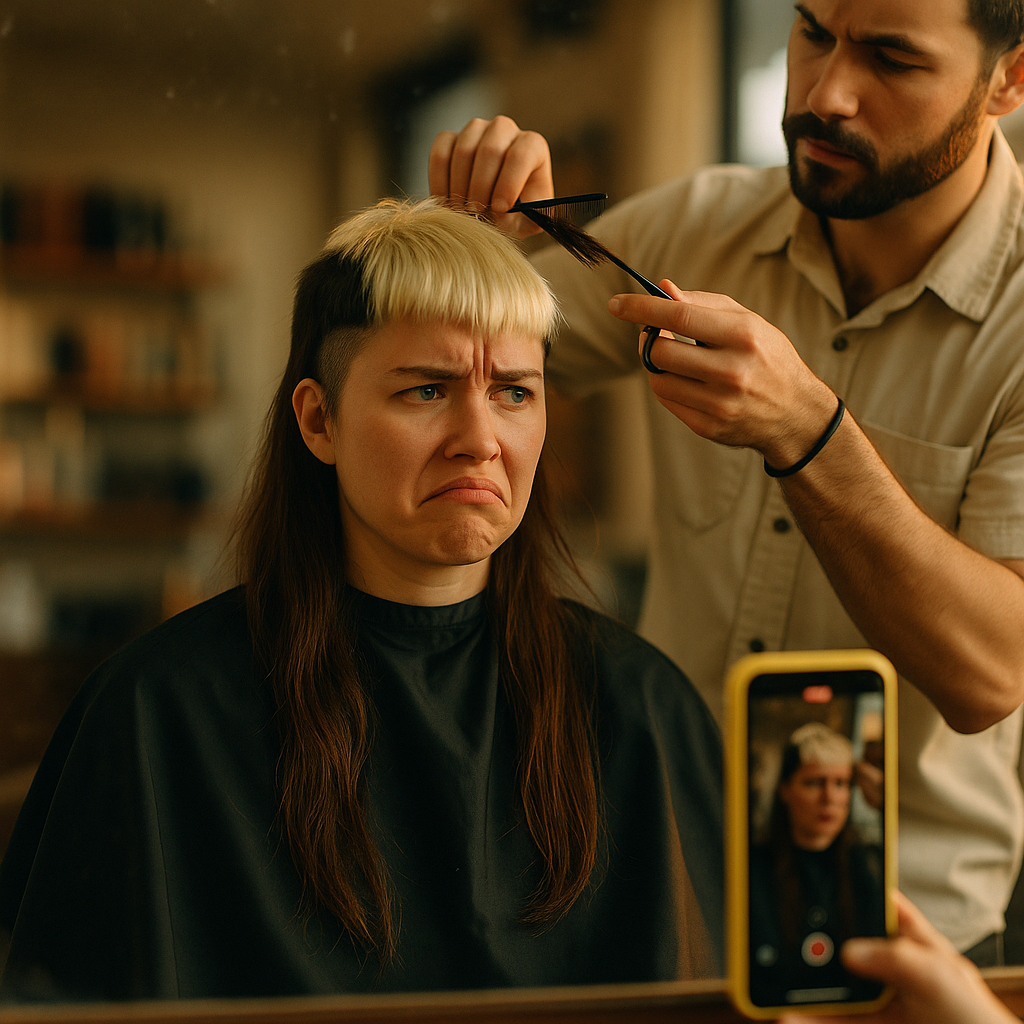
Transition trends are everywhere in 2025, offering fresh ways to reinvent your style, brand, or even your content. But while hopping onto these social shifts can be exciting, it’s all too easy to seem forced or insincere. If you want to stay ahead while keeping your authenticity intact, read on for expert strategies you can trust.
Understanding Transition Trends: Why They Matter in 2025
Transition trends influence everything from workplace dynamics to digital marketing in 2025. With platforms like TikTok, Instagram, and LinkedIn evolving rapidly, brands and individuals have new opportunities to connect and grow. According to a 2025 Pew Research survey, over 72% of consumers notice when a business adopts trends. However, 65% can immediately identify inauthentic attempts. These numbers make it clear: staying current matters, but authenticity is everything. To truly benefit from transition trends, you need a nuanced approach—one driven by genuine engagement, not mere bandwagon-jumping.
Spotting the Right Trend: Secondary Keyword — Trend Selection
Jumping on every viral trend dilutes your presence and can alienate your audience. Instead, focus on trend selection that aligns with your values and goals. Ask yourself:
- Does this trend align with my brand and audience? Adopting a trend that clashes with your core message may confuse your followers.
- Is this trend relevant to my niche or industry? For instance, fashion brands should prioritize visual trends, while tech companies may focus on innovation showcases.
- Can my brand add value? Use your unique voice or expertise to contribute substance, not just mimic viral content.
By being selective, you’ll stand out for the right reasons and avoid falling into the cringe trap. Use analytics tools and social listening platforms to confirm that a trend’s momentum matches your objectives.
Executing with Authenticity: Secondary Keyword — Trend Adaptation
Once you spot a viable trend, the next step is trend adaptation. Instead of copying the latest viral dance or meme, reinterpret the trend using your style, expertise, or company ethos. Recent studies in 2025 digital marketing indicate that audiences reward original takes with longer engagement times and higher conversion rates.
- Personalize your approach. Infuse your brand’s story, mission, or staff personalities into the transition trend.
- Share behind-the-scenes content. Top creators on platforms like YouTube and TikTok in 2025 share their learning curves and missteps, building trust.
- Engage in conversation. Ask your audience what kind of content they want to see, and incorporate that feedback into your trend adaption process.
Authentic adaptation strengthens your reputation and keeps you from appearing as if you’re simply chasing likes.
Avoiding Pitfalls: Secondary Keyword — Trend Mistakes
Nothing kills credibility faster than trend mistakes. In 2025, poorly executed attempts at transitioning into trendy territory can quickly draw negative attention. Common errors include:
- Overusing hashtags: Plastering your posts with every trending hashtag looks desperate and signals inexperience.
- Forgetting your core message: If you stray too far from your brand’s identity, you’ll lose loyal followers and potential customers.
- Ignoring cultural sensitivities: Misinterpreting or trivializing a trend, especially one rooted in specific communities, can backfire.
To stay on track, implement a review process before you publish content. Solicit feedback from colleagues or use focus groups to spot red flags. Maintain a calendar that balances new trends with evergreen content so your brand doesn’t feel like it’s forever in flux.
Leveraging Trends for Growth: Secondary Keyword — Trend Impact
When approached with care, the trend impact can substantially boost reach and engagement. In 2025, micro-influencers and small brands report a 38% average growth in followers when they consistently adapt select trends to their unique voice. The key is to measure results and refine your method:
- Monitor analytics in real time: Use insights from Instagram, TikTok, and web dashboards to gauge which trend adaptations resonate most.
- Prioritize shareability: Focus on trends that amplify your audience’s desire to repost or tag friends. Virality often springs from relatability.
- Iterate and improve: Review data every month. Drop trends that flop and double down on what works for your audience.
Staying agile in your approach improves not just your following, but also the longevity of your digital presence. Remember, even slow adopters can win if their contributions feel fresh and meaningful.
Building an EEAT-Friendly Strategy for Sustainable Trend Adaption
Google’s EEAT guidelines—Experience, Expertise, Authoritativeness, and Trustworthiness—are more important than ever in 2025. Building a robust trend adaption framework gives both humans and search engines confidence in your content.
- Show your credentials: Mention relevant achievements, experience, or partnerships in your trend-related content.
- Use trustworthy sources: Reference recent studies, industry reports, or expert opinions to back up your statements.
- Offer real value: Provide actionable tips, guides, or insights that go beyond surface-level engagement.
- Foster dialogue: Encourage comments, questions, and community contributions to prove you’re truly listening.
This holistic approach ensures your audience—and Google—see you as a credible participant in trend conversations. It also shields you from the “cringe” factor that often plagues those who chase trends without substance.
FAQs: Everything You Want to Know About Transition Trends in 2025
- What are transition trends?
Transition trends are shifts in style, behavior, or content that redefine how individuals and brands present themselves, especially online. They’re characterized by adaptability and a desire to stay current without losing authenticity.
- How can I avoid being cringe when following trends?
Focus on genuine adaptation rather than imitation. Choose trends that align with your values, and add unique insights or personality to your participation.
- Is it better to be an early adopter or a careful follower?
There’s value in both. Early adopters can gain visibility, but careful followers often earn deeper engagement by adding thoughtfulness and context to trends.
- How do I know if a trend fits my audience?
Use analytics and social listening tools to measure audience interests. Engage your followers through polls or direct questions to assess alignment before adapting a trend.
- What should I do if a trend adaptation fails?
Analyze feedback and performance metrics. Use these insights to refine your future approach. Admitting small missteps can also humanize your brand and strengthen audience trust.
In summary, transition trends in 2025 offer significant opportunities—if approached strategically. Prioritize authentic adaptation, choose only trends that fit your brand, and build credibility through EEAT. With these expert guidelines, you can hop on trends with confidence and avoid ever appearing cringe-worthy.