


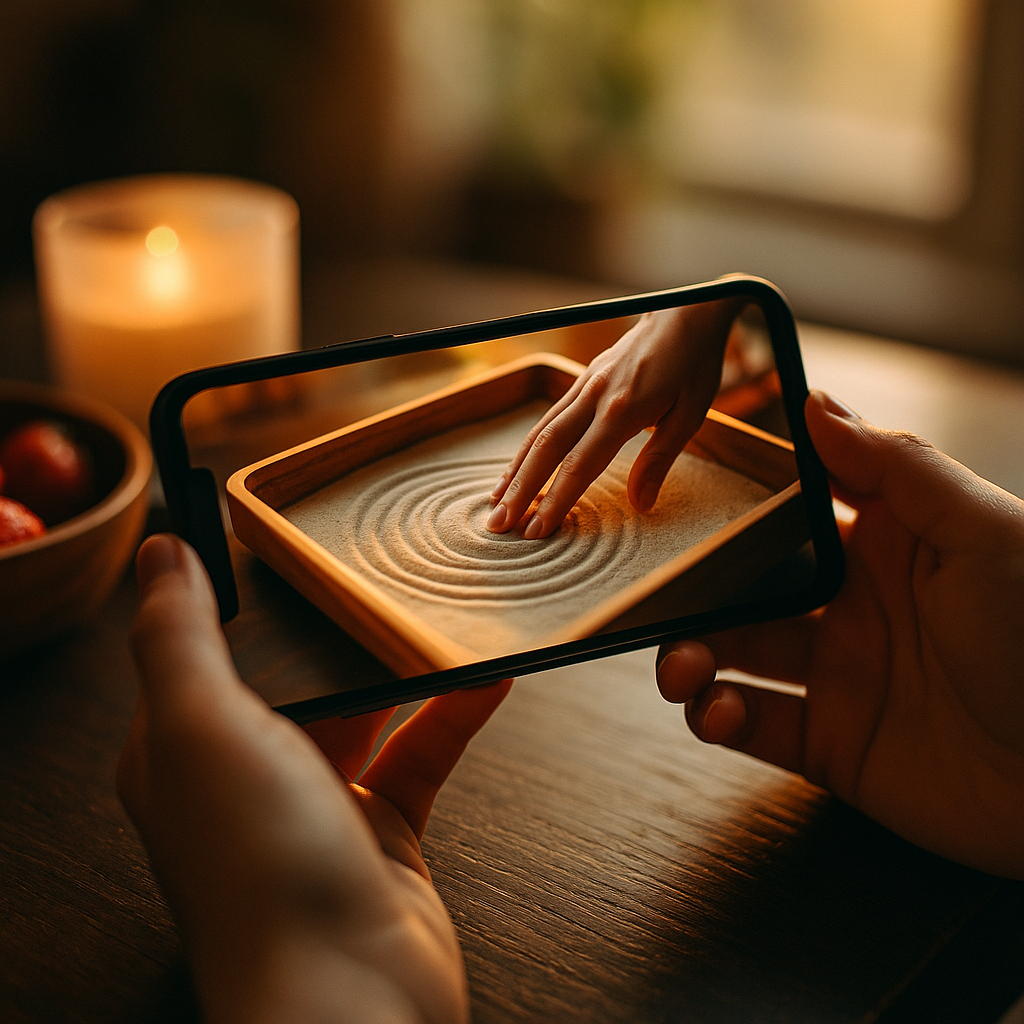
Visual ASMR has revolutionized digital marketing, captivating audiences with satisfying slime, sand, and cutting videos that boost brand engagement. As attention spans shorten in 2025, brands are tapping into these sensory experiences to create memorable online moments and drive meaningful connections. Could visual ASMR content become your brand’s secret weapon for lasting consumer loyalty? Let’s dive in and find out.
The Rise of Visual ASMR in Digital Marketing
Visual ASMR, short for Autonomous Sensory Meridian Response, harnesses the calming impact of visually gratifying content. Brands in 2025 are leveraging slime, sand, and cutting videos to transform simple product displays into addictive visual experiences. According to a Statista report published in 2024, over 70% of Gen Z consumers engage with ASMR content weekly, demonstrating its marketing relevance.
Unlike traditional commercials, visual ASMR videos appeal to the need for serenity and mindfulness, which is especially important in today’s fast-paced world. Marketers have noted higher video completion rates and longer dwell times when incorporating ASMR visual elements into campaigns. The trend is more than a passing fad—it’s an actionable strategy for brands seeking to forge deeper emotional connections with digital audiences.
Slime Videos: Sensory Appeal for Brand Stories
Slime videos excel at capturing attention with mesmerizing textures and colors. Marketers feature brand colors, logos, or even product placements within slime manipulations, turning these viral sensations into compelling branded content. According to Meta’s 2025 Creative Insights, branded slime videos hold viewer attention 40% longer than traditional product videos.
Successful campaigns from cosmetics, beverage, and toy brands illustrate slime’s versatility. For instance:
- Cosmetics: Mixing makeup palettes into transparent slime to highlight product pigments.
- Beverages: Embedding branded drink miniatures in slime, revealing them layer by layer.
- Toys: Using slime to unbox collectible figures, amplifying anticipation.
By merging tactile satisfaction with subtle branding, companies create positive mental associations that linger well after the video ends.
Sand Videos: Evoking Calm with Brand Elements
Sand-cutting videos offer a tranquil, mesmerizing break from overstimulated digital feeds. Brands utilize kinetic sand and colored blocks to demonstrate precision, quality, or creativity. For example, tech brands might shape kinetic sand to form their newest gadgets before slicing them open, while food brands carve their logos from rainbow sand cakes.
A 2025 YouTube Trends Report notes that sand ASMR videos featuring branded visuals generate a 220% increase in shares versus standard ads. This virality is linked to the universal appeal of symmetry, color, and the gentle soundscape sand offers. Brands that prioritize sensory satisfaction over hard-selling in these videos often see enhanced brand favorability and spontaneous recall.
Cutting Videos: Satisfying and Branded Visuals
Cutting videos—ranging from soap bars to cakes and various objects—capitalize on both the visual and auditory triggers of ASMR. Brands are customizing these for product launches, packaging reveals, or creative advertisements. For instance, a skincare brand might slice soap bars embossed with its logo, with each satisfying cut revealing key ingredients or brand messages embedded inside.
These videos gain traction because they promise viewers a reward—be it a visually pleasing reveal or a clever twist. They fuel curiosity and anticipation, prompting high engagement and repeat viewing. Industry data indicates that branded cutting videos drive 30% higher engagement rates than static image ads, making them an efficient tool for brand awareness and education.
Best Practices for Brands: Maximizing EEAT with Visual ASMR
To make the most of visual ASMR content, brands in 2025 focus on EEAT (Experience, Expertise, Authoritativeness, Trustworthiness). Here’s how:
- Authentic Production: Use real people and genuine reactions for credibility. Avoid effects that feel artificial or staged, as modern audiences value authenticity.
- Expert Collaboration: Collaborate with known ASMR artists or established creators who understand the nuances of visual triggers. Their expertise ensures content resonates with core audiences.
- Brand Relevance: Integrate visual ASMR elements that genuinely connect to the brand’s product or story. Avoid forced placements that disrupt the sensory experience.
- Transparent Disclosure: Adhere to all advertising guidelines by clearly labeling paid partnerships and sponsored content. This reinforces consumer trust and supports compliance.
- Continuous Optimization: Monitor engagement metrics and audience feedback to refine future ASMR campaigns and stay ahead of evolving visual trends.
By aligning creative strategies with EEAT principles, brands build both trust and emotional affinity, ensuring sustained results from their investment in visual ASMR content.
Measuring the Impact: Analytics and ROI of Visual ASMR
Accurately measuring the performance of visual ASMR campaigns enables brands to demonstrate tangible value. Key performance indicators (KPIs) include:
- Engagement Rate: Track likes, shares, comments, and time viewed to gauge audience involvement.
- Brand Lift Studies: Survey metrics tracking brand awareness, recall, and preference pre- and post-campaign.
- Conversion Rate: Measure conversions such as website visits or direct sales linked to video campaigns through tracked URLs or unique offer codes.
- Sentiment Analysis: Use AI-powered tools to assess comment tone, theme, and emotional reactions for deeper insights into audience perception.
Emerging platforms now provide even more granular data, like heatmaps showing precisely which moments in a visual ASMR video hold attention the longest. These analytics empower brands to continually optimize visual storytelling, maximize ROI, and cement customer loyalty in a visually saturated marketplace.
FAQs: Visual ASMR for Brands
-
How can my brand start using visual ASMR for marketing?
Begin by analyzing your brand’s message and audience, then develop simple concepts using slime, sand, or cutting visuals. Consider collaborating with popular ASMR creators for their expertise, and start with small, authentic campaigns to test engagement before scaling up.
-
Which platforms are best for sharing visual ASMR videos?
Instagram Reels, TikTok, and YouTube Shorts remain the top-performing platforms for visual ASMR content in 2025 due to their algorithmic promotion of satisfying, short-form videos. These platforms also offer robust analytics for tracking performance.
-
What makes ASMR videos more effective than traditional ads?
ASMR videos provide sensory satisfaction and emotional comfort, capturing attention longer and fostering stronger emotional connections. This leads to higher engagement, repeat viewing, and increased brand recall, especially among younger audiences craving innovative content experiences.
-
Are there any industries where visual ASMR doesn’t work?
Visual ASMR thrives where a product or message can be linked to satisfying visuals or textures. Brands with abstract or intangible products might struggle, but creative storytelling often uncovers surprisingly effective approaches for most industries.
-
How do I ensure my ASMR content follows legal and ethical standards?
Always disclose partnerships or paid promotions, respect platform guidelines, and avoid misleading representations. Prioritize authenticity and protect audience trust with transparent, responsible content creation and distribution.
Visual ASMR—featuring slime, sand, and cutting videos—delivers compelling brand experiences in 2025’s crowded digital landscape. By adopting best practices and measuring results, brands can achieve higher engagement and loyalty while giving audiences satisfying, memorable moments. Ready to make your brand stand out with sensory-driven content?