


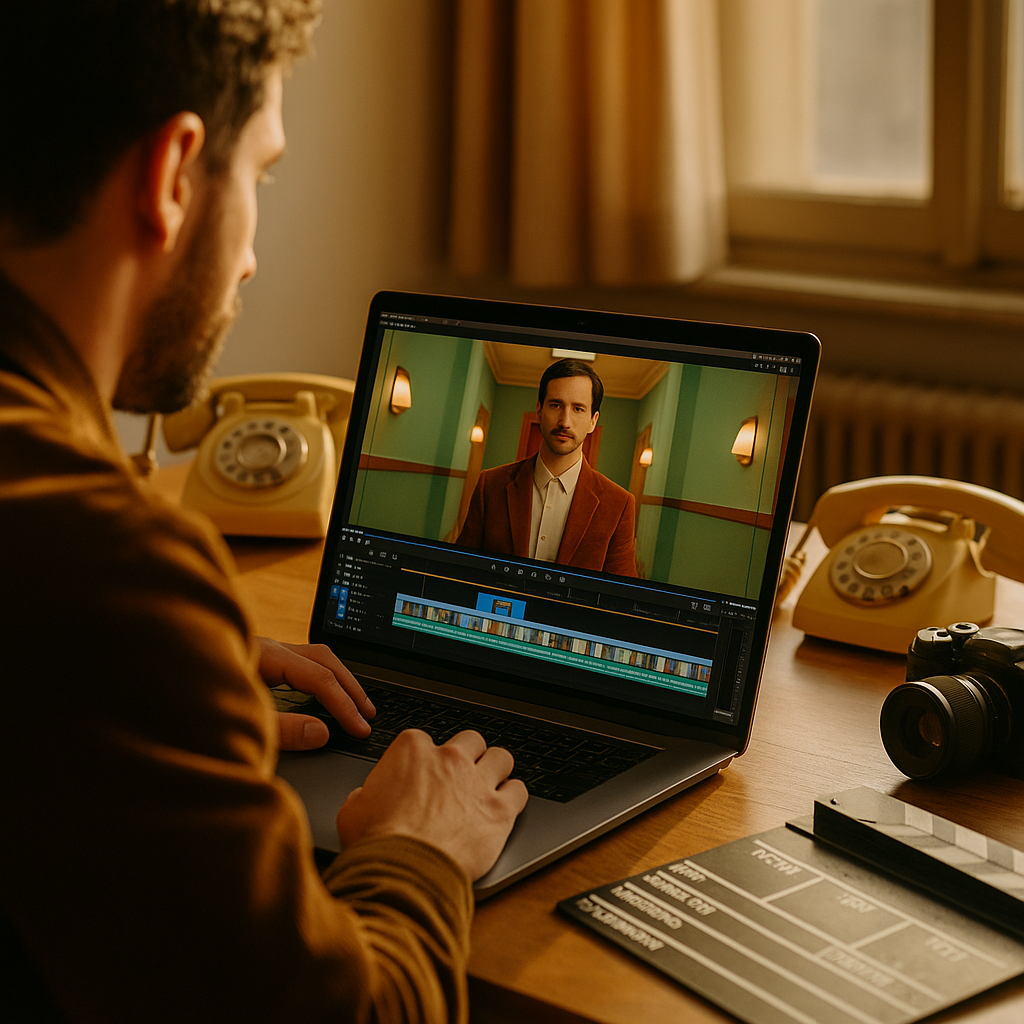
The Wes Anderson trend, featuring symmetrical storytelling, has taken the creative world by storm in 2025. From Instagram feeds to blockbuster commercials, Anderson’s distinctive visual language is everywhere. But what exactly is symmetrical storytelling, and why does it captivate modern audiences? Discover how this aesthetic is reshaping visual narratives and how you can harness its power for your own projects.
Understanding Symmetrical Storytelling in Film Direction
The essence of symmetrical storytelling lies in visual harmony and balance. Wes Anderson—an acclaimed American filmmaker—champions this technique by creating meticulously organized, mirror-like scenes in his movies. Each frame is carefully arranged, drawing the viewer’s eye to the center and inviting them to absorb every detail. The power of this approach lies in its ability to elicit both comfort and intrigue.
Film scholars attribute Anderson’s signature style to influences such as Stanley Kubrick and Jacques Tati, yet his version stands apart. He combines symmetrical composition with pastel color palettes, quirky set designs, and deadpan performances to craft worlds that feel both whimsical and authentic. This eye for detail resonates with audiences craving order in an otherwise chaotic world.
The Impact of the Wes Anderson Style on Modern Visual Content
In 2025, brands, advertisers, and content creators embrace the Wes Anderson style, recognizing its viral potential. According to Statista, Instagram posts tagged #WesAndersonStyle have increased by 35% in the last year, revealing a significant demand for symmetrical storytelling in digital content. Ad campaigns—ranging from luxury fashion to everyday products—lean into geometric layouts, saturated colors, and curated props, all curated in the spirit of Anderson’s films.
Short-form video platforms such as TikTok and YouTube Shorts also flourish with user-generated content mimicking this cinematic aesthetic. Creators shoot scenes at local diners, vintage trains, and even their own bedrooms, emphasizing balance and pleasing lines. The result? Higher engagement rates and a broader appeal among millennials and Gen Z, who favor visually arresting and emotionally resonant content.
The Psychology Behind Symmetry and Audience Engagement
It’s no coincidence that symmetrical layouts evoke strong emotional responses. Studies in neuroaesthetics, reported by the International Journal of Psychology in late 2024, suggest that the human brain naturally favors order and regularity. Symmetrical visuals are easier to process and create a sense of safety and satisfaction. This explains the “Anderson effect”—viewers linger longer and recall scenes better when exposed to harmoniously composed shots.
Marketers and filmmakers consciously incorporate these principles to enhance storytelling. By placing important narrative elements along central axes or within balanced frames, they guide viewer attention and emphasize key moments without the need for overt exposition. This nonverbal communication—rooted in psychological comfort—fosters a stronger emotional connection with the audience.
How to Incorporate Symmetrical Storytelling Into Your Content
You don’t need Hollywood budgets to integrate symmetrical storytelling into your projects. Here’s how creators and brands can make their visuals stand out using the Wes Anderson trend:
- Plan Your Composition: Use a grid or draw lines as visual guides. Keep your subjects centered, and mirror props or scenery on both sides of the frame.
- Choose a Consistent Color Palette: Anderson’s films are celebrated for their limited but impactful palettes. Pick two to four complementary colors and stick to them throughout your shoot.
- Focus on Set Design: Even ordinary locations can be transformed. Align furniture, doors, windows, and other objects to enhance symmetry. Remove distractions or clutter from the background.
- Direct Your Subjects: Guide actors or models into symmetrical poses or actions. Rehearse precise movements to achieve a polished, uniform result.
- Edit With Intention: In post-production, adjust crop and alignment to perfect symmetry. Some editors use compositing tools to duplicate elements and enhance the overall effect.
These practical steps make symmetrical storytelling accessible to professionals and amateurs alike. The key is intentional design: every aspect of the frame serves the story and the aesthetic.
Symmetry and Visual Branding: Building a Recognizable Identity
As the Wes Anderson trend continues to grow in 2025, brands are leveraging symmetrical storytelling as part of their visual branding strategies. Consistent use of balanced imagery builds a recognizable identity and establishes trust with audiences. Major retail and tech companies now brief creative teams to adopt this style in product photography, website design, and even packaging.
This signature look communicates meticulousness, sophistication, and playfulness. According to HubSpot’s recent visual marketing survey, 78% of consumers find symmetrical branding more memorable and are more likely to associate it with premium products. For startups and small businesses, even subtle nods to Anderson’s approach—like cohesive IG grids or symmetrical storefront displays—can provide a competitive edge.
The Future of the Wes Anderson Trend: Symmetry Across Industries
The symmetrical storytelling trend shows no signs of slowing down. Leading design schools are now offering courses specifically on Anderson-inspired aesthetics, while AI-powered editing tools can automate symmetrical composition suggestions. Beyond film and advertising, such balance is influencing architecture, graphic design, and even virtual reality experiences. This speaks to a larger movement: as digital noise grows, consumers increasingly seek out clarity, harmony, and artistry in the content they engage with.
For content creators and marketers, staying ahead means both understanding the roots of this trend and experimenting with its boundaries. Whether used for nostalgia, humor, or elegance, symmetrical storytelling is a powerful tool for emotional and cognitive impact across all visual mediums in 2025.
Conclusion: Harness the Power of Symmetrical Storytelling
Symmetrical storytelling, popularized by the Wes Anderson trend, is more than a passing fad—it’s a proven technique that enhances visual engagement by blending artistry and psychology. By thoughtfully applying these principles, creators and brands can craft content that stands out, delights, and endures. Embrace symmetry, and transform your stories into unforgettable visual experiences.
FAQs: The Wes Anderson Trend and Symmetrical Storytelling
-
What is symmetrical storytelling?
Symmetrical storytelling involves structuring visuals so that both sides of the frame mirror each other. This style draws in the viewer through balance and harmony, making the content more memorable and engaging. -
Why has the Wes Anderson style become so popular?
The Wes Anderson style appeals to audiences because it offers visual order, a distinct color palette, and whimsical set design. In the digital age, this clear and recognizable approach stands out and resonates emotionally. -
How can I achieve the Wes Anderson look in my own photos or videos?
Center your subjects, use symmetry, maintain a consistent color palette, minimize clutter, and edit for balance. These techniques collectively create the unmistakable Wes Anderson effect, even on a small budget. -
Is symmetrical storytelling only for films?
No. While it originated in film, symmetrical storytelling is now widely used in photography, social media content, advertising, and branding. Its reach continues to expand across various creative industries. -
Does symmetrical content perform better online?
Recent statistics and marketing studies confirm increased viewer engagement, longer attention spans, and higher brand recall with symmetrical content—making it a valuable strategy for digital creators and marketers.