


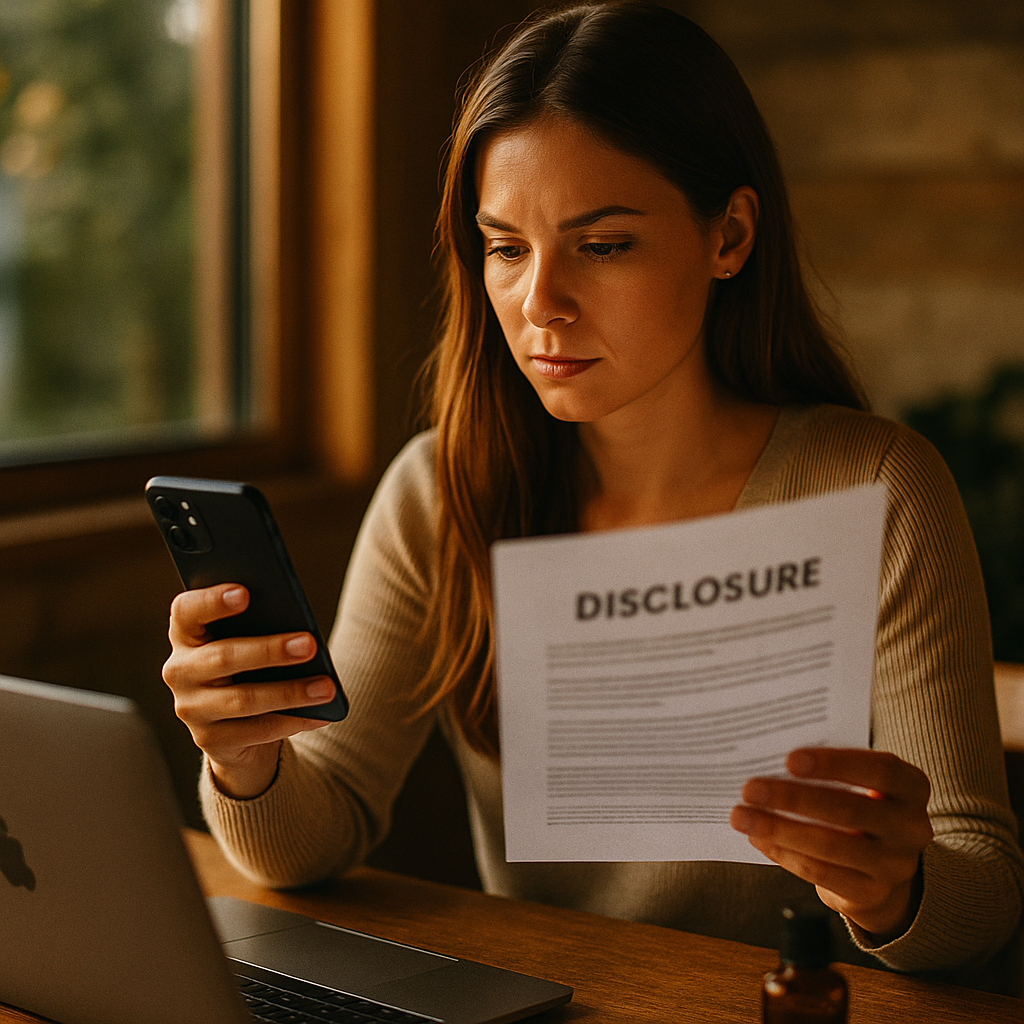
Staying compliant with influencer disclosure rules is essential for brands collaborating on sponsored content in 2025. Understanding the latest legal requirements and best practices helps protect your reputation and build trust with consumers. In this article, learn the updates, key regulations, and actionable steps every brand should follow to ensure successful, transparent influencer partnerships.
The Rise of Influencer Marketing Compliance
Influencer marketing is now a dominant force in digital advertising, projected to surpass $26 billion in global spending in 2025. With increased investment comes greater regulatory scrutiny. Governments and industry bodies worldwide have updated influencer disclosure requirements to shield consumers from deceptive content and ensure brands maintain ethical marketing standards.
Modern consumers are also savvier, with 92% saying that transparent sponsored content increases brand trust (Statista, early 2025). Brands and influencers must therefore be vigilant in following compliance rules, not only to avoid fines but also to cultivate authentic relationships with their audiences. Ignorance of disclosure regulations is no longer a valid excuse.
Key Influencer Disclosure Regulations Brands Must Follow
While rules can vary globally, several core influencer disclosure requirements apply in major markets:
- Clear Identification: The commercial nature of content must be immediately obvious to viewers. Using explicit terms like “Ad,” “Sponsored,” or “Paid Partnership” at the start of each post or video is required.
- Placement and Visibility: Disclosures must be easy to notice—not hidden in captions, at the end of videos, or in ambiguous hashtags. The average consumer must recognize the sponsorship without effort.
- Consistency Across Platforms: Whether on Instagram, TikTok, YouTube, or emerging platforms, the same disclosure standards apply. Automatic platform tags may not suffice unless they’re prominent and clear.
- Affiliate and Gifted Content: Brands must ensure influencers disclose all forms of compensation, including free products, discounts, or affiliate links, not just direct payments.
- No Misleading Messaging: Disclosures must not be buried among hashtags or written in ways that could confuse the audience. Be direct and avoid jargon.
Agencies, legal specialists, and regulatory authorities all agree: consumers should never have to “wonder” whether an influencer was paid. If in doubt, disclose.
How Brands Can Implement Robust Disclosure Practices
Implementing strong influencer disclosure rules is not just the influencer’s responsibility—brands face fines and reputational risk for violations. Here’s how to ensure effective compliance:
- Develop Clear Guidelines: Create influencer guidelines, regularly updated with the latest legal requirements. Specify approved disclosure language and placement for every platform and type of partnership.
- Educate and Train: Provide training materials or webinars for influencers and agency partners, emphasizing why disclosure matters for both legal and ethical reasons.
- Vet Influencer Content Pre-Publication: Build content approval workflows that include disclosure checks before content goes live. Flag improper disclosures for revision.
- Audit and Monitor: Periodically review live influencer content to ensure compliance. Use third-party auditing tools where possible to track large campaigns.
- Maintain Documentation: Keep a record of all disclosed influencer content, contracts, and communications. This documentation is your protection during an audit or dispute.
By standardizing these processes, brands reduce risk and set clear expectations for all influencer partners.
Platform-Specific Influencer Disclosure Best Practices
Each social media platform has unique features and evolving disclosure tools. Here’s what brands should watch for in 2025:
- Instagram: Use the official “Paid partnership” tag on posts and stories and require influencers to include “#ad” or “Sponsored” at the beginning of captions and reels.
- TikTok: Ensure disclosures appear within the first few seconds of any video, both as on-screen text and in the caption. Don’t rely solely on small labels or overlaid graphics.
- YouTube: Disclosures should be spoken in the video introduction, appear in the video description’s first line, and, if possible, displayed visually in the video itself.
- Podcasts: Audio disclosures must be included clearly at the start of every sponsored segment, and ideally repeated for longer episodes.
- Blogs/Websites: Written disclosures must appear at the top of articles, above the fold and before any affiliate links or product placements.
New platforms or features may introduce additional requirements. Always monitor policy updates and collaborate with knowledgeable influencers who stay informed on disclosure changes.
Legal Consequences of Failing to Disclose Properly
Regulatory bodies such as the FTC, ASA, and the ACCC have stepped up enforcement efforts and public monitoring of influencer campaigns. Violations can result in:
- Substantial fines — multi-million dollar penalties have been levied for misleading ads.
- Public reprimand and negative press that may erode brand reputation and consumer trust.
- Requirement to correct or remove non-compliant content and compensate affected consumers.
Recent enforcement trends show regulators focusing on both individual influencers and the brands behind the campaigns. Brands can’t escape liability by blaming agency partners or claiming ignorance. Strong contracts and internal compliance programs are crucial safeguards.
More importantly, public trust is on the line. A single failed disclosure can spark social media backlash and diminish years of credibility, especially as consumers increasingly expect ethical marketing practices in 2025.
Building Long-Term Trust Through Transparent Practices
Effective influencer disclosure is about more than avoiding penalties—it’s a cornerstone of ethical marketing and long-term brand equity. By leading with transparency, brands demonstrate respect for their audiences and foster loyal communities. Well-disclosed partnerships are proven to perform better, with higher engagement and conversion rates, as audiences reward honesty.
Transparency also benefits influencers, protecting their own reputations and career longevity. Collaborate with partners who are informed, proactive, and embrace open communication around sponsored content.
Smart brands don’t view influencer disclosure rules as a burden—they embrace them as a means to build stronger, more authentic consumer relationships in a digital-first world.
FAQs About Influencer Disclosure Rules
-
What counts as compensation that requires disclosure?
Any form of value provided to an influencer—including cash, free products, trips, experiences, discounts, or affiliate commissions—requires explicit disclosure, regardless of the amount.
-
Who is responsible for enforcing influencer disclosure: the brand or the influencer?
Both parties share responsibility. Brands must provide guidelines and oversight, while influencers must implement proper disclosures. Regulators may fine either or both for violations.
-
Are hashtags like #sp or #collab enough?
No. Disclosures must be unambiguous. The most widely accepted hashtags are #ad or #sponsored, placed at the beginning of captions. Avoid abbreviations or vague language.
-
Do micro-influencers and nano-influencers have to follow the same rules?
Yes. Disclosure rules apply regardless of audience size. All paid or compensated partnerships must be clearly identified to comply with legal requirements.
-
What should brands do if a partner fails to disclose?
Immediately request that the influencer corrects the disclosure. Document your communication, and review your partnership agreement to ensure compliance in future collaborations.
To summarize, understanding influencer disclosure rules is now a non-negotiable aspect of digital marketing compliance. Brands who set the bar high for transparency not only avoid legal risks but also win lasting consumer trust in the evolving influencer space of 2025.