


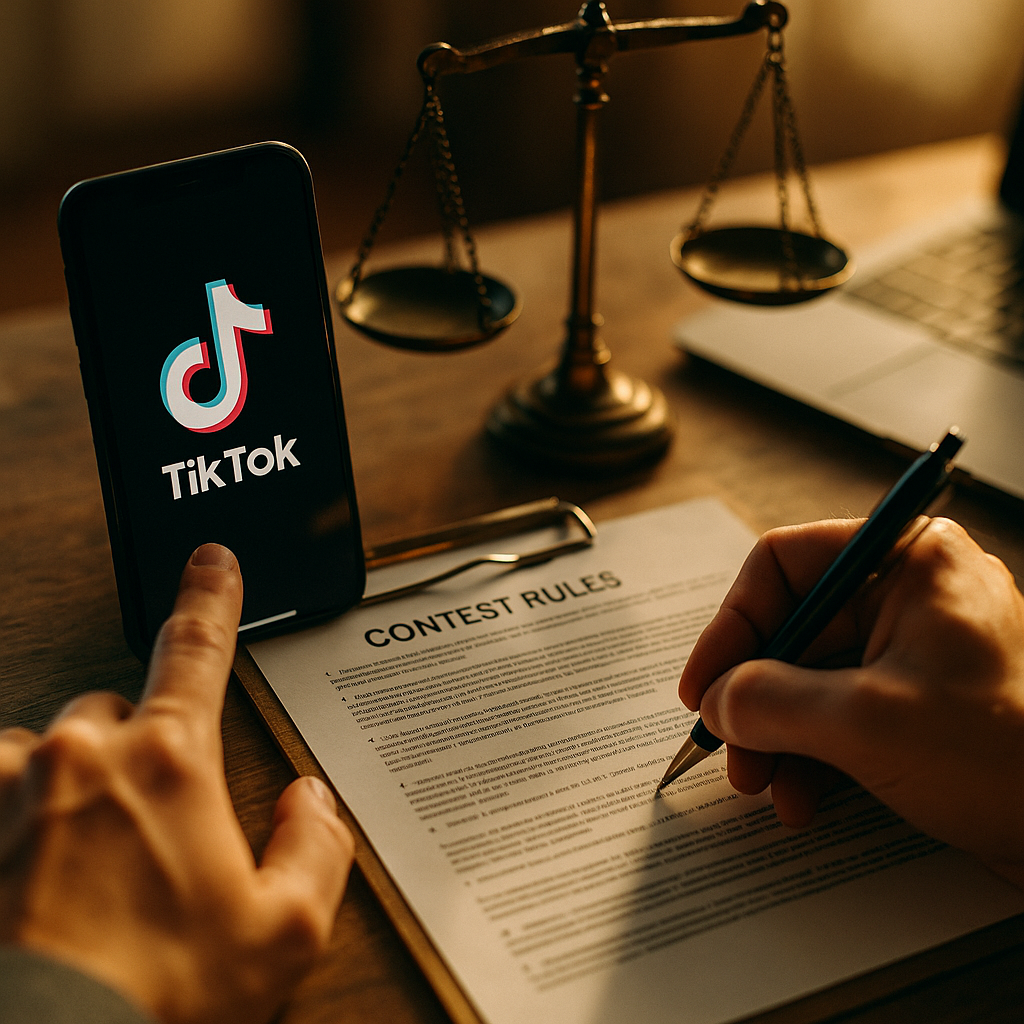
Understanding contest rules for TikTok challenges is essential for brands and creators aiming to increase engagement, foster creativity, and ensure legal compliance in 2025. This comprehensive guide uncovers the key factors you need to consider, from eligibility requirements to prize distribution, helping you host successful TikTok contests that delight and protect your community.
Understanding Legal Requirements for TikTok Challenge Rules
Running a TikTok challenge in 2025 means keeping up with evolving legal standards. Compliance with regulations protects your brand and participants. TikTok’s Community Guidelines require all contests to be “administered in a fair and transparent manner,” making legal literacy non-negotiable. Consider these points:
- Clear Disclosure: FTC guidelines in the U.S. demand that any brand-involved contest include disclosures (like #ad or #contest) in video descriptions.
- Eligibility Restrictions: Age, residency, and membership rules must comply with both TikTok’s policies and local laws. For example, most regions require entrants to be 18+.
- Data Privacy: Securely collecting, storing, and processing participant information is critical. Refer to the latest GDPR or CCPA requirements if targeting those territories.
Consult your legal advisor when drafting rules to align with the latest regional laws. A poorly worded rule set could lead to contest suspension—or worse, financial penalties.
Outlining Clear Entry and Participation Criteria
Clarity drives success in any TikTok contest. Clearly outlined participation criteria help both organizers and entrants avoid confusion and disputes. Here’s how to set strong entry requirements:
- Define the Task: Specify what counts as a valid entry. For example: “Create a 30-second dance video using our branded sound and include #YourChallenge2025.”
- Timeframe: Indicate start and end dates, explicitly stating your time zone (e.g., 9 a.m. EST on January 10 to 11:59 p.m. EST on January 15, 2025).
- Format & Creativity Requirements: Clarify if participants must use specific music, effects, or hashtags, or if there are no restrictions.
- Limit Entries: State whether individuals may enter more than once or if only one submission per user is allowed.
Well-stated participation rules not only boost contest credibility but also enhance user experience by setting predictable boundaries for competition.
Judging, Selection, and Winner Notification Processes
How winners are chosen is often the most scrutinized element of contest rules for TikTok challenges. Transparency ensures all participants perceive the contest as fair. Consider these best practices:
- Objective or Subjective: Is the winner decided by number of likes, an expert panel, or a random draw? Clearly state the judging methodology.
- Judging Criteria: If a jury is involved, outline what qualities are being evaluated—such as originality, relevance to theme, or creative use of TikTok features.
- Timeline for Judging: State when the review and selection period will occur, and when winners will be announced (e.g., “Winners will be notified via TikTok DM by February 1, 2025”).
- Handling Disputes: Explain how tie-breakers or disputes will be resolved to minimize confusion and complaints.
Being upfront with these details builds trust and shields your brand from accusations of bias or favoritism.
Prize Distribution and Tax Implications
Prizes are the heartbeat of most challenges, but delivering them smoothly is critical to contest integrity. Here’s how to navigate this terrain in 2025:
- Prize Description: Detail each prize’s value and nature (e.g., cash, merchandise, gift codes), ensuring no ambiguity.
- Claim Instructions: Outline how winners will claim prizes, what identification (if any) is required, and applicable deadlines. Consider using multi-step verification to avoid fraud.
- Tax Considerations: In many jurisdictions, prize winners must report awards as taxable income. Your rules should advise entrants of potential tax obligations based on the latest guidelines.
- International Shipping: If your contest is global, clarify who covers shipping and customs fees for physical prizes.
Proactive, transparent prize logistics not only keep you legally protected but also encourage more high-quality entries.
Best Practices for Promoting TikTok Challenge Rules
Thoroughly publicized contest rules for TikTok challenges boost legitimacy and compliance while maximizing reach. Champion transparency at every touchpoint:
- Create a Dedicated Rules Page: Host detailed contest rules on your website or a link-in-bio tool, making them accessible from your TikTok bio and every contest video.
- Pin Clarifying Comments: On your challenge post, pin a comment summarizing the rules and linking to the full set for rapid reminders.
- Address Questions Publicly: Respond to frequently asked questions in your comments or with a follow-up TikTok video.
- Update as Needed: If you spot confusion or discover a loophole, publicly update the rules and alert participants to the change.
Thorough, easily-accessible rules set the tone for your contest and can significantly reduce administrative headaches later on.
Ensuring Fairness and Preventing Abuse
Safeguarding the integrity of TikTok challenges is paramount as contests draw larger and more diverse participant pools. Common pitfalls in 2025 include fake accounts, vote manipulation, and copyrighted content misuse. Apply these measures:
- Require Unique Content: Insist on original videos, and monitor for reuploads or plagiarism using TikTok’s Duet and Stitch tracking.
- Mitigate Vote Farming: Avoid relying solely on like counts. Consider blending community votes with panel judgment or implementing AI-powered fraud detection.
- Automate Entry Review: Leverage moderation tools or TikTok’s in-built filtering to flag inappropriate content or spam.
- Enforce Copyright Policies: Encourage music and content that adheres to TikTok’s copyright guidelines to avoid takedowns and legal trouble.
Vigilant moderation and clearly stated consequences for rule-breaking ensure a fair, fun, and brand-safe TikTok campaign.
Conclusion
Mastering contest rules for TikTok challenges is crucial for running legal, engaging, and effective campaigns in 2025. From legal compliance to transparent judging and proactive promotion, these best practices empower you to confidently host TikTok contests that benefit communities and brands alike. Set clear boundaries—and watch your next TikTok challenge thrive.
FAQs About Contest Rules For TikTok Challenges
-
Do I need official rules for every TikTok challenge I run?
Yes. Official rules protect organizers and participants, ensuring transparency and compliance with TikTok’s guidelines and applicable laws. Failing to publish clear rules can result in contest removal or legal action.
-
What should I include in TikTok contest eligibility requirements?
Clearly specify minimum age, residency, and any platform-specific requirements. Indicate if employees or previous winners are eligible, and highlight any legal restrictions relevant to your audience’s location.
-
How can I prevent cheating in TikTok challenges?
Combine technology and policy: use AI moderation to flag suspicious activity, require original content, and outline strict consequences for fraudulent behavior in your rules.
-
Are TikTok contest prizes subject to taxes?
In most regions, contest prizes are considered taxable income. Winners should consult local tax authorities, and organizers should mention tax implications in the contest rules.
-
Can international users join my TikTok contest?
Yes, but check local laws, especially regarding age and prize eligibility. Specify eligible countries in the rules, and outline shipping or customs responsibilities for prizes.