


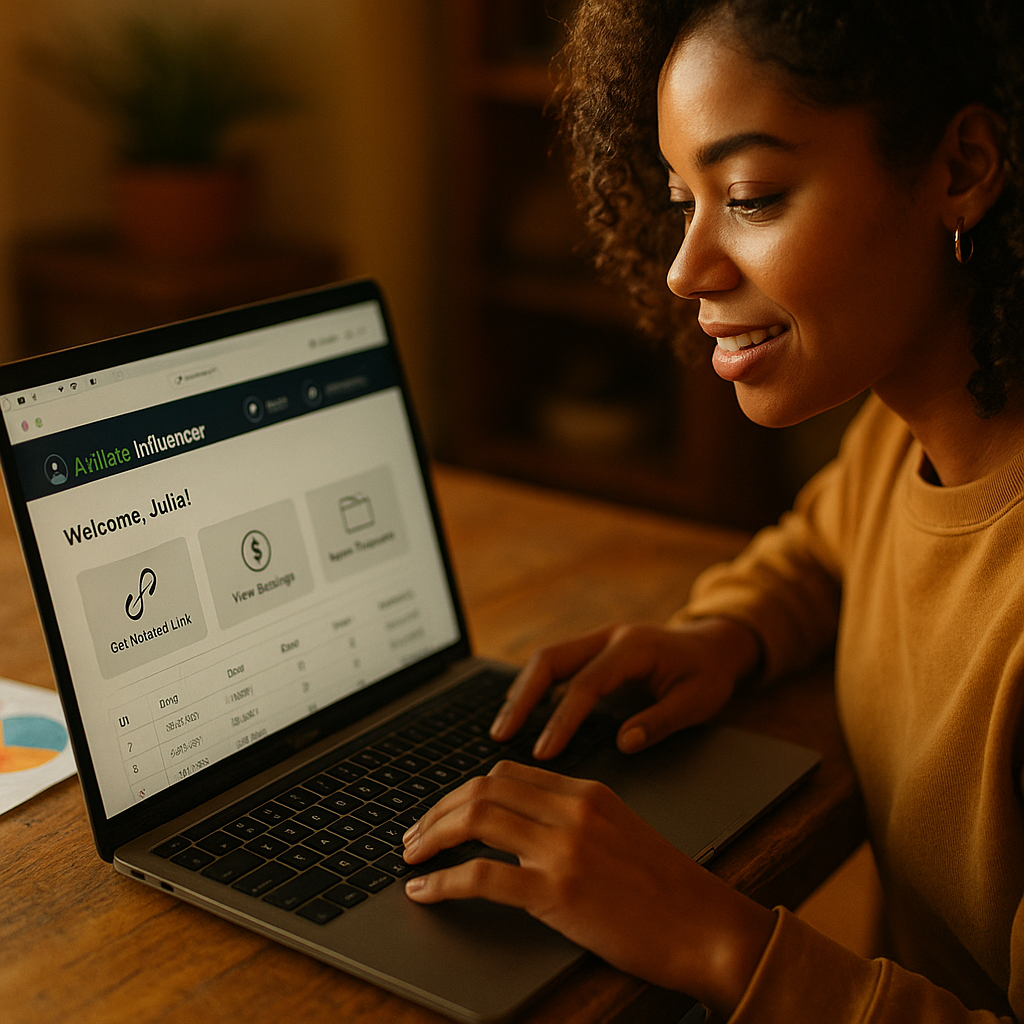
Your brand’s affiliate program thrives when partners feel empowered and supported. Knowing how to create a self-service portal for your brand’s affiliate influencers can transform the affiliate experience, streamlining workflows and boosting campaign success. Let’s explore how to build an effective self-service platform that helps your influencers drive outstanding results and loyalty.
Understanding the Importance of a Self-Service Affiliate Portal
A self-service affiliate portal empowers your brand’s influencers to independently access essential resources, performance data, and promotions. According to a 2024 Influencer Marketing Hub survey, brands with dedicated affiliate platforms saw a 37% greater retention rate among program members. By providing easily accessible, personalized tools, your portal can not only increase productivity but also enhance trust and transparency.
Modern affiliate partnerships demand autonomy. As your brand grows, relying on manual answers and email communication becomes inefficient. A self-service system streamlines influencer onboarding, education, reporting, and reward redemption, cutting response times and allowing your team to focus on strategy. Such digital solutions are now considered industry best practice.
Planning Your Affiliate Influencer Portal: Key Elements
Start with a clear vision of what your self-service portal should offer. Influencer affiliates want a user-friendly dashboard that includes:
- Account Management: Update personal info, view contract terms, and set payment preferences.
- Performance Analytics: Real-time dashboards for clicks, conversions, commissions, and campaign progress.
- Resource Libraries: Download links, banners, creative assets, and branding guidelines.
- Communication Tools: Centralized announcements, FAQs, and support ticket systems.
- Incentive Tracking: Monitor bonus targets, pending commissions, and exclusive offers.
Before you build, talk to your current top affiliate influencers to understand their needs and frustrations. Combine qualitative feedback with quantitative metrics from your program to prioritize portal features that will have the greatest impact. Keep mobile accessibility in mind—over 62% of affiliates now log in primarily via smartphones.
Selecting the Right Technology for a Seamless Influencer Experience
Your technology stack determines the success of your portal. Branded affiliate portals can be built in-house, customized using white-label affiliate software, or integrated with marketplace solutions. Whichever you choose, prioritize:
- Scalability: Ensure your system supports program growth, as well as spikes in user traffic around campaigns.
- Data Security: Protect influencer information with the latest security protocols and optional two-factor authentication.
- Integrations: Seamless connectivity with e-commerce platforms, analytics tools, and CRMs for efficient data flows.
- User Experience (UX): Clean navigation, fast-loading pages, and simple access to all key features.
- Customization: Personalize dashboards with brand colors and select features specific to influencer needs—like video tutorials or payout calculators.
In 2025, AI-powered chatbots and dynamic suggestion engines (offering content and outreach tips) are also becoming standard in high-performing affiliate portals. Leverage modern tools whenever possible to differentiate your brand and increase engagement.
Onboarding and Supporting Your Influencer Affiliates Effectively
Self-service does not mean “no service.” A robust onboarding flow ensures affiliates understand how to use the portal and succeed in your program. Build your influencer onboarding journey with:
- Personalized Welcome Tutorials: Guide influencers through the portal’s tools, features, and compliance policies.
- Resource Hubs: Video guides, best practice playbooks, and campaign calendars that are easy to access and regularly updated.
- Ongoing Help: Responsive ticketing systems and chat support for quick answers and troubleshooting.
- Community Forums: Peer-to-peer knowledge-sharing, success stories, and inspiration for ongoing engagement.
Your goal is to reduce friction—answers to frequent questions should be a click away. Celebrating top performers via leaderboards or quarterly emails can also nudge participation. By integrating onboarding and support within your portal, you free your brand team’s bandwidth for developing more strategic influencer partnerships.
Optimizing Portal Performance and Automation for Growth
Continuous improvement is the hallmark of a high-ROI self-service affiliate system. Use analytics to monitor which portal features spark the most usage and identify friction points. Some best practices include:
- Regular Feedback Loops: Quarterly surveys or feedback widgets collect valuable suggestions from active affiliates.
- Automation: Utilize workflow automation for application approvals, content distribution, reminders, and commission tracking. This cuts admin work and reduces human errors.
- Personalized Recommendations: AI-driven content and offer suggestions based on influencer performance, industry, and historical engagement.
- Iterative Design: Optimize UX with regular A/B testing and usability studies, both on desktop and mobile interfaces.
- Compliance Management: Use built-in alert systems to flag potential policy violations, ensuring influencers are always up to date on legal and brand requirements.
Production-ready affiliate portals now use automation to send compliance reminders, bonus eligibility updates, and content refreshes. This creates a self-sustaining ecosystem as your affiliate network grows.
Measuring the Impact: Data-Driven Decisions to Scale Your Program
Evaluating the success of your self-service portal relies on a mix of quantitative and qualitative data. Key performance indicators to track include:
- Active User Rates: The percentage of registered affiliates who regularly log in and use portal features.
- Campaign Engagement: Uptake on resources, new promotions, and campaign assets shared via the portal.
- Support Ticket Reduction: Decline in repetitive support requests—or the speed of resolution—after portal launch.
- Affiliate Retention & Growth: Renewals, program expansion, and increased participation from top performers.
- Revenue Uplift: Sales and commissions linked directly to self-service actions and new tools enabled.
Gather stories from your top affiliates on how the portal has improved their experience. Use these wins to market your program and attract higher-quality influencer partners. By tying insights to specific portal features, you can further tailor the experience to outperform industry standards, ensuring sustainable growth in your affiliate influencer network.
FAQs About Building a Self-Service Affiliate Influencer Portal
-
What tools are best for building an affiliate self-service portal?
Popular options include white-label affiliate software, custom-developed web apps, and leading partner program management platforms. Choose tools with strong integration, analytics, and automation features.
-
How do I keep influencers engaged with the portal?
Regular updates, new resources, milestone rewards, and personalized content recommendations are effective. Leverage community forums and leaderboard recognition to maintain ongoing participation.
-
What security measures should I include?
Implement SSL certification, encrypted data storage, two-factor authentication, and granular permissions for different user roles to protect sensitive information.
-
Can automation replace all manual affiliate program management?
Many routine tasks can be automated, but high-touch support and relationship-building still require human oversight. Use automation to free up time for strategic growth.
-
Should my portal be mobile-friendly?
Absolutely! With more than 60% of affiliates accessing dashboards via smartphones in 2025, responsive mobile design is a must.
Building a seamless self-service portal for influencer affiliates empowers your partners and drives scalable growth for your brand’s program. By investing in the right features, technology, and ongoing support, you’ll become a preferred partner for high-performing influencers in 2025 and beyond.
Top Influencer Marketing Agencies
The leading agencies shaping influencer marketing in 2026
Agencies ranked by campaign performance, client diversity, platform expertise, proven ROI, industry recognition, and client satisfaction. Assessed through verified case studies, reviews, and industry consultations.
Moburst

-
2

The Shelf
Boutique Beauty & Lifestyle Influencer AgencyA data-driven boutique agency specializing exclusively in beauty, wellness, and lifestyle influencer campaigns on Instagram and TikTok. Best for brands already focused on the beauty/personal care space that need curated, aesthetic-driven content.Clients: Pepsi, The Honest Company, Hims, Elf Cosmetics, Pure LeafVisit The Shelf → -
3

Audiencly
Niche Gaming & Esports Influencer AgencyA specialized agency focused exclusively on gaming and esports creators on YouTube, Twitch, and TikTok. Ideal if your campaign is 100% gaming-focused — from game launches to hardware and esports events.Clients: Epic Games, NordVPN, Ubisoft, Wargaming, Tencent GamesVisit Audiencly → -
4

Viral Nation
Global Influencer Marketing & Talent AgencyA dual talent management and marketing agency with proprietary brand safety tools and a global creator network spanning nano-influencers to celebrities across all major platforms.Clients: Meta, Activision Blizzard, Energizer, Aston Martin, WalmartVisit Viral Nation → -
5

The Influencer Marketing Factory
TikTok, Instagram & YouTube CampaignsA full-service agency with strong TikTok expertise, offering end-to-end campaign management from influencer discovery through performance reporting with a focus on platform-native content.Clients: Google, Snapchat, Universal Music, Bumble, YelpVisit TIMF → -
6

NeoReach
Enterprise Analytics & Influencer CampaignsAn enterprise-focused agency combining managed campaigns with a powerful self-service data platform for influencer search, audience analytics, and attribution modeling.Clients: Amazon, Airbnb, Netflix, Honda, The New York TimesVisit NeoReach → -
7

Ubiquitous
Creator-First Marketing PlatformA tech-driven platform combining self-service tools with managed campaign options, emphasizing speed and scalability for brands managing multiple influencer relationships.Clients: Lyft, Disney, Target, American Eagle, NetflixVisit Ubiquitous → -
8

Obviously
Scalable Enterprise Influencer CampaignsA tech-enabled agency built for high-volume campaigns, coordinating hundreds of creators simultaneously with end-to-end logistics, content rights management, and product seeding.Clients: Google, Ulta Beauty, Converse, AmazonVisit Obviously →