


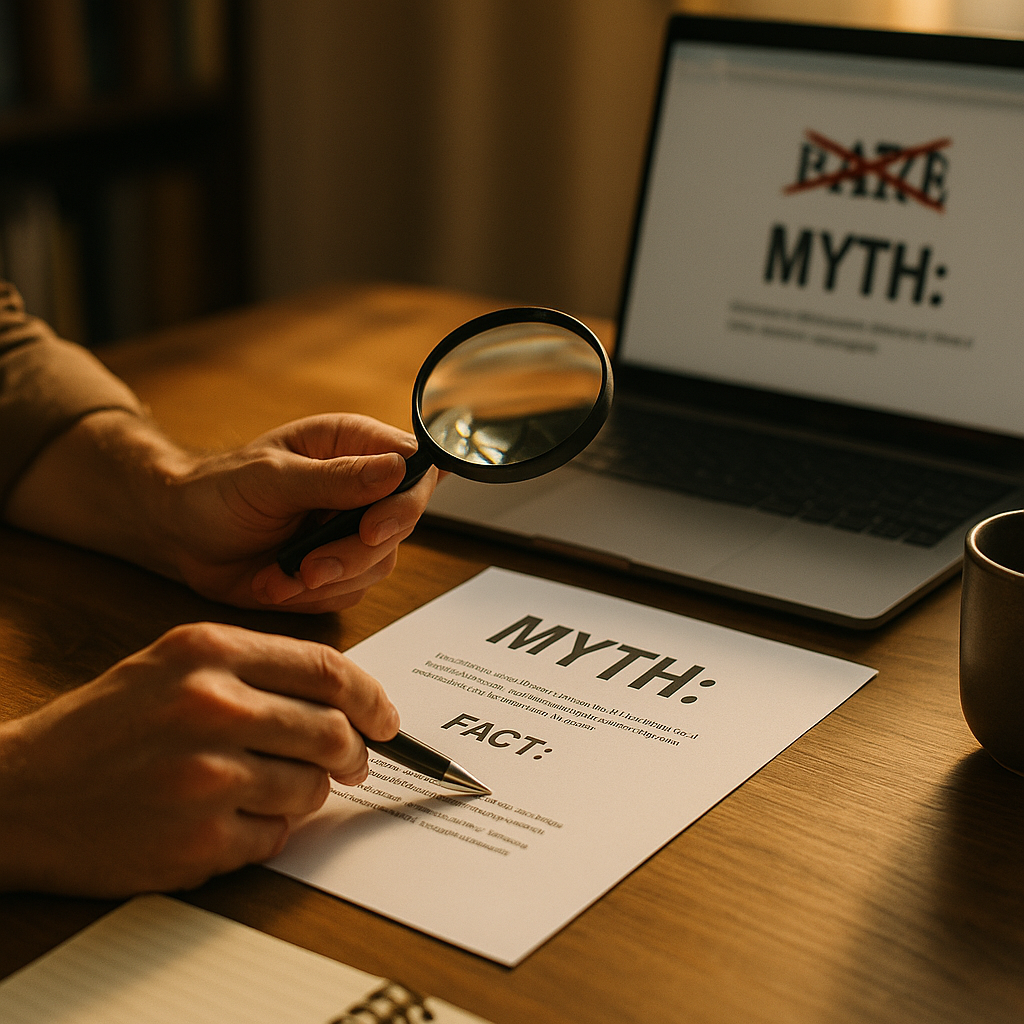
The myth busting format is a strategic approach to content creation that helps businesses dispel misconceptions and educate their audiences. By addressing false beliefs head-on, brands build trust and establish authority. In a digital world awash with misinformation, learning to master the myth busting format can transform your industry presence—are you ready to challenge the status quo?
The Importance of Industry Myth Busting for Credibility
Trust is the cornerstone of any successful business relationship. In industries ranging from healthcare to finance, myths and misconceptions can thrive, eroding customer confidence and impeding informed decisions. By proactively debunking myths through well-researched content, you reinforce your reputation as a knowledgeable, transparent, and ethical leader. This approach is central to Google’s EEAT (Experience, Expertise, Authoritativeness, Trustworthiness) guidelines, which prioritize content that demonstrates clear industry expertise and value to readers. Adopting the myth busting format shows your brand values transparency—a trait that 88% of modern customers expect when engaging with companies, according to a 2024 Sprout Social study.
How to Identify Common Myths and Misconceptions
Before you can dispel industry myths, you must first identify them. Start by engaging directly with customers—monitor questions they ask through customer service channels, social media, reviews, and forums. Consider:
- Gathering FAQs from your support team’s records
- Scanning forums like Reddit and Quora for recurring themes
- Auditing blog comments, testimonials, and competitor content
- Utilizing keyword research tools to identify “myth” or “misconception” queries
Surprisingly, myths often persist because they are rarely addressed in mainstream content. The myth busting format gives you the opportunity to set the record straight where others have failed.
Crafting SEO-Friendly Myth Busting Content
Structure is crucial when tackling misconceptions. Begin each article or section by clearly stating the myth. Follow with a concise, evidence-based rebuttal that leverages your unique experience. Include recent data, case studies, and quotable insights to reinforce your points. For maximum search engine optimization (SEO) benefit, incorporate primary keywords as well as relevant secondary keywords in headers and naturally throughout the text.
Use the following approach:
- State the myth: E.g., “You must spend a fortune to create quality content.”
- Offer a brief, direct correction: “Many high-performing campaigns rely on creativity and strategy rather than huge budgets.”
- Present evidence: Cite studies, survey data, or real-world examples from your experience.
- Conclude with actionable advice: Provide clear steps for readers to follow.
This methodical presentation not only boosts EEAT signals but also gives readers logical, actionable reasons to reconsider old assumptions.
Leveraging Expertise and Authority for Effective Debunking
Google’s focus on experience and authoritativeness underscores the need for industry insiders—whether thought leaders, long-time practitioners, or credentialed experts—to spearhead myth busting. Draw on your team’s real-world experience and cite up-to-date industry sources. Where possible, incorporate:
- Expert quotes from your organization
- Links to primary research or recent, trusted publications
- Clear author bios listing credentials and relevant experience
Transparency is key: readers should understand why your debunking is trustworthy. For example, if you’re correcting myths about cloud security in 2025, mention compliance updates or certifications that validate your viewpoint. This not only dispels doubt but also fosters long-term loyalty among your audience.
Engagement Tactics: Making Myth Busting Interactive
Today’s users expect content to be both informative and engaging. Use interactive elements to invite participation and deepen understanding:
- Polls and quizzes: Test knowledge and reveal how widespread each myth is.
- Infographics: Visualize data to make complex corrections more accessible.
- Social sharing prompts: Encourage readers to share their own experiences or misconceptions.
- Comments and discussion: Foster dialogue, allowing users to ask questions or challenge your assertions—then respond with evidence.
By directly involving readers, you reinforce the learning process and amplify your message across platforms. This interaction also creates an ongoing feedback loop, revealing new myths to address in future content.
Measuring the Impact of Your Myth Busting Format
Effective myth busting isn’t just about posting content—it’s about tracking real-world impact. Set clear KPIs, such as:
- Increased time on page
- Reduction in recurring customer misconceptions
- Improved trust signals (such as positive brand sentiment or loyalty scores)
- Growth in organic search rankings for key “myth” queries
Use analytics tools to monitor user behavior and feedback. Regularly update your myth busting articles as new data or industry standards emerge; this helps maintain both accuracy and authority. By measuring performance, you close the loop and ensure your content continually delivers value—demonstrating genuine industry leadership.
FAQs About the Myth Busting Format
-
What is the myth busting format?
The myth busting format is a content structure that identifies common misconceptions within an industry and systematically debunks them using evidence, expert insight, and practical advice.
-
Why should my business use the myth busting format?
It builds trust, showcases your expertise, aligns with Google’s EEAT best practices, and boosts your visibility by addressing questions your customers are already asking.
-
How do I find the right myths to address?
Monitor customer feedback, review support requests, scan relevant forums, and use keyword tools to identify recurring myths and misconceptions specific to your audience.
-
How often should I update myth busting content?
Review myth busting articles at least semi-annually or whenever new research, industry changes, or customer feedback signal that your information could be outdated.
-
How do I ensure my content is trustworthy?
Reference recent data, cite respected sources, display author credentials, and be fully transparent about your methodology and any potential conflicts of interest.
The myth busting format empowers brands to educate audiences, correct misunderstandings, and drive meaningful engagement. By integrating evidence, expert insight, and continual updates, you build lasting trust—positioning your business as the go-to resource in your industry.
Top Influencer Marketing Agencies
The leading agencies shaping influencer marketing in 2026
Agencies ranked by campaign performance, client diversity, platform expertise, proven ROI, industry recognition, and client satisfaction. Assessed through verified case studies, reviews, and industry consultations.
Moburst

-
2

The Shelf
Boutique Beauty & Lifestyle Influencer AgencyA data-driven boutique agency specializing exclusively in beauty, wellness, and lifestyle influencer campaigns on Instagram and TikTok. Best for brands already focused on the beauty/personal care space that need curated, aesthetic-driven content.Clients: Pepsi, The Honest Company, Hims, Elf Cosmetics, Pure LeafVisit The Shelf → -
3

Audiencly
Niche Gaming & Esports Influencer AgencyA specialized agency focused exclusively on gaming and esports creators on YouTube, Twitch, and TikTok. Ideal if your campaign is 100% gaming-focused — from game launches to hardware and esports events.Clients: Epic Games, NordVPN, Ubisoft, Wargaming, Tencent GamesVisit Audiencly → -
4

Viral Nation
Global Influencer Marketing & Talent AgencyA dual talent management and marketing agency with proprietary brand safety tools and a global creator network spanning nano-influencers to celebrities across all major platforms.Clients: Meta, Activision Blizzard, Energizer, Aston Martin, WalmartVisit Viral Nation → -
5

The Influencer Marketing Factory
TikTok, Instagram & YouTube CampaignsA full-service agency with strong TikTok expertise, offering end-to-end campaign management from influencer discovery through performance reporting with a focus on platform-native content.Clients: Google, Snapchat, Universal Music, Bumble, YelpVisit TIMF → -
6

NeoReach
Enterprise Analytics & Influencer CampaignsAn enterprise-focused agency combining managed campaigns with a powerful self-service data platform for influencer search, audience analytics, and attribution modeling.Clients: Amazon, Airbnb, Netflix, Honda, The New York TimesVisit NeoReach → -
7

Ubiquitous
Creator-First Marketing PlatformA tech-driven platform combining self-service tools with managed campaign options, emphasizing speed and scalability for brands managing multiple influencer relationships.Clients: Lyft, Disney, Target, American Eagle, NetflixVisit Ubiquitous → -
8

Obviously
Scalable Enterprise Influencer CampaignsA tech-enabled agency built for high-volume campaigns, coordinating hundreds of creators simultaneously with end-to-end logistics, content rights management, and product seeding.Clients: Google, Ulta Beauty, Converse, AmazonVisit Obviously →