


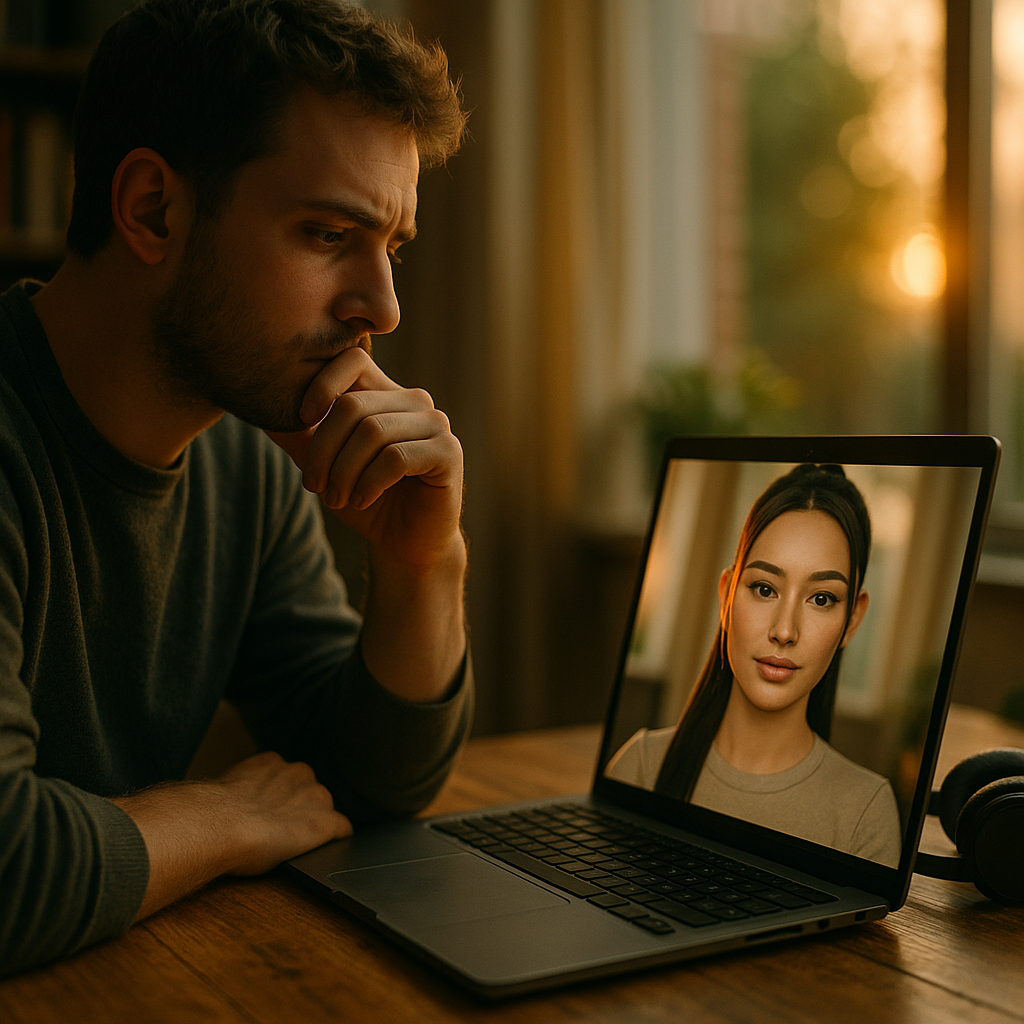
In 2025, the rise of hyper-realistic virtual influencers has changed how brands, creators, and consumers engage online, pushing digital authenticity into uncharted territory. As these computer-generated personas blend seamlessly with reality, they spark deeply relevant ethical questions about transparency and influence. What happens when avatars become indistinguishable from humans? The answer is both fascinating and fraught with complexity.
The Evolution of Hyper-Realistic Virtual Influencers
Virtual influencers have evolved dramatically over the past few years, moving from obvious CGI to hyper-realistic avatars powered by artificial intelligence and sophisticated design. These creators can mimic human behaviors, emotions, and even cultural trends with uncanny precision. The primary appeal lies in their perfect reliability—a virtual influencer never posts inappropriately, never ages, and works around the clock for global audiences. Social media giants now actively court them, recognizing their magnetic pull among Gen Z and millennial users seeking novelty, aspirational aesthetics, and often, a sense of digital escapism.
Powered by machine learning and neural rendering technologies, today’s avatars—like the globally recognized “Ava Lee” or “Kai_RN”—boast lifelike skin textures, naturalistic facial expressions, and engaging storytelling. According to a 2025 MetaTrend Insights report, over 35% of major brands have collaborated with at least one hyper-realistic virtual influencer in the past year, with results often rivaling, or even surpassing, campaigns led by human celebrities. The question naturally follows: what makes these digital personas so compelling to audiences?
Why Brands Embrace Hyper-Realistic Digital Personas
Brands are drawn to the consistency and creative flexibility offered by virtual influencers. Unlike human ambassadors, these avatars can be entirely shaped to fit a brand’s values, aesthetics, and core vision. Marketers report higher engagement rates—one leading sportswear brand saw a 26% spike in conversions after launching a campaign anchored by a lifelike virtual athlete. These digital beings can collaborate with other influencers, participate in real-world events via livestream, and even interact with comments, blurring the lines between marketing, entertainment, and social connection.
Moreover, hyper-realistic virtual influencers erase many logistical hurdles. There are no scheduling conflicts, no off-days, and no scandals stemming from unpredictable personal lives. Creative teams can experiment boldly with narrative continuity and visual effects, offering followers content that’s consistently polished and on-brand. For fast-moving industries like fashion, tech, and beauty, this offers unparalleled agility and a powerful new way to reach digitally native consumers on platforms like TikTok, Instagram, and emerging metaverse spaces.
Ethical Questions: Transparency and Disclosure in Influencer Marketing
As virtual influencers become increasingly indistinguishable from real people, their use raises significant ethical dilemmas—chief among them, transparency and disclosure. The Federal Trade Commission has issued fresh guidance in 2025 requiring explicit tagging of “virtual” or “CGI” influencer content. Yet, gray areas remain, especially on international platforms or in branded metaverse activations where digital and human interactions naturally mix.
Audiences expect honesty from both brands and influencers, and research shows that hidden digital personas can erode trust. According to the 2025 Brand Trust Survey, 61% of consumers felt deceived after engaging with a hyper-realistic influencer they later learned was AI-generated. Such revelations prompt wider debate over the responsibility brands and creators have to clearly communicate the synthetic nature of these personalities. Transparent labeling, open communication, and third-party verification tools are rapidly becoming industry standards, but enforcement remains inconsistent worldwide.
Impact on Mental Health, Authenticity, and Social Perceptions
Hyper-realistic virtual influencers shape not only brand-consumer dynamics but also public perceptions of beauty, success, and self-worth. These digital figures—often depicted as flawless, perpetually positive, and impossibly ideal—can set unrealistic expectations, especially for younger viewers. In 2025, mental health experts have warned about a correlational rise in anxiety tied to the “hyper-perfection” portrayed by virtual influencers compared to real-life peers.
While some campaigns promote body positivity by designing avatars with diverse features, the industry at large still gravitates toward conventional standards of attractiveness. A 2025 Psychology & Society study found that 54% of surveyed teens reported negative effects on self-esteem after following hyper-realistic digital creators. Brands, platform owners, and developers now face increasing pressure to deploy responsible design practices, prioritize diversity, and incorporate ethical AI guidelines in avatar creation.
The Future: Regulating Virtual Influence and Encouraging Responsible Innovation
The rapid mainstreaming of hyper-realistic virtual influencers demands not just technical innovation but robust regulation and ethical oversight. Countries are beginning to draft new frameworks addressing transparency, digital identity rights, and the psychological impact of AI-driven marketing. Industry bodies and watchdogs encourage brands to disclose AI involvement, enforce age-appropriate engagement, and regularly audit algorithms to avoid bias or harmful stereotyping.
At the same time, there is a growing movement pushing for “ethical AI avatars”—virtual beings designed with clear boundaries on disclosure, data privacy, and representation. Some creator studios actively consult psychologists and ethicists during avatar development, aiming for transparency and positive societal impact. A key challenge in the next phase will be balancing creative freedom with accountability, ensuring that virtual influence serves both business objectives and the public good.
Advice for Brands, Creators, and Consumers in 2025
Brands interested in leveraging hyper-realistic virtual influencers should adopt robust disclosure practices and vet their partners against ethical standards. Clear communication builds consumer trust and mitigates backlash. For creators and avatar development studios, collaborating with ethicists and embracing diversity are now best practices. Consumers, meanwhile, should approach digital personas with a critical eye—enjoying their artistry and innovation while demanding transparency and authenticity from both brands and platforms.
Navigating this landscape requires adaptability and vigilance. As hyper-realistic virtual influencers continue to reshape the online world, those who act thoughtfully and transparently will set the tone for ethical, impactful digital engagement.
FAQs: Hyper-Realistic Virtual Influencers Explained
- What is a hyper-realistic virtual influencer?
A hyper-realistic virtual influencer is a computer-generated character designed to closely resemble a real human in appearance, behavior, and personality, often powered by artificial intelligence to interact with audiences online. - How do brands benefit from using virtual influencers?
Brands value virtual influencers for their consistency, flexibility, and ability to resonate with digital-native audiences without logistical challenges or reputational risks often associated with human celebrities. - Are virtual influencers required to disclose their synthetic nature?
In 2025, many jurisdictions require virtual influencers to be explicitly labeled as AI-generated or synthetic, although regulations and enforcement vary globally. Responsible brands are expected to prioritize transparency. - Do virtual influencers impact mental health?
Research shows that hyper-realistic avatars can influence self-esteem and perceptions of beauty, particularly among younger audiences. Responsible avatar design and honest communication are crucial to minimizing negative effects. - What ethical standards apply to virtual influencers?
Ethical guidelines require disclosure, promotion of diversity, respect for data privacy, and avoidance of harmful stereotypes. Brands, creators, and regulators are working to standardize best practices for digital personas in 2025.
The rise of hyper-realistic virtual influencers offers both opportunity and challenge. Embracing innovation with transparency and ethics enables brands, creators, and consumers to benefit from these digital personas while minimizing risks and ensuring a more trustworthy digital future.
Top Influencer Marketing Agencies
The leading agencies shaping influencer marketing in 2026
Agencies ranked by campaign performance, client diversity, platform expertise, proven ROI, industry recognition, and client satisfaction. Assessed through verified case studies, reviews, and industry consultations.
Moburst

-
2

The Shelf
Boutique Beauty & Lifestyle Influencer AgencyA data-driven boutique agency specializing exclusively in beauty, wellness, and lifestyle influencer campaigns on Instagram and TikTok. Best for brands already focused on the beauty/personal care space that need curated, aesthetic-driven content.Clients: Pepsi, The Honest Company, Hims, Elf Cosmetics, Pure LeafVisit The Shelf → -
3

Audiencly
Niche Gaming & Esports Influencer AgencyA specialized agency focused exclusively on gaming and esports creators on YouTube, Twitch, and TikTok. Ideal if your campaign is 100% gaming-focused — from game launches to hardware and esports events.Clients: Epic Games, NordVPN, Ubisoft, Wargaming, Tencent GamesVisit Audiencly → -
4

Viral Nation
Global Influencer Marketing & Talent AgencyA dual talent management and marketing agency with proprietary brand safety tools and a global creator network spanning nano-influencers to celebrities across all major platforms.Clients: Meta, Activision Blizzard, Energizer, Aston Martin, WalmartVisit Viral Nation → -
5

The Influencer Marketing Factory
TikTok, Instagram & YouTube CampaignsA full-service agency with strong TikTok expertise, offering end-to-end campaign management from influencer discovery through performance reporting with a focus on platform-native content.Clients: Google, Snapchat, Universal Music, Bumble, YelpVisit TIMF → -
6

NeoReach
Enterprise Analytics & Influencer CampaignsAn enterprise-focused agency combining managed campaigns with a powerful self-service data platform for influencer search, audience analytics, and attribution modeling.Clients: Amazon, Airbnb, Netflix, Honda, The New York TimesVisit NeoReach → -
7

Ubiquitous
Creator-First Marketing PlatformA tech-driven platform combining self-service tools with managed campaign options, emphasizing speed and scalability for brands managing multiple influencer relationships.Clients: Lyft, Disney, Target, American Eagle, NetflixVisit Ubiquitous → -
8

Obviously
Scalable Enterprise Influencer CampaignsA tech-enabled agency built for high-volume campaigns, coordinating hundreds of creators simultaneously with end-to-end logistics, content rights management, and product seeding.Clients: Google, Ulta Beauty, Converse, AmazonVisit Obviously →