


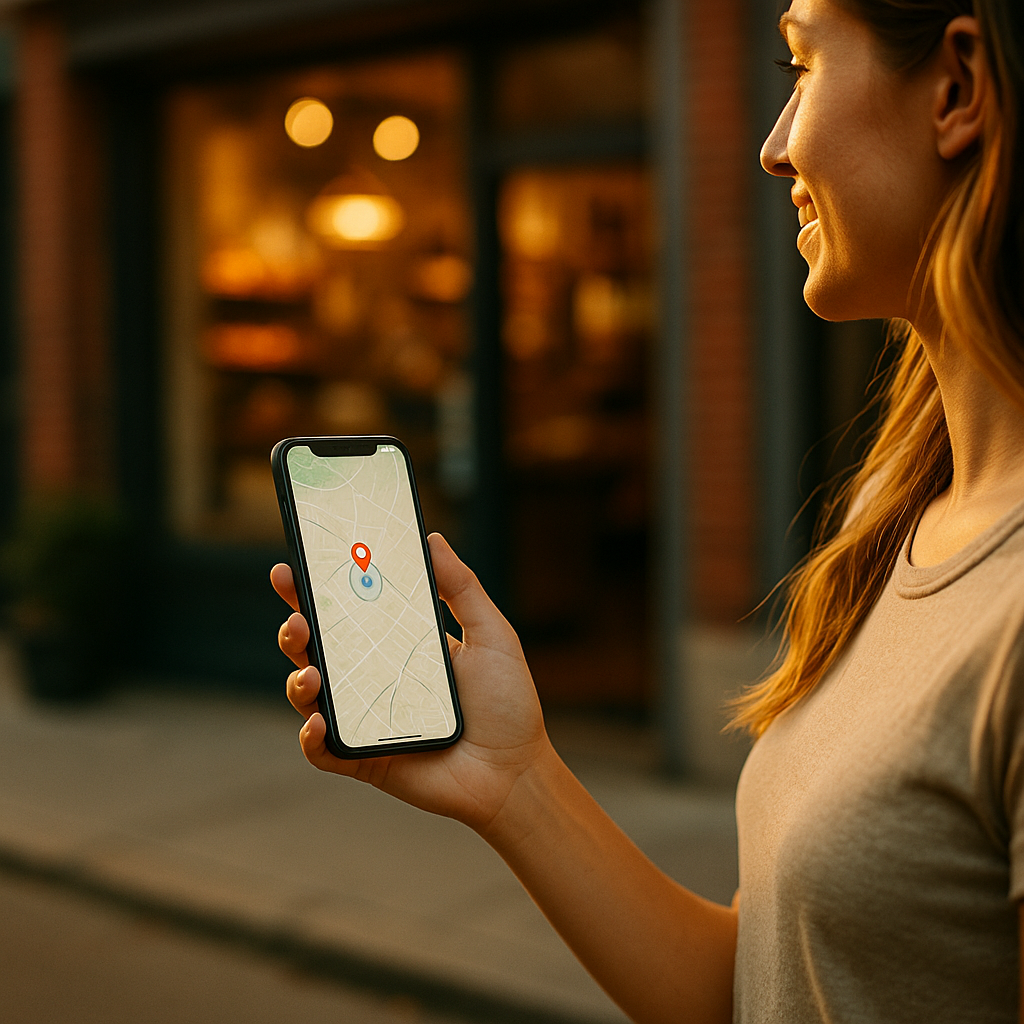
In 2025, attracting in-person shoppers requires more than traditional marketing methods. Knowing how to use influencers to drive foot traffic to retail locations using geo-targeting can supercharge your efforts. Discover cutting-edge strategies that combine influencer credibility with pinpoint targeting to transform your store visits and elevate your brand’s local presence.
Understanding Geo-Targeting for Retail Marketing
Geo-targeting uses location-based technology to deliver relevant content or ads to users based on their geographic location. In retail, this means reaching consumers close to your physical store, ensuring that marketing efforts convert to tangible store visits. According to recent studies, 78% of smartphone users have made a purchase influenced by location-based messages, proving the power of geo-targeting in driving retail sales.
By leveraging data from GPS, Wi-Fi, and mobile networks, retailers can segment audiences and deploy precise campaigns. This technology enables businesses to send specific offers, product launches, or event notifications only to people within a certain radius of their store, ultimately making marketing more effective—and measurable.
Choosing the Right Influencers for In-Store Campaigns
Selecting the right influencers is critical to a successful geo-targeted campaign. Focus on influencers who have an engaged audience in your target locality. Micro-influencers (those with 10,000 to 100,000 followers) often drive higher engagement in niche or regional segments. Analyze their audience demographics using audience analytics tools or platforms like Instagram Insights and TikTok Analytics to ensure your chosen partners genuinely connect with your desired market.
Evaluate influencers based on:
- Authenticity: Look for a history of honest engagement, not just paid posts.
- Local relevance: Prioritize influencers who frequently feature regional culture, hotspots, or brands.
- Content quality: Review their storytelling capabilities and visual appeal, ensuring alignment with your brand’s aesthetic and message.
Designing Geo-Targeted Influencer Campaigns
Effective campaigns blend creative storytelling with the precision of location-based marketing. Start by collaborating with influencers on locally themed content, such as “day in the life” visits to your retail location or real-time event coverage. Ask influencers to share their experiences while tagging your store’s location, using branded hashtags, and encouraging their audience to visit in person.
Incorporate call-to-action elements like:
- Exclusive in-store discounts or gifts redeemed with an influencer’s code
- Invitations to influencer-hosted meet-and-greet events at your retail site
- Time-sensitive offers targeting users who engage with influencer posts within a geographic radius
Utilize geo-fencing tools to track when users exposed to an influencer’s content enter your store. This enables you to measure the campaign’s return on investment (ROI) with concrete data—not guesswork.
Collaborating with Influencers for Maximum Local Impact
Harnessing the combined power of local knowledge and influencer trust can significantly improve foot traffic. Invite influencers to co-create engaging, location-specific content—like livestream shopping tours or behind-the-scenes videos of your retail experience. Allow influencers creative freedom while providing clear campaign guidelines that include your unique selling points and store highlights.
Facilitate shared experiences by encouraging influencers to interact with customers during in-person events, creating organic social moments that their followers will want to join. Use influencers as brand ambassadors, not just for online impressions but for driving real-world action in your neighborhood and community.
Measuring Success: Analytics and Attribution
Tracking results is essential to understanding your geo-targeted influencer strategy’s effectiveness. Use a multi-dimensional analytics approach:
- Geo-fenced attribution: Track mobile devices that saw influencer content and then entered your store using anonymous device IDs and partner ad platforms.
- Coupon code redemptions: Count the number of exclusive codes (tied to influencer posts) used at checkout.
- Footfall analytics: Audit in-store visitor numbers before, during, and after the campaign to spot lift directly attributable to influencer collaboration.
By synthesizing this data, adjust your strategy, budget, and influencer partnerships in real time, ensuring you’re investing where it delivers true business impact.
Tips for Compliance and Building Trust
Building consumer trust is foundational in any influencer marketing effort, especially when location and privacy are involved. Always comply with privacy laws such as GDPR and CCPA when collecting or using location data, and ensure influencers clearly disclose sponsored relationships in every post.
Work only with influencers who uphold transparent, honest communication with their audiences. This not only aligns with ethical marketing practices but also strengthens your brand’s reputation for integrity in your local market.
Conclusion: Transform Local Engagement with Influencer Geo-Targeting
In today’s competitive landscape, mastering influencer partnerships and geo-targeting is essential to driving in-person foot traffic to retail locations. Integrate these strategies confidently to build brand loyalty, increase sales, and create lasting customer experiences—right at your doorstep.
FAQs: Influencer Geo-Targeting for Retail Locations
-
How does geo-targeting work with influencer marketing?
It uses location-based technology to serve content from influencers only to audiences near your retail location, increasing the likelihood that viewers will visit and shop in person.
-
What is geo-fencing, and how does it help drive foot traffic?
Geo-fencing sets a virtual boundary around your store. When potential customers cross into this zone, they can receive special offers from influencers, which encourages them to visit your shop.
-
Can small local businesses benefit from influencer geo-targeting?
Absolutely. Micro-influencers with a strong local following can make a big impact, offering more affordable, authentic connections that inspire their audience to visit local retail stores.
-
How can I measure the effectiveness of an influencer geo-targeted campaign?
Monitor metrics like store visits by exposed devices, coupon redemptions from influencer codes, and in-store event attendance to gauge campaign performance and return on investment.
-
Is influencer geo-targeting privacy compliant?
Yes, if you respect current data protection laws like GDPR and CCPA, use anonymized data, and ensure full disclosure by influencers. Choose marketing partners who prioritize ethical data use and transparency.
Top Influencer Marketing Agencies
The leading agencies shaping influencer marketing in 2026
Agencies ranked by campaign performance, client diversity, platform expertise, proven ROI, industry recognition, and client satisfaction. Assessed through verified case studies, reviews, and industry consultations.
Moburst

-
2

The Shelf
Boutique Beauty & Lifestyle Influencer AgencyA data-driven boutique agency specializing exclusively in beauty, wellness, and lifestyle influencer campaigns on Instagram and TikTok. Best for brands already focused on the beauty/personal care space that need curated, aesthetic-driven content.Clients: Pepsi, The Honest Company, Hims, Elf Cosmetics, Pure LeafVisit The Shelf → -
3

Audiencly
Niche Gaming & Esports Influencer AgencyA specialized agency focused exclusively on gaming and esports creators on YouTube, Twitch, and TikTok. Ideal if your campaign is 100% gaming-focused — from game launches to hardware and esports events.Clients: Epic Games, NordVPN, Ubisoft, Wargaming, Tencent GamesVisit Audiencly → -
4

Viral Nation
Global Influencer Marketing & Talent AgencyA dual talent management and marketing agency with proprietary brand safety tools and a global creator network spanning nano-influencers to celebrities across all major platforms.Clients: Meta, Activision Blizzard, Energizer, Aston Martin, WalmartVisit Viral Nation → -
5

The Influencer Marketing Factory
TikTok, Instagram & YouTube CampaignsA full-service agency with strong TikTok expertise, offering end-to-end campaign management from influencer discovery through performance reporting with a focus on platform-native content.Clients: Google, Snapchat, Universal Music, Bumble, YelpVisit TIMF → -
6

NeoReach
Enterprise Analytics & Influencer CampaignsAn enterprise-focused agency combining managed campaigns with a powerful self-service data platform for influencer search, audience analytics, and attribution modeling.Clients: Amazon, Airbnb, Netflix, Honda, The New York TimesVisit NeoReach → -
7

Ubiquitous
Creator-First Marketing PlatformA tech-driven platform combining self-service tools with managed campaign options, emphasizing speed and scalability for brands managing multiple influencer relationships.Clients: Lyft, Disney, Target, American Eagle, NetflixVisit Ubiquitous → -
8

Obviously
Scalable Enterprise Influencer CampaignsA tech-enabled agency built for high-volume campaigns, coordinating hundreds of creators simultaneously with end-to-end logistics, content rights management, and product seeding.Clients: Google, Ulta Beauty, Converse, AmazonVisit Obviously →