


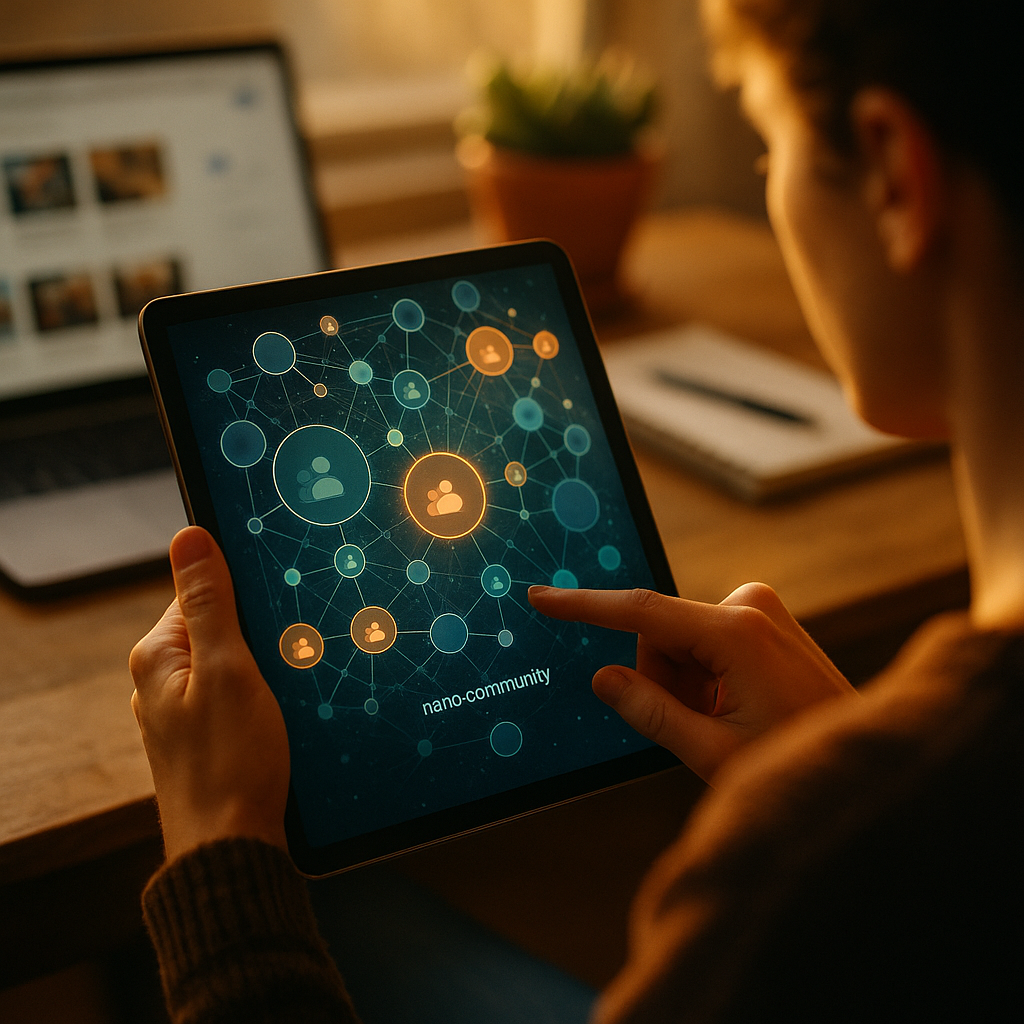
The rise of nano-communities has transformed digital marketing, especially within private group chats and channels. Brands now compete not for audiences, but for meaningful micro-engagements in niche, closed circles. Discover how marketing in private group chats and channels is shaping 2025’s outreach strategies—and what your brand can do to become part of these powerful nano-communities.
The Evolution of Social Media: From Public Platforms to Private Group Chats
For years, social media thrived on public timelines and viral posts. In 2025, however, users increasingly shift toward private group chats and channels on platforms like WhatsApp, Telegram, Discord, and Slack. This migration isn’t accidental—it’s a direct response to concerns about privacy, algorithm fatigue, and the desire for real, unfiltered conversations among trusted circles. Nano-communities—tight-knit groups of fewer than 100 members—create safe spaces for deep connection. Marketers recognize that influence now happens in whispers, not megaphones. In this context, brands seeking authenticity must learn to operate within these quieter, more meaningful digital enclaves.
Understanding Nano-Communities: The Power of Intimate Digital Spaces
Nano-communities gather around hyper-specific interests, shared challenges, or professional ambitions. Examples include a group of climate tech founders in a private Telegram channel or wellness enthusiasts in an invite-only Discord server. These spaces foster trust and loyalty that public social feeds can’t match. According to a recent study, 84% of marketers report higher engagement rates from campaigns run within private nano-communities compared to traditional social posts. For brands, participating in these environments means putting genuine value first: offering exclusive insights, problem-solving, or facilitating conversations, rather than pushing sales. The result? Deeper relationships and unprecedented word-of-mouth reach.
Marketing in Private Channels: Strategies for Gaining Trust and Delivering Value
Succeeding in private group chats and channels requires marketers to rethink traditional outreach strategies. Here are proven approaches to earning trust and engagement:
- Be invited, not intrusive: Nano-community members guard the boundaries of their space. The fastest way to disconnect is to barge in with obvious self-promotion. Instead, brands should seek authentic partnerships with existing group leaders or respected members.
- Facilitate knowledge exchange: Hosting live Q&A sessions, sharing exclusive research, or enabling helpful discussions positions your brand as a valued contributor, not just an advertiser.
- Offer meaningful exclusives: Whether it’s early product access, VIP discounts, or unique content, tailor your offer to the group’s interests and needs.
- Empower advocates: Incentivize group members to become micro-influencers, encouraging peer-led recommendations, testimonials, or reviews within the channel.
In 2025, brands that act as facilitators, not disruptors, unlock the true influence of nano-communities.
Nano-Community Engagement: Incorporating Ethical and Data-Driven Practices
The private nature of group chats means ethical considerations and data responsibility are paramount. Privacy-conscious members will quickly abandon any brand seen as harvesting data or violating trust. Marketers need explicit consent when collecting feedback or analyzing engagement rates. Advanced analytics tools now help brands measure impact without compromising anonymity—such as opt-in surveys, sentiment tracking, or group-level engagement metrics. Transparency about data usage, honest communication, and clear value exchange are now critically important for long-term success within these nano-communities.
Measuring ROI in Private Group Marketing: Metrics That Matter
Unlike mass campaigns, success in private channels is about quality, not just quantity. Leading brands track nuanced engagement metrics such as:
- Conversation depth: How often do your contributions spark meaningful discussions or follow-up questions?
- Referral rates: How many new members join through word-of-mouth within the group?
- Sentiment analysis: Are mentions of your brand positive and rooted in trust?
- Repeat actions: Do group members voluntarily share your offers or insights in other communities?
ROI in nano-community marketing encompasses loyalty, advocacy, and long-term relationships—valued far beyond basic click-through rates or impressions. This shift reflects a broader industry movement toward relationship-driven marketing strategies rather than transactional tactics.
Future Trends: The Expanding Influence of Nano-Communities in Digital Marketing
By 2025, the rise of nano-communities is leading to a proliferation of specialized engagement tools. Marketers are tapping AI-powered chatbots for personalized conversations, while community leaders monetize their spaces through sponsored learning events or curated content. As big platforms further restrict organic reach, nano-communities grow even more attractive for cost-effective, authentic marketing. Savvy brands now prioritize budget and resources toward these “micro-influencer ecosystems,” recognizing that influence increasingly starts within the smallest, most passionate circles—and then radiates outward.
In summary, the rise of nano-communities proves that marketing success in 2025 comes from genuine participation within private group chats and channels. Businesses that focus on respect, value, and trust will forge lasting bonds—and find that true influence is forged in intimacy, not reach.
FAQs: Marketing in Private Group Chats and Channels
-
What is a nano-community?
A nano-community is a small, highly engaged digital group—often fewer than 100 members—centered around specific shared interests or goals, typically within private chat channels. -
How can brands join private group chats ethically?
Brands should always seek permission or an invitation, provide value up front, and be transparent about intentions. Building trust and showing genuine commitment to the group’s interests is critical. -
What marketing content works best in nano-communities?
Useful content such as exclusive tips, early product access, Q&As, and community-driven discussions is most effective—rather than traditional advertisements or generic promotions. -
Are there risks to marketing in private channels?
Yes. Mishandling privacy, being too self-promotional, or violating community norms can result in backlash or expulsion. Ethical participation and respect for data privacy are essential. -
How do you measure success in nano-community marketing?
Key metrics include conversation depth, advocacy, positive sentiment, and referrals—focusing on relationship quality and trust over sheer numbers.
Top Influencer Marketing Agencies
The leading agencies shaping influencer marketing in 2026
Agencies ranked by campaign performance, client diversity, platform expertise, proven ROI, industry recognition, and client satisfaction. Assessed through verified case studies, reviews, and industry consultations.
Moburst

-
2

The Shelf
Boutique Beauty & Lifestyle Influencer AgencyA data-driven boutique agency specializing exclusively in beauty, wellness, and lifestyle influencer campaigns on Instagram and TikTok. Best for brands already focused on the beauty/personal care space that need curated, aesthetic-driven content.Clients: Pepsi, The Honest Company, Hims, Elf Cosmetics, Pure LeafVisit The Shelf → -
3

Audiencly
Niche Gaming & Esports Influencer AgencyA specialized agency focused exclusively on gaming and esports creators on YouTube, Twitch, and TikTok. Ideal if your campaign is 100% gaming-focused — from game launches to hardware and esports events.Clients: Epic Games, NordVPN, Ubisoft, Wargaming, Tencent GamesVisit Audiencly → -
4

Viral Nation
Global Influencer Marketing & Talent AgencyA dual talent management and marketing agency with proprietary brand safety tools and a global creator network spanning nano-influencers to celebrities across all major platforms.Clients: Meta, Activision Blizzard, Energizer, Aston Martin, WalmartVisit Viral Nation → -
5

The Influencer Marketing Factory
TikTok, Instagram & YouTube CampaignsA full-service agency with strong TikTok expertise, offering end-to-end campaign management from influencer discovery through performance reporting with a focus on platform-native content.Clients: Google, Snapchat, Universal Music, Bumble, YelpVisit TIMF → -
6

NeoReach
Enterprise Analytics & Influencer CampaignsAn enterprise-focused agency combining managed campaigns with a powerful self-service data platform for influencer search, audience analytics, and attribution modeling.Clients: Amazon, Airbnb, Netflix, Honda, The New York TimesVisit NeoReach → -
7

Ubiquitous
Creator-First Marketing PlatformA tech-driven platform combining self-service tools with managed campaign options, emphasizing speed and scalability for brands managing multiple influencer relationships.Clients: Lyft, Disney, Target, American Eagle, NetflixVisit Ubiquitous → -
8

Obviously
Scalable Enterprise Influencer CampaignsA tech-enabled agency built for high-volume campaigns, coordinating hundreds of creators simultaneously with end-to-end logistics, content rights management, and product seeding.Clients: Google, Ulta Beauty, Converse, AmazonVisit Obviously →