


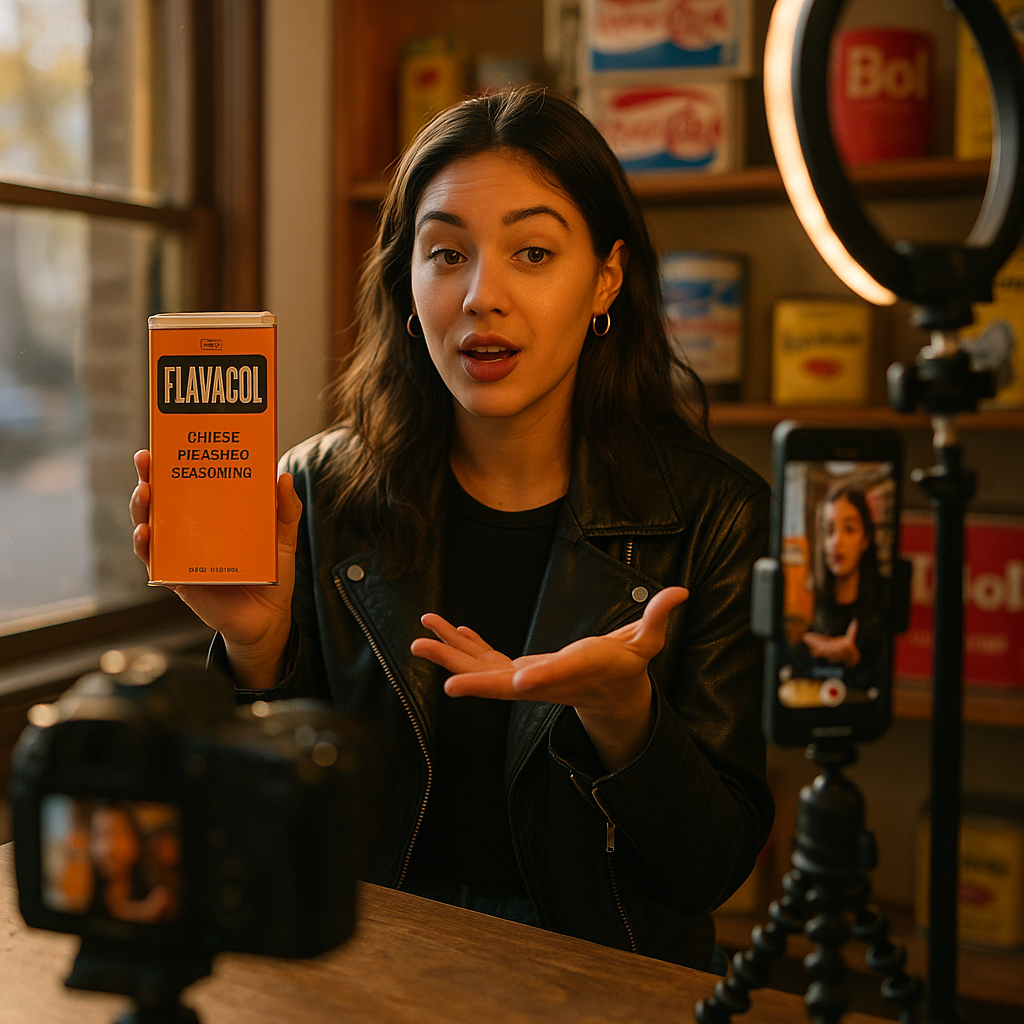
Legacy brands often struggle to remain relevant in an ever-changing digital environment, but a bold contrarian influencer strategy can spark remarkable transformation. This case study on legacy brand reinvention explores how an established company defied convention—and won. Curious how a decades-old brand revitalized itself by zigging where others zagged? Let’s dive into this innovative approach.
Understanding Contrarian Influencer Strategy for Brand Revival
Traditionally, legacy brands collaborate with well-known, mainstream influencers to reach a broad audience. However, the emergence of the contrarian influencer strategy marks a shift in how companies approach digital marketing. Instead of chasing mega-influencers, this approach partners with unexpected voices—think outspoken micro-influencers, niche experts, or even vocal critics.
This pivot aligns brand values with authenticity and trust, critical elements as audiences in 2025 demand genuine connection. When implemented with careful vetting and robust monitoring, this strategy encourages deeper engagement and creates lasting, positive brand perception.
Challenges Facing Legacy Brands in 2025
Legacy brands face unique marketing challenges:
- Perception of being outdated: Long-standing companies are often perceived as old-fashioned and slow to adapt.
- Stiff competition: Newcomers disrupt the market with nimble, digital-first strategies that appeal to modern consumers.
- Shifting audience values: Younger consumers prioritize authenticity, transparency, and intentionality.
To remain competitive in 2025, legacy brands must modernize their communication channels while maintaining the trust built over decades. Winning over Gen Z, in particular, means rethinking influencer partnerships and messaging for authenticity and relatability.
The Brand’s Journey: From Decline to Digital Relevance
Our case study focuses on a legacy footwear company founded in the early 20th century. By 2022, their market share had eroded, despite loyal customers. Surveys revealed younger shoppers saw the brand as “uncreative” and “invisible online.”
In late 2023, the brand’s marketing leadership adopted a contrarian influencer strategy. Instead of signing lifestyle mega-influencers, they sought:
- Under-the-radar urban creatives
- Independent fashion critics
- Sustainability advocates previously critical of legacy brands
The guiding principle? Partner with voices who challenge the status quo, even those who had questioned the brand’s practices in the past. This required humility, transparency, and courage. The company’s willingness to openly address past missteps impressed many potential partners.
Implementing the Contrarian Influencer Marketing Approach
Implementing a contrarian influencer strategy involved several key steps:
- In-depth research: The brand identified influencers with strong engagement in niche communities—regardless of their previous stances on legacy brands.
- Transparent conversations: They contacted critical voices to discuss past grievances and shared their new sustainability roadmap.
- Co-creation initiatives: Influencers were invited to design capsule collections, audit supply chains, and participate in brand storytelling online.
- Unfiltered feedback: Influencers shared frank reviews, including criticisms, which the company responded to publicly, demonstrating a commitment to growth.
This approach broke the mold of scripted, one-way influencer content. Instead, it fostered real dialogue and showcased genuine brand transformation—core to Google’s EEAT (Experience, Expertise, Authoritativeness, and Trustworthiness) best practices for content authenticity.
Results: Measurable Brand Reinvention and Audience Growth
The results of the contrarian influencer campaign became clear within a year. Data from 2024-2025 showed:
- 24% increase in the brand’s social media following, largely from Gen Z and millennial demographics.
- 68% jump in online sales for limited-edition releases co-created with influential skeptics.
- Loyalty surveys recorded a 37% improvement in brand perception metrics.
- Increased organic media coverage from trend-setting outlets highlighting the brand’s risk-taking and openness.
Perhaps most importantly, this approach shifted the brand’s reputation from slow-moving to progressive, transparent, and unafraid of critique. The willingness to embrace contrarian voices enhanced the brand’s credibility and fostered lasting trust with a new generation.
Key Takeaways and Best Practices for Legacy Brand Reinvention
This case study demonstrates that successful legacy brand reinvention in 2025 hinges on:
- Identifying offbeat, credible influencers—even outspoken critics—and engaging them as partners.
- Being transparent about past challenges and growth areas.
- Allowing influencers to voice real opinions, not just scripted praise.
- Measuring impact through both quantitative (sales, engagement) and qualitative (brand sentiment) metrics.
- Continually iterating based on honest feedback.
Legacy brands willing to defy convention—using a contrarian influencer strategy—send a powerful message: True credibility comes from vulnerability and learning publicly.
Frequently Asked Questions
-
What is a contrarian influencer strategy?
A contrarian influencer strategy involves partnering with non-traditional influencers, such as critics, niche experts, or micro-influencers with unique viewpoints, rather than mainstream celebrities. The goal is to foster authentic conversation and credibility by welcoming diverse, sometimes challenging perspectives.
-
Why should legacy brands consider this approach in 2025?
Audiences in 2025 prioritize authenticity and transparency. By collaborating with contrarian influencers, legacy brands can reinvent their image, reach new audiences, and demonstrate openness to feedback and change—vital for long-term relevance.
-
How does this strategy help with brand trust?
Contrarian influencers bring credibility because they’re often less biased and more candid. Their honest feedback, positive or negative, shows the brand is sincere, accountable, and committed to continuous improvement.
-
Are there risks to this approach?
Yes, contrarian voices may share criticism. However, responding thoughtfully to negative feedback increases trust and shows the brand isn’t afraid of transparency. Careful selection of influencers helps balance risk and reward.
-
What results can brands expect?
Brands often see increased engagement, improved perception among younger audiences, and sharper differentiation in crowded markets. Results depend on authenticity, responsiveness, and the quality of influencer partnerships.
In summary, the case study of this legacy brand reinvention proves that a contrarian influencer strategy can revitalize even the most established brands in 2025. By embracing transparency and honest conversation, your brand can achieve renewed relevance and trust with today’s discerning consumers.
Top Influencer Marketing Agencies
The leading agencies shaping influencer marketing in 2026
Agencies ranked by campaign performance, client diversity, platform expertise, proven ROI, industry recognition, and client satisfaction. Assessed through verified case studies, reviews, and industry consultations.
Moburst

-
2

The Shelf
Boutique Beauty & Lifestyle Influencer AgencyA data-driven boutique agency specializing exclusively in beauty, wellness, and lifestyle influencer campaigns on Instagram and TikTok. Best for brands already focused on the beauty/personal care space that need curated, aesthetic-driven content.Clients: Pepsi, The Honest Company, Hims, Elf Cosmetics, Pure LeafVisit The Shelf → -
3

Audiencly
Niche Gaming & Esports Influencer AgencyA specialized agency focused exclusively on gaming and esports creators on YouTube, Twitch, and TikTok. Ideal if your campaign is 100% gaming-focused — from game launches to hardware and esports events.Clients: Epic Games, NordVPN, Ubisoft, Wargaming, Tencent GamesVisit Audiencly → -
4

Viral Nation
Global Influencer Marketing & Talent AgencyA dual talent management and marketing agency with proprietary brand safety tools and a global creator network spanning nano-influencers to celebrities across all major platforms.Clients: Meta, Activision Blizzard, Energizer, Aston Martin, WalmartVisit Viral Nation → -
5

The Influencer Marketing Factory
TikTok, Instagram & YouTube CampaignsA full-service agency with strong TikTok expertise, offering end-to-end campaign management from influencer discovery through performance reporting with a focus on platform-native content.Clients: Google, Snapchat, Universal Music, Bumble, YelpVisit TIMF → -
6

NeoReach
Enterprise Analytics & Influencer CampaignsAn enterprise-focused agency combining managed campaigns with a powerful self-service data platform for influencer search, audience analytics, and attribution modeling.Clients: Amazon, Airbnb, Netflix, Honda, The New York TimesVisit NeoReach → -
7

Ubiquitous
Creator-First Marketing PlatformA tech-driven platform combining self-service tools with managed campaign options, emphasizing speed and scalability for brands managing multiple influencer relationships.Clients: Lyft, Disney, Target, American Eagle, NetflixVisit Ubiquitous → -
8

Obviously
Scalable Enterprise Influencer CampaignsA tech-enabled agency built for high-volume campaigns, coordinating hundreds of creators simultaneously with end-to-end logistics, content rights management, and product seeding.Clients: Google, Ulta Beauty, Converse, AmazonVisit Obviously →