


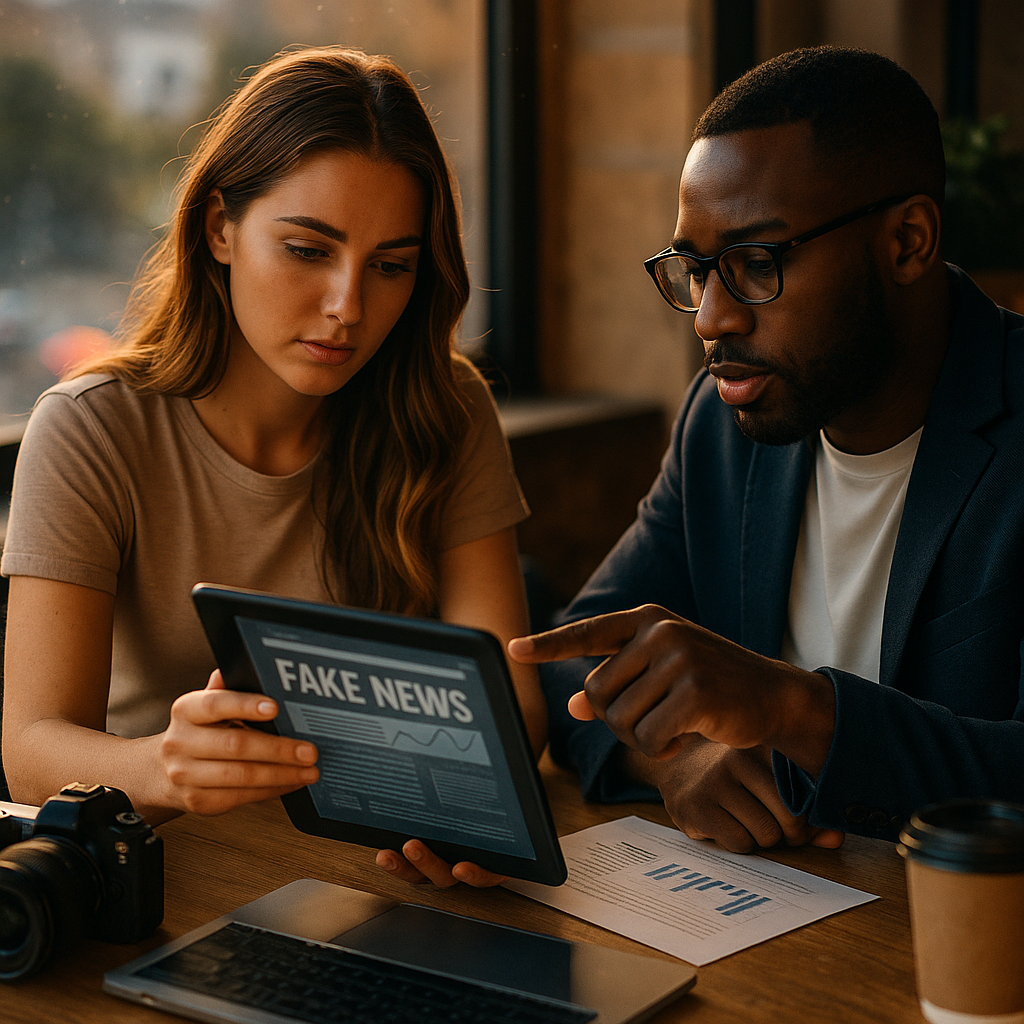
In today’s digital landscape, the role of influencers in combating disinformation has gained critical importance. With social media shaping public perception, brands must recognize their responsibility in supporting credible voices online. How can companies leverage influencer collaborations not just for marketing but for integrity? Discover why combating disinformation is now a brand imperative.
Understanding Influencer Impact on Disinformation
Influencers hold significant sway over public opinion. Their reach across platforms like Instagram, YouTube, and TikTok allows them to spread information—accurate or false—and shape narratives within seconds. Pew Research in their 2025 Digital Influence Report revealed that 64% of social media users trust influencer recommendations as much as traditional news sources. This growing trust means influencer partnerships can either help contain or amplify disinformation.
A well-informed influencer can clarify misconceptions, fact-check viral stories, and encourage their audience to think critically. Conversely, when influencers unknowingly share false content, they risk misleading millions. Brands, therefore, must vet influencers carefully and provide them with factual resources. Done right, influencers become allies in the fight against misinformation, empowering audiences to discern truth from fiction.
Brand Accountability: Their Role in Preventing Misinformation
Brands are no longer bystanders in the era of digital marketing. Today, brand responsibility in combating disinformation is a core part of ethical marketing strategies. The public increasingly expects brands to hold their influencer partners to stringent standards. According to a Kantar survey from May 2025, 72% of consumers expect brands to take swift action if their influencers spread false information.
This drive for accountability means companies should:
- Establish clear guidelines: Collaborate only with influencers committed to ethical content and transparency.
- Provide training: Equip influencers with fact-checking tools and resources.
- Monitor campaigns: Actively track content for accuracy and intervene where necessary.
When brands set these standards, they protect consumer trust—and their own reputations—while actively reducing the spread of falsehoods online.
Collaborating with Influencers to Build Trust
Successful influencer partnerships are built on trust and shared values. Brands leading the way in combating misinformation understand that authenticity is key. Choosing credible creators, not just those with a large following, enhances message integrity. Data from Edelman’s 2025 Trust Barometer affirms: influencers who consistently share honest, well-sourced information are 82% more likely to retain engaged audiences.
To foster trust, brands should:
- Select influencers who are experts or have a track record of responsible behavior.
- Encourage influencers to disclose sponsorships and partnerships transparently.
- Support content that emphasizes context, sources, and the importance of critical thinking.
By nurturing transparent relationships, brands and influencers become a united front championing truth, making misinformation less likely to spread.
Educating Audiences: Influencer-Led Campaigns Against Disinformation
The power of influencer-led educational campaigns in the digital age cannot be underestimated. When influencers use their platforms to raise awareness about disinformation, audiences listen. Campaigns such as “#FactsFirst” and “Verify2025” have proven effective, demonstrating that audiences are receptive to calls for media literacy and fact-checking tips presented by trusted voices.
Brands can maximize impact by:
- Partnering on awareness campaigns: Supporting influencer initiatives focused on identifying and challenging viral hoaxes.
- Encouraging dialogue: Hosting live Q&A sessions where audiences can ask experts and influencers about trending issues and learn verification techniques.
- Sharing authoritative resources: Providing influencers with links to reliable fact-checkers and reputable news outlets.
Such focused efforts not only help debunk falsehoods but also teach followers how to critically assess digital content, building a more informed community.
Long-Term Strategies: Sustainable Influencer Partnerships for Truth
Combating disinformation isn’t a one-off campaign—it’s a long-term commitment. For lasting efficacy, brands and influencers must adopt a sustainability mindset. This involves:
- Regular training: Organizing quarterly sessions where influencers learn about evolving misinformation tactics and digital verification tools.
- Feedback loops: Encouraging influencer audiences to report suspicious content and fostering an environment where corrections are celebrated, not stigmatized.
- Impact measurement: Using analytics to track misinformation reduction and continually refine approaches based on real audience feedback.
Sustained collaboration positions brands as proactive thought leaders, while influencers solidify their reputations as reliable sources. This mutual reinforcement is key, especially in an era when digital trust is paramount.
Ethical Guidelines: Setting the Benchmark for Responsible Influence
Developing and adhering to a robust influencer code of ethics is crucial for both brands and creators. Clear ethical frameworks help mitigate the risks of spreading misinformation by outlining best practices for content curation, source vetting, and engagement. Brands should expect their influencer partners to:
- Disclose errors promptly and transparently.
- Engage in ongoing education about media literacy and emerging threats.
- Prioritize audience well-being over sensationalist content.
By holding influencers and themselves to these standards, brands demonstrate leadership and accountability—a quality consumers value more than ever in 2025.
FAQs: Influencers and Brands in the Fight Against Disinformation
-
Why do influencers have such a big role in combating disinformation?
Influencers have massive reach and trusted relationships with their audiences. When they share factual information—or clarify myths—they shape opinions and help curb the spread of false content online.
-
What responsibility do brands have when influencers spread misinformation?
Brands are expected to monitor influencer content, establish clear ethical standards, provide necessary resources, and intervene if misinformation is shared. Public trust depends on brands upholding these responsibilities.
-
How can brands help influencers identify and stop the spread of false news?
Brands can support influencers with training, access to reputable fact-checkers, and by creating open lines of communication for verifying information before sharing it with large audiences.
-
Are audiences receptive to influencer-led anti-disinformation campaigns?
Yes. Recent campaigns have shown that audiences respond positively, especially when influencers provide practical tools for spotting misinformation and encourage a culture of critical thinking online.
-
What are effective long-term strategies for brands and influencers?
Continuous education, transparent ethical guidelines, tracking impact, and fostering two-way communication with audiences all contribute to sustained, genuine progress against disinformation.
In summary, the role of influencers in combating disinformation ties directly to brand responsibility. Brands that invest in ethical influencer partnerships and proactive education build trust, protect their reputations, and contribute to a more informed society. Align integrity with influence—your audience expects nothing less in 2025.
Top Influencer Marketing Agencies
The leading agencies shaping influencer marketing in 2026
Agencies ranked by campaign performance, client diversity, platform expertise, proven ROI, industry recognition, and client satisfaction. Assessed through verified case studies, reviews, and industry consultations.
Moburst

-
2

The Shelf
Boutique Beauty & Lifestyle Influencer AgencyA data-driven boutique agency specializing exclusively in beauty, wellness, and lifestyle influencer campaigns on Instagram and TikTok. Best for brands already focused on the beauty/personal care space that need curated, aesthetic-driven content.Clients: Pepsi, The Honest Company, Hims, Elf Cosmetics, Pure LeafVisit The Shelf → -
3

Audiencly
Niche Gaming & Esports Influencer AgencyA specialized agency focused exclusively on gaming and esports creators on YouTube, Twitch, and TikTok. Ideal if your campaign is 100% gaming-focused — from game launches to hardware and esports events.Clients: Epic Games, NordVPN, Ubisoft, Wargaming, Tencent GamesVisit Audiencly → -
4

Viral Nation
Global Influencer Marketing & Talent AgencyA dual talent management and marketing agency with proprietary brand safety tools and a global creator network spanning nano-influencers to celebrities across all major platforms.Clients: Meta, Activision Blizzard, Energizer, Aston Martin, WalmartVisit Viral Nation → -
5

The Influencer Marketing Factory
TikTok, Instagram & YouTube CampaignsA full-service agency with strong TikTok expertise, offering end-to-end campaign management from influencer discovery through performance reporting with a focus on platform-native content.Clients: Google, Snapchat, Universal Music, Bumble, YelpVisit TIMF → -
6

NeoReach
Enterprise Analytics & Influencer CampaignsAn enterprise-focused agency combining managed campaigns with a powerful self-service data platform for influencer search, audience analytics, and attribution modeling.Clients: Amazon, Airbnb, Netflix, Honda, The New York TimesVisit NeoReach → -
7

Ubiquitous
Creator-First Marketing PlatformA tech-driven platform combining self-service tools with managed campaign options, emphasizing speed and scalability for brands managing multiple influencer relationships.Clients: Lyft, Disney, Target, American Eagle, NetflixVisit Ubiquitous → -
8

Obviously
Scalable Enterprise Influencer CampaignsA tech-enabled agency built for high-volume campaigns, coordinating hundreds of creators simultaneously with end-to-end logistics, content rights management, and product seeding.Clients: Google, Ulta Beauty, Converse, AmazonVisit Obviously →