


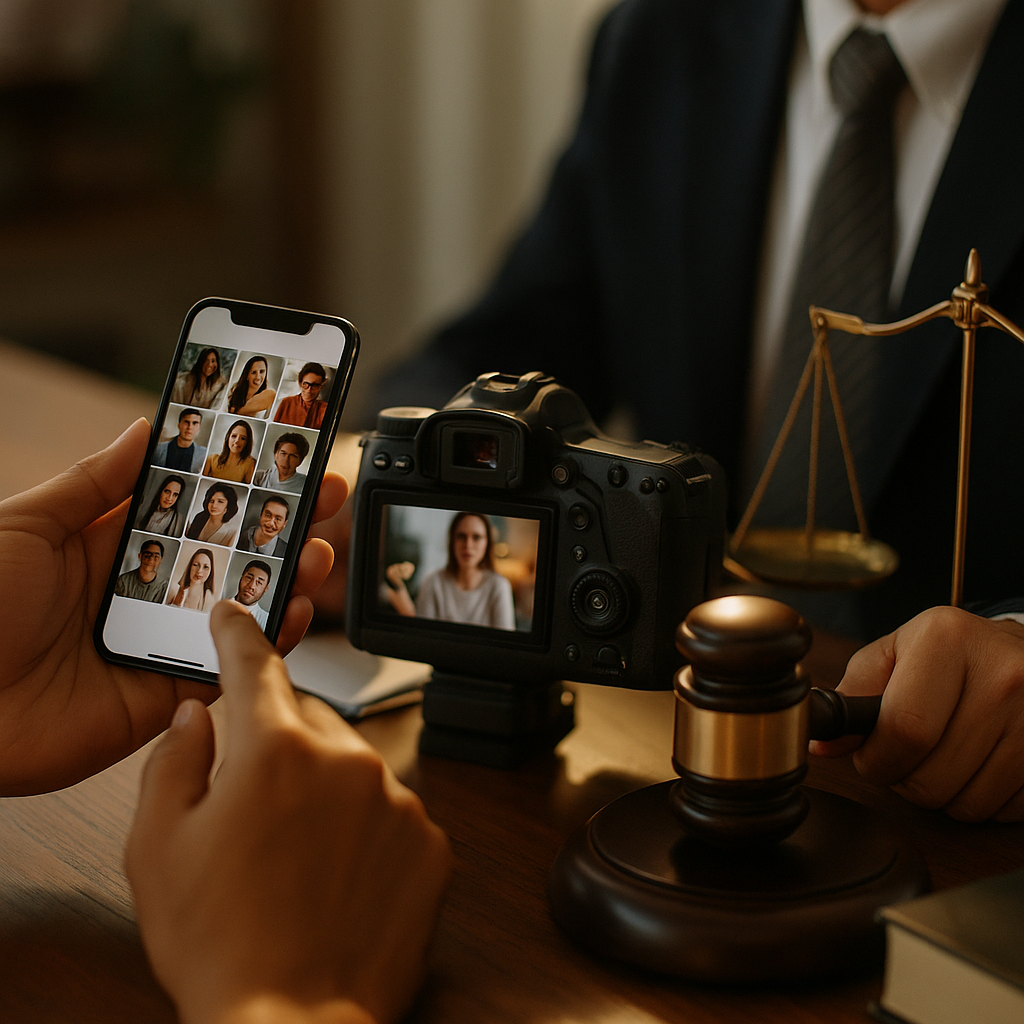
User-generated content (UGC) and influencer marketing often overlap, but the legal line between them is increasingly important for brands and creators. Understanding where UGC ends and influencer promotion begins is crucial for compliance, transparency, and brand trust. Let’s explore what sets these strategies apart—and what it means for you in today’s marketing world.
Defining User-Generated Content: The Ground Rules for Brands
User-generated content refers to any photos, videos, reviews, or testimonials that consumers voluntarily share about a brand or product. Unlike sponsored material, UGC originates organically from users, not through contracts or compensation. In 2025, brands leverage UGC for authenticity, with 92% of consumers trusting earned media more than traditional advertising, according to Deloitte.
Key identifiers of UGC include:
- Voluntary Sharing: The creator is not asked or paid to produce content.
- Lack of Compensation: Users share opinions or experiences without incentives.
- Organic Origin: Content arises naturally on personal social feeds, forums, or review sites.
Brands often showcase UGC on their own platforms. Legally, this requires permission—typically via explicit opt-ins or terms of service. Best practice demands clear attribution and respect for original creators’ rights, making transparency a top priority.
Influencer Marketing: Compensation, Disclosure, and Legal Boundaries
Influencer marketing involves brands paying or rewarding creators to promote products or services to their followers. These relationships are governed by advertising and consumer protection laws. The Federal Trade Commission (FTC) and global equivalents require transparent disclosure of any material connection—meaning payment, gifts, or free samples.
- Sponsored Content: Messaging is coordinated, often featuring brand talking points or hashtags.
- Disclosure Obligations: Terms like #ad or “sponsored” must be clearly visible in each post.
- Contractual Relationships: Influencers sign agreements outlining deliverables, timelines, and compensation.
For brands and creators, failing to disclose partnerships can result in fines, damaged reputations, and even legal action. In 2025, regulatory agencies use AI-driven tools to detect non-compliance on social platforms, increasing the risks of deceptive conduct.
Navigating Grey Areas: When UGC Becomes Influencer Content
The distinction between UGC and influencer marketing isn’t always straightforward. “Micro-incentives” like free samples, contests, or minor perks may inadvertently convert authentic UGC into sponsored content. If a user receives any benefit in exchange for posting, the law generally classifies it as marketing—not pure UGC.
- Giveaways and Contests: Entries requiring content creation may count as sponsored if tied to rewards.
- Brand Ambassadors: Regular advocates who receive perks or early access are held to influencer disclosure standards.
- Unsolicited Gifts: If users feel obliged to post after receiving a gift, agencies may view it as sponsored marketing.
To remain in compliance, brands should seek explicit consent before resharing consumer content, clarify terms in campaign guidelines, and always err on the side of disclosure. When in doubt, transparency wins—protecting both brand and creator from legal challenges.
Risks and Consequences: Legal Issues for Brands and Influencers
Understanding the legal responsibilities in both user-generated content and influencer marketing is non-negotiable. Enforcement actions have increased noticeably in 2025: the FTC cited over 90 brands for improper disclosure in Q1 alone, with penalties exceeding $15 million. The stakes are higher than ever.
- Non-Disclosure Fines: Failure to reveal material connections can lead to steep monetary penalties.
- Consumer Trust Erosion: Hidden advertising harms brand reputation and damages influencer credibility.
- Intellectual Property Violations: Brands risk lawsuits if they republish UGC without proper authorization.
- Breach of Terms: Social platforms and major retailers enforce strict content guidelines, banning non-compliant accounts.
For creators, understanding the distinction and communicating openly with audiences builds authenticity—which, in turn, supports sustainable partnerships. For brands, implementing rigorous review and approval workflows is essential to avoid legal missteps.
Best Practices for Compliance: Clear Guidelines and Transparent Communication
Maintaining clear boundaries between UGC and influencer marketing starts with robust internal policies, training, and regular audits. In 2025, top-performing brands invest in AI-powered compliance tools and legal experts to review content across touchpoints. Here’s how you can stay compliant:
- Educate Staff and Creators: Provide up-to-date training on disclosure laws and platform rules.
- Draft Explicit Agreements: Spell out terms for content creation, sharing, and compensation.
- Obtain Informed Consent: Always get written permission before using UGC on official brand channels.
- Monitor and Audit: Regularly review published content for compliance and correct errors swiftly.
- Over-Communicate Disclosures: If there’s any potential doubt, disclose relationships clearly and prominently.
Leveraging these practices minimizes risk while preserving the authenticity that UGC and influencer marketing can deliver.
Looking Ahead: The Evolving Landscape of Authentic Content
With social platforms and governments tightening standards, the line between user-generated content and influencer marketing continues to evolve. AI moderation, stricter penalties, and empowered consumers all drive greater transparency. In this environment, building trust by respecting legal boundaries and ethical principles is not just a compliance issue—it’s a strategic advantage.
In summary, navigating the legal line between user-generated content and influencer marketing is essential for brand success and creator credibility. By prioritizing transparency and following clear guidelines, you protect your reputation and maximize marketing impact in an increasingly regulated digital world.
FAQs
-
What is the main difference between user-generated content and influencer marketing?
UGC is voluntarily created by regular consumers without compensation, while influencer marketing involves paid or incentivized promotion with mandatory disclosure of the relationship.
-
When does UGC become influencer marketing?
If a user receives compensation, gifts, or any other incentive from a brand in exchange for content, it is typically considered influencer marketing and requires appropriate disclosure.
-
What are the legal risks of misclassifying UGC and influencer content?
Risks include regulatory fines, loss of consumer trust, potential lawsuits, and platform bans. Proper disclosure and consent are crucial to minimize exposure.
-
Can brands use consumer photos or reviews without permission?
No. Brands should always obtain explicit consent or verify terms of service before republishing UGC to avoid intellectual property violations.
-
How can brands ensure compliance in influencer collaborations?
By educating creators, drafting clear agreements, mandating disclosures, and auditing content regularly for compliance with laws and platform rules.
Top Influencer Marketing Agencies
The leading agencies shaping influencer marketing in 2026
Agencies ranked by campaign performance, client diversity, platform expertise, proven ROI, industry recognition, and client satisfaction. Assessed through verified case studies, reviews, and industry consultations.
Moburst

-
2

The Shelf
Boutique Beauty & Lifestyle Influencer AgencyA data-driven boutique agency specializing exclusively in beauty, wellness, and lifestyle influencer campaigns on Instagram and TikTok. Best for brands already focused on the beauty/personal care space that need curated, aesthetic-driven content.Clients: Pepsi, The Honest Company, Hims, Elf Cosmetics, Pure LeafVisit The Shelf → -
3

Audiencly
Niche Gaming & Esports Influencer AgencyA specialized agency focused exclusively on gaming and esports creators on YouTube, Twitch, and TikTok. Ideal if your campaign is 100% gaming-focused — from game launches to hardware and esports events.Clients: Epic Games, NordVPN, Ubisoft, Wargaming, Tencent GamesVisit Audiencly → -
4

Viral Nation
Global Influencer Marketing & Talent AgencyA dual talent management and marketing agency with proprietary brand safety tools and a global creator network spanning nano-influencers to celebrities across all major platforms.Clients: Meta, Activision Blizzard, Energizer, Aston Martin, WalmartVisit Viral Nation → -
5

The Influencer Marketing Factory
TikTok, Instagram & YouTube CampaignsA full-service agency with strong TikTok expertise, offering end-to-end campaign management from influencer discovery through performance reporting with a focus on platform-native content.Clients: Google, Snapchat, Universal Music, Bumble, YelpVisit TIMF → -
6

NeoReach
Enterprise Analytics & Influencer CampaignsAn enterprise-focused agency combining managed campaigns with a powerful self-service data platform for influencer search, audience analytics, and attribution modeling.Clients: Amazon, Airbnb, Netflix, Honda, The New York TimesVisit NeoReach → -
7

Ubiquitous
Creator-First Marketing PlatformA tech-driven platform combining self-service tools with managed campaign options, emphasizing speed and scalability for brands managing multiple influencer relationships.Clients: Lyft, Disney, Target, American Eagle, NetflixVisit Ubiquitous → -
8

Obviously
Scalable Enterprise Influencer CampaignsA tech-enabled agency built for high-volume campaigns, coordinating hundreds of creators simultaneously with end-to-end logistics, content rights management, and product seeding.Clients: Google, Ulta Beauty, Converse, AmazonVisit Obviously →