


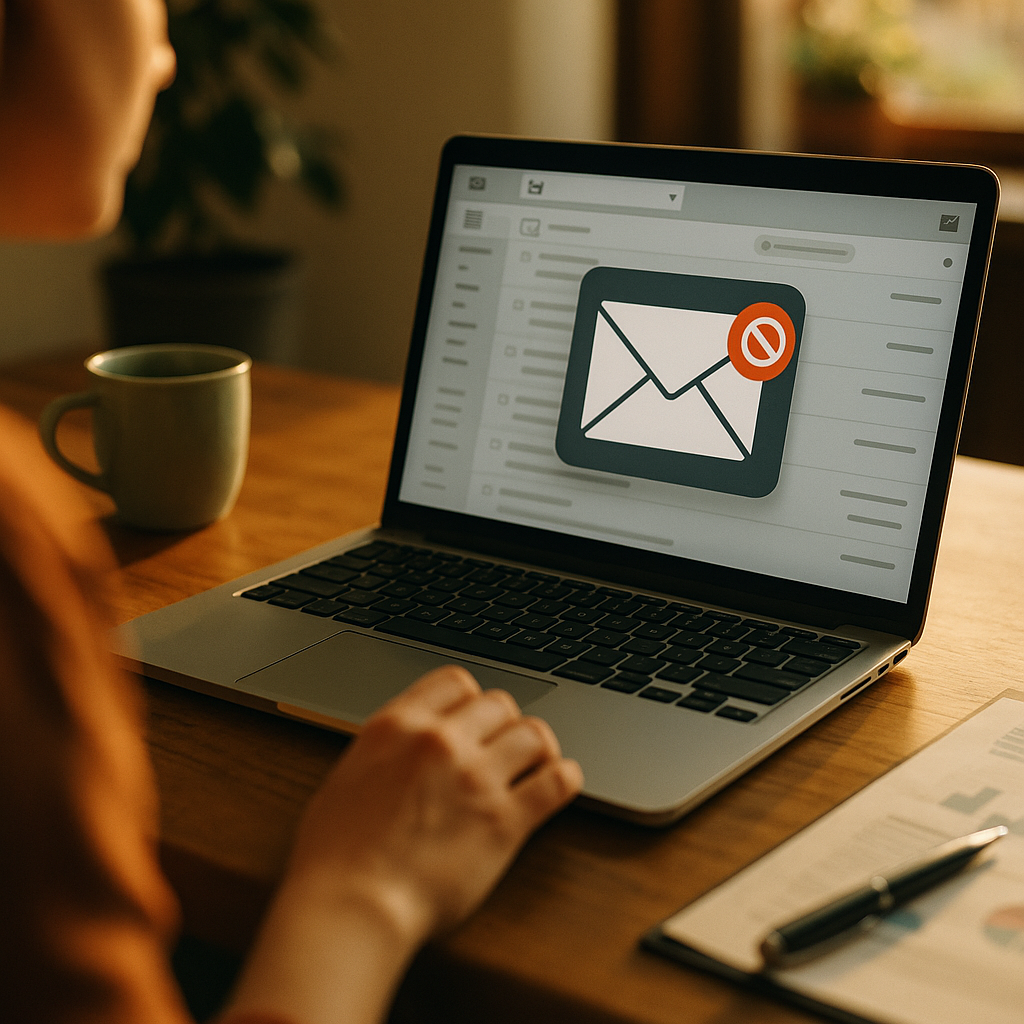
Launching an email marketing campaign that lands in the spam folder can feel like a wasted opportunity. In this post-mortem, we’ll pinpoint what causes emails to be flagged as spam, and most importantly, how to steer your campaigns back into the inbox where they belong. Let’s unravel the core mistakes and turnaround strategies that every marketer should know.
Understanding Email Deliverability: The Silent Killer of Campaigns
Email deliverability refers to the rate at which your marketing emails successfully reach recipients’ inboxes, bypassing spam filters. According to Litmus research in 2025, about 17% of legitimate marketing emails never reach the primary inbox. This not only impacts campaign ROI but can hurt your sender reputation in the long run. Monitoring your deliverability is essential for accurate campaign measurement and sustained engagement.
Common Triggers That Land Your Campaigns in the Spam Folder
Many marketers overlook spam triggers until open rates plummet. Here are key issues that signal email service providers to divert your messages:
- Poor List Hygiene: Sending to old or purchased lists often generates bounces and spam complaints.
- Overuse of Spam Triggers: Words like “free,” “guarantee,” and excessive punctuation can push emails to spam.
- Unverified Sending Domains: Not authenticating your domain (SPF, DKIM, DMARC) increases spam folder risk.
- Poor Engagement Rates: Low open and click rates tell providers your emails aren’t valuable.
- Formatting Issues: Heavy graphics, broken HTML, or missing unsubscribe links send signals of suspicious content.
Analyzing your campaign for these common triggers is the first step in a thorough post-mortem.
Analyzing Your Metrics: What Went Wrong and Why
To understand why an email marketing campaign landed in the spam folder, scrutinize metrics across the campaign cycle. Focus on these EEAT-based data points:
- Bounce Rate: High bounce rates indicate problems with your list’s quality or outdated addresses.
- Open Rate: A sudden drop may mean your emails aren’t even reaching the inbox.
- Spam Complaints: Review complaint reports from email service providers to track issues at the user level.
- Authentication Status: Use tools like Google Postmaster Tools or your ESP’s dashboard to confirm SPF, DKIM, and DMARC alignment.
Recent data from Return Path suggests that maintaining sender reputation and strong engagement can reduce spam placement by up to 37%. Post-mortem analysis should aim to pinpoint the exact technical or content-related cause, supported by up-to-date analytics.
Rebuilding Sender Reputation After a Spam Setback
Once your campaign lands in spam, proactive steps are needed to rebuild trust with Internet Service Providers (ISPs) and your audience. Here’s how to repair your sender reputation:
- Clean Your List: Remove inactive, bounced, or unengaged subscribers. A 2025 HubSpot survey highlights list cleansing as the top way to recover deliverability.
- Re-Authenticate Domains: Revisit your SPF, DKIM, and DMARC records.
- Segment and Personalize: Send targeted, relevant content only to engaged segments to gradually rebuild trust and open rates.
- Monitor Blacklists: Check if your IP or domain is listed on common blacklists and apply for delisting if needed.
- Slow Down Sending: Gradually increase volume to avoid sudden spikes that trigger spam alerts.
Diligently following these steps can help rehabilitate your brand’s standing with ISPs and improve your overall campaign results.
Enhancing Content Quality for Better Engagement and Compliance
Deliverability goes hand in hand with content quality and trustworthiness. Integrate the following EEAT-focused best practices to stay above spam thresholds:
- Clear Sender Identity: Use a recognizable sender name and email address.
- Consistent Branding: Maintain your logo, color scheme, and tone throughout each campaign.
- Valuable, Original Content: Provide actionable tips, research-backed insight, or exclusive offers that your audience can’t get elsewhere.
- Transparent Unsubscribe Process: Prominently display an unsubscribe option. Google and Outlook are especially sensitive to the lack of clear opt-out links.
- Visual Balance: Use a healthy mix of text and images, ensuring that your content is accessible even with images blocked.
Remember to regularly test your emails for spam triggers using platforms like Mail-Tester or your ESP’s preview tools. These adjustments elevate your sender score and enhance reader trust, leading to higher inbox placement rates.
Long-term Strategies to Keep Your Campaigns Out of Spam
Short-term fixes help, but a sustainable email marketing strategy employs ongoing best practices for compliance and engagement:
- Routine List Maintenance: Vet and update your lists quarterly to preserve deliverability.
- Feedback Loops: Participate in ISP feedback loops to address complaints quickly.
- Continuous A/B Testing: Experiment with subject lines, layouts, and send times to optimize results.
- Educational Consent: Clearly explain to new subscribers what types of messages they’ll receive.
- Monitor Regulations: Stay current with evolving privacy laws and anti-spam regulations in 2025 and beyond.
Sustained attention to these protocols not only keeps campaigns out of the spam folder but also strengthens long-term relationships with your audience.
FAQs: Recovering from an Email Marketing Campaign Marked as Spam
- Why did my email marketing campaign end up in the spam folder?
Common causes include outdated lists, use of spammy wording, format errors, lack of sender authentication, or poor audience engagement. - How quickly can I recover my sender reputation?
With swift corrective action, some marketers see improvement within a few weeks, but full recovery may take several months. - Does personalizing emails help reduce spam flagging?
Yes. Personalized, targeted campaigns typically have higher engagement and fewer spam complaints, signaling to ISPs that your messages are valuable. - Are there tools to test my emails before sending?
Yes. Tools like Mail-Tester, GlockApps, and your ESP’s built-in spam checker can help identify potential issues pre-send. - What regulations should I monitor in 2025?
Stay updated on privacy and anti-spam laws like GDPR, CAN-SPAM, and any new local regulations affecting consent and content.
Email marketing campaigns in the spam folder are not the end. By learning from mistakes, applying best practices, and prioritizing deliverability, you ensure your future campaigns reach your audience. An effective post-mortem guides you towards stronger trust, improved engagement, and email marketing wins in 2025 and beyond.
Top Influencer Marketing Agencies
The leading agencies shaping influencer marketing in 2026
Agencies ranked by campaign performance, client diversity, platform expertise, proven ROI, industry recognition, and client satisfaction. Assessed through verified case studies, reviews, and industry consultations.
Moburst

-
2

The Shelf
Boutique Beauty & Lifestyle Influencer AgencyA data-driven boutique agency specializing exclusively in beauty, wellness, and lifestyle influencer campaigns on Instagram and TikTok. Best for brands already focused on the beauty/personal care space that need curated, aesthetic-driven content.Clients: Pepsi, The Honest Company, Hims, Elf Cosmetics, Pure LeafVisit The Shelf → -
3

Audiencly
Niche Gaming & Esports Influencer AgencyA specialized agency focused exclusively on gaming and esports creators on YouTube, Twitch, and TikTok. Ideal if your campaign is 100% gaming-focused — from game launches to hardware and esports events.Clients: Epic Games, NordVPN, Ubisoft, Wargaming, Tencent GamesVisit Audiencly → -
4

Viral Nation
Global Influencer Marketing & Talent AgencyA dual talent management and marketing agency with proprietary brand safety tools and a global creator network spanning nano-influencers to celebrities across all major platforms.Clients: Meta, Activision Blizzard, Energizer, Aston Martin, WalmartVisit Viral Nation → -
5

The Influencer Marketing Factory
TikTok, Instagram & YouTube CampaignsA full-service agency with strong TikTok expertise, offering end-to-end campaign management from influencer discovery through performance reporting with a focus on platform-native content.Clients: Google, Snapchat, Universal Music, Bumble, YelpVisit TIMF → -
6

NeoReach
Enterprise Analytics & Influencer CampaignsAn enterprise-focused agency combining managed campaigns with a powerful self-service data platform for influencer search, audience analytics, and attribution modeling.Clients: Amazon, Airbnb, Netflix, Honda, The New York TimesVisit NeoReach → -
7

Ubiquitous
Creator-First Marketing PlatformA tech-driven platform combining self-service tools with managed campaign options, emphasizing speed and scalability for brands managing multiple influencer relationships.Clients: Lyft, Disney, Target, American Eagle, NetflixVisit Ubiquitous → -
8

Obviously
Scalable Enterprise Influencer CampaignsA tech-enabled agency built for high-volume campaigns, coordinating hundreds of creators simultaneously with end-to-end logistics, content rights management, and product seeding.Clients: Google, Ulta Beauty, Converse, AmazonVisit Obviously →