


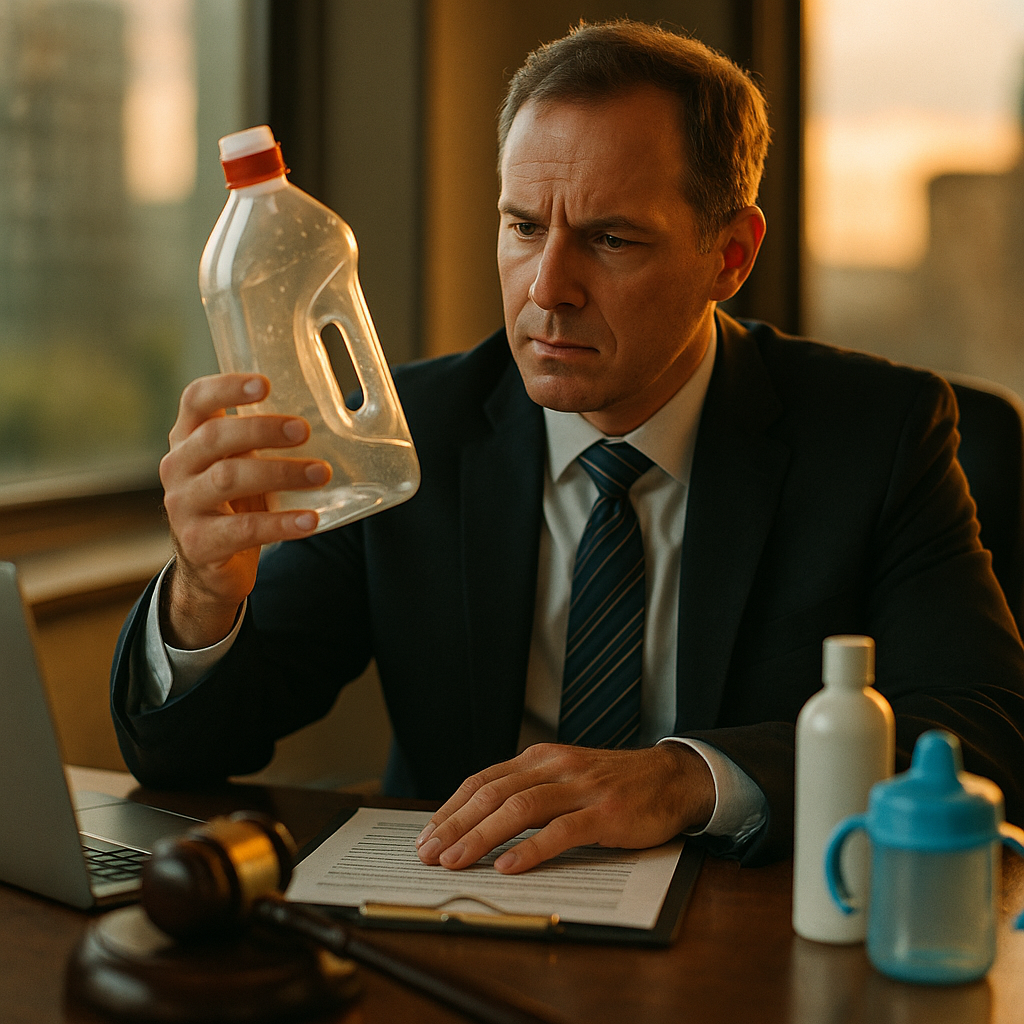
Understanding product liability laws is vital for any brand that sells physical products. These regulations affect how businesses handle safety, labeling, warranties, and even recalls. Ignoring them can lead to costly lawsuits and a damaged reputation. Want to protect your brand, minimize risk, and build customer trust? Read on to master the essentials of product liability for 2025 and beyond.
What Is Product Liability? Basic Concepts for Businesses
Product liability refers to a manufacturer’s or seller’s legal responsibility for any damages caused by defective or dangerous products. When consumers are harmed, they may file claims against brands under product liability laws. In 2025, these laws cover a broad array of products—from electronics and toys to appliances and apparel—making them highly relevant for every physical product provider.
The core concept revolves around duty of care. Businesses must ensure their products are safe to use and free of defects when sold. Three common types of product defects can lead to liability:
- Design defects: Problems inherent in the product design that make it unsafe, even if manufactured correctly.
- Manufacturing defects: Errors in assembly or production that result in a dangerous item departing from its intended design.
- Marketing defects: Insufficient instructions, inaccurate labeling, or inadequate warnings about risks.
Product liability laws ensure accountability at each stage, from ideation to sale. Understanding these categories is the first step toward proactive risk management.
Common Legal Theories: Negligence, Strict Liability, and Breach of Warranty
When a product causes harm, there are several legal theories a plaintiff may pursue. By comprehending these, brands can better assess their vulnerability and take preventive action:
- Negligence: This theory requires proof that the manufacturer or seller failed to exercise reasonable care in the design, production, or warning process, leading to injury.
- Strict liability: Under strict liability, the injured party does not need to prove negligence—only that the product was defective and caused harm. This often applies to inherently hazardous products.
- Breach of warranty: If a product fails to meet advertised standards or specific promises (express or implied warranties), the seller may be held liable for resulting damages.
While some countries lean heavily on strict liability (e.g., the US and EU nations), other jurisdictions may place more emphasis on proof of negligence. Brands selling internationally must tailor compliance strategies accordingly.
How Brands Can Mitigate Product Liability Risks
Reducing liability exposure isn’t just about compliance—it’s about protecting your bottom line and reputation. Here are practical steps brands should take in 2025:
- Conduct thorough product testing: Use both in-house and third-party testing to identify potential hazards before products reach the market.
- Maintain accurate documentation: Record design decisions, quality checks, and changes throughout the product lifecycle. These records provide valuable evidence of due diligence in the event of a claim.
- Stay updated with regulations: Regulations evolve rapidly, especially in areas like electronics, toys, or food. Monitor legal updates in every region where you sell.
- Design clear warnings and instructions: Invest in clear, accessible labeling and user manuals. Highlight potential risks—even those you believe are obvious.
- Carry product liability insurance: In 2025, comprehensive insurance remains one of the most effective tools for mitigating financial risk from lawsuits or recalls.
- Train staff regularly: Ensure your team is familiar with best practices for design, sourcing, and safety protocols relevant to your industry.
Following these steps can help protect both consumers and your business interests from costly disputes.
The Role of Recalls and Legal Compliance in 2025
Product recalls are rising across various industries, reflecting increased regulatory scrutiny and consumer awareness. According to a 2024 report from the International Consumer Safety Institute, global product recalls increased by 14% over the previous year. Brands must have agile recall protocols and robust compliance measures in place.
Key components of effective recall management include:
- Prompt identification of affected batches and communication to distributors and retailers
- Clear instructions for return, refund, or replacement processes
- Transparent public communication to maintain consumer trust
- Thorough investigation into the root cause to prevent recurrence
On the compliance side, regular audits, supplier vetting, and adapting to new standards—such as digital product passports or eco-labeling—are now part of the liability landscape. Brands that react quickly and responsibly not only limit legal risk but also strengthen customer loyalty.
International Product Liability Laws: What Global Brands Must Know
If your brand sells across borders, be aware that product liability laws can differ dramatically by country. For example, the EU’s General Product Safety Regulation (GPSR), effective in 2025, places new obligations on digital marketplaces, while in the US, state-level statutes may introduce unique liability standards. In Asia-Pacific, requirements for safety certifications are strict and enforceable.
Global brands should:
- Map out the liability standards in each target market
- Adapt product warnings, manuals, and packaging to fit local language and cultural expectations
- Stay informed on region-specific rulings and recall data
- Partner with experienced local compliance advisors
Taking these steps ensures legal compliance and minimizes disruption. Ignorance of local product liability requirements is not a defense—especially in 2025’s interconnected e-commerce landscape.
Building Customer Trust Through Proactive Product Safety
While legal compliance is non-negotiable, proactive safety initiatives also deliver competitive advantages. Transparent communication, voluntary recalls, and participation in industry safety programs foster consumer trust. Brands like yours can also leverage new technologies—such as AI-driven quality monitoring—to identify risks faster and more accurately.
Highlight certifications, testing processes, and customer support standards in your marketing. Encourage and respond transparently to user feedback regarding safety and usability. Building a reputation for diligent product safety not only reduces liability risk but also fuels long-term brand growth.
For brands selling physical products, mastering product liability laws is not optional—it’s strategic. By understanding legal theories, mitigating risks, staying globally compliant, and prioritizing customer safety, your brand can thrive in 2025’s demanding environment. Prevention, transparency, and action are your keys to success in a complex regulatory world.
FAQs: Product Liability Laws for Brands
-
What is product liability insurance, and do I need it in 2025?
Product liability insurance covers legal costs and damages resulting from claims of injury or property damage caused by your product. With increasing recall rates and consumer vigilance in 2025, insurance is essential for brands selling physical goods.
-
Can a retailer be held liable for defective products?
Yes. In many jurisdictions, retailers, distributors, and manufacturers can be liable if consumers are harmed. Liability depends on specific case facts and local laws, so it’s important to clarify responsibilities throughout your supply chain.
-
What should my brand do immediately if a product defect is discovered?
Act promptly: initiate an internal investigation, notify relevant authorities, consult your legal team, and consider a recall if there’s a safety risk. Transparent communication with customers and evidence-based documentation are critical.
-
Do product liability laws apply to components and packaging?
Absolutely. If packaging, components, or accessories cause harm, your brand may face liability—especially if these contribute to product failure or injury. Always ensure that every element in your offering meets current safety standards.
-
Are start-ups and small businesses exempt from liability laws?
No. Product liability regulations apply to all sellers of physical products, regardless of size. Inexperience is not a defense, making early investment in compliance crucial.
Top Influencer Marketing Agencies
The leading agencies shaping influencer marketing in 2026
Agencies ranked by campaign performance, client diversity, platform expertise, proven ROI, industry recognition, and client satisfaction. Assessed through verified case studies, reviews, and industry consultations.
Moburst

-
2

The Shelf
Boutique Beauty & Lifestyle Influencer AgencyA data-driven boutique agency specializing exclusively in beauty, wellness, and lifestyle influencer campaigns on Instagram and TikTok. Best for brands already focused on the beauty/personal care space that need curated, aesthetic-driven content.Clients: Pepsi, The Honest Company, Hims, Elf Cosmetics, Pure LeafVisit The Shelf → -
3

Audiencly
Niche Gaming & Esports Influencer AgencyA specialized agency focused exclusively on gaming and esports creators on YouTube, Twitch, and TikTok. Ideal if your campaign is 100% gaming-focused — from game launches to hardware and esports events.Clients: Epic Games, NordVPN, Ubisoft, Wargaming, Tencent GamesVisit Audiencly → -
4

Viral Nation
Global Influencer Marketing & Talent AgencyA dual talent management and marketing agency with proprietary brand safety tools and a global creator network spanning nano-influencers to celebrities across all major platforms.Clients: Meta, Activision Blizzard, Energizer, Aston Martin, WalmartVisit Viral Nation → -
5

The Influencer Marketing Factory
TikTok, Instagram & YouTube CampaignsA full-service agency with strong TikTok expertise, offering end-to-end campaign management from influencer discovery through performance reporting with a focus on platform-native content.Clients: Google, Snapchat, Universal Music, Bumble, YelpVisit TIMF → -
6

NeoReach
Enterprise Analytics & Influencer CampaignsAn enterprise-focused agency combining managed campaigns with a powerful self-service data platform for influencer search, audience analytics, and attribution modeling.Clients: Amazon, Airbnb, Netflix, Honda, The New York TimesVisit NeoReach → -
7

Ubiquitous
Creator-First Marketing PlatformA tech-driven platform combining self-service tools with managed campaign options, emphasizing speed and scalability for brands managing multiple influencer relationships.Clients: Lyft, Disney, Target, American Eagle, NetflixVisit Ubiquitous → -
8

Obviously
Scalable Enterprise Influencer CampaignsA tech-enabled agency built for high-volume campaigns, coordinating hundreds of creators simultaneously with end-to-end logistics, content rights management, and product seeding.Clients: Google, Ulta Beauty, Converse, AmazonVisit Obviously →