


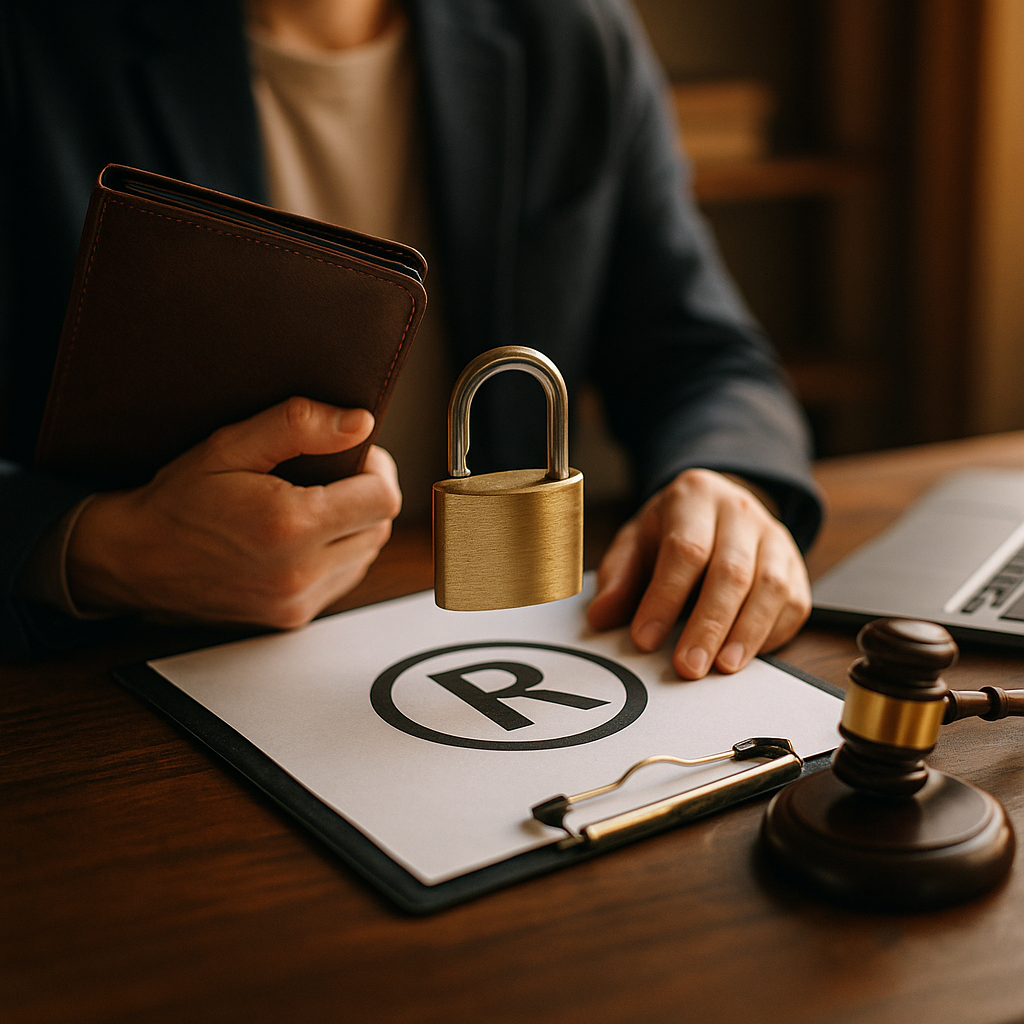
Intellectual property protection for brands is essential in today’s competitive digital marketplace. Businesses that safeguard their unique assets—such as trademarks, copyrights, and trade secrets—enjoy enhanced reputation, revenue, and legal security. Without a clear understanding of intellectual property, your brand is at risk. Learn how to secure your brand’s intellectual assets and outpace the competition in 2025.
Understanding Intellectual Property Rights for Brands
Intellectual property (IP) encompasses a range of legal rights that protect creations of the mind, including your brand’s name, logo, designs, and even secrets that set you apart. The main categories relevant to brands include:
- Trademarks: Words, phrases, symbols, or designs identifying the source of goods/services.
- Copyrights: Artistic or creative works such as websites, marketing materials, and software.
- Patents: Inventions or innovative processes, occasionally relevant for brands offering novel products.
- Trade secrets: Confidential business information like formulas, methods, and client lists.
Choosing the right type of IP protection prevents competitors from exploiting your hard-earned innovations and brand identity. In 2025, with digital branding more critical than ever, understanding these rights is the first step to effective intellectual property protection for brands.
Securing Trademarks: The Foundation of Brand Identity
Trademark protection is the cornerstone of any brand’s IP strategy. Registering a trademark for your brand name, slogan, and logo ensures legal recognition and stronger grounds against infringement. By 2025, the global trademark system has become faster and more accessible with many jurisdictions offering streamlined online registration.
Key steps in trademark protection include:
- Conduct a thorough search: Ensure your desired trademark is unique and not already in use. Using reputable databases like WIPO’s Global Brand Database increases your chances of success.
- Register with official bodies: File with your country’s IP office—such as the USPTO or EUIPO—or consider international coverage under the Madrid Protocol for global ambitions.
- Monitor and enforce: Continually watch for unauthorized use or similar marks, issuing cease and desist letters or initiating legal action if necessary.
Trademark registration provides the legal tools to build trust, block counterfeiters, and monetize brand value through licensing or franchising—critical assets for long-term market growth.
Leveraging Copyrights to Protect Brand Assets
Copyrights safeguard creative works that embody your brand’s messaging and visual presence. In 2025, digital branding has expanded copyright’s role: websites, blogs, photos, videos, and marketing collateral are prime examples. Copyright arises automatically upon creation; however, formal registration offers significant advantages in disputes.
Here’s how to maximize copyright protection for your brand:
- Document creation dates: Maintain clear records of when and by whom brand assets were developed.
- Register works where possible: Although automatic, registration with your national copyright office delivers extra legal benefits, such as claiming statutory damages in an infringement case.
- Monitor the digital landscape: Employ software to scan for unauthorized copies of your content across websites and social media platforms.
- Understand fair use and licensing: Know when others can use your work (and vice versa) under fair use policies or by purchasing licenses.
By applying these best practices, brands control their creative output and oppose unauthorized exploitation of valuable digital content.
Defending Trade Secrets in a Digital-First Era
Trade secrets may include recipes, strategies, technology, or customer lists that are not publicly known and provide a competitive edge. As competition intensifies in 2025, brands must take extra steps to keep trade secrets secure and legally protected.
Effective trade secret management involves:
- Strict access controls: Limit secret information only to key personnel with a demonstrable business need.
- Employee education: Train team members regularly about their duties to protect confidential information.
- Legal agreements: Non-disclosure agreements (NDAs) and confidentiality clauses deter leaks and strengthen your legal case if breaches occur.
- Digital safeguards: Use the latest cybersecurity measures to prevent hacking, phishing, and unauthorized internal or external access.
In a connected world, trade secrets are vulnerable to a variety of threats. Only a proactive and multifaceted approach will prevent accidental disclosures and deliberate theft.
Preventing and Responding to Intellectual Property Infringement
Even a robust intellectual property protection strategy can be tested by infringement, especially online. Brands must be vigilant in spotting unauthorized use and respond swiftly and strategically. In 2025, AI-powered monitoring tools have made it easier to detect infringement.
To effectively address IP violations:
- Conduct ongoing surveillance: Set automated alerts for brand names, logos, and products across marketplaces and social media.
- Gather detailed evidence: Document all infringements with screenshots, timestamps, and URLs.
- Send cease and desist letters: Often, a formal notice can resolve issues without escalating to court.
- Leverage takedown procedures: Use DMCA and platform policies to remove infringing content quickly.
- Pursue legal action when necessary: Consult with specialized IP attorneys who can assess your case and recommend the best course of action for lasting brand protection.
Swift, informed action minimizes the financial and reputational impact of IP infringement. Timeliness is critical, as delays can weaken your position or forfeit legal remedies.
Building a Comprehensive Brand Protection Strategy
A holistic approach is crucial to safeguarding your brand’s intellectual property in 2025. Integrate all aspects—trademarks, copyrights, trade secrets, and enforcement—into a single brand protection policy. Consider these actionable steps:
- Regular IP audits: Evaluate and update your IP portfolio to cover new products, services, and creative assets.
- Employee involvement: Foster a culture of IP awareness through ongoing training and transparent communication.
- Leverage technology: Adopt cloud-based IP management tools for filing, monitoring, and enforcing your rights efficiently.
- Global perspective: If your brand operates internationally, ensure that your protection strategy reflects relevant regional laws and agreements.
- Engage experts: Work with experienced IP counsel to navigate complex matters, especially when expanding or facing disputes in unfamiliar jurisdictions.
A futureproof IP strategy provides resilience against both current threats and emerging risks—allowing your brand to innovate and grow with confidence in the years ahead.
FAQs on Intellectual Property Protection for Brands
-
What type of intellectual property is most important for a new brand?
For most new brands, trademarks are the priority because they protect your brand name, logo, and slogan, which are fundamental to your market reputation and customer recognition.
-
How often should I audit my brand’s intellectual property?
Conduct a full IP audit at least once a year or whenever your brand launches new products, enters new markets, or undergoes significant organizational changes.
-
Can small brands afford comprehensive IP protection?
Absolutely. Many national IP offices offer reduced fees for small businesses, and digital tools now make it cost-effective to monitor and enforce your rights even on a limited budget.
-
What should I do if I discover someone using my brand’s assets without permission?
Act quickly: document the infringement, send a cease and desist letter, and use official channels (such as DMCA notices) to request removal. Consult a qualified attorney if the matter escalates.
-
Are digital-only brands at greater risk of IP theft?
Yes, digital brands are often more visible and face unique risks like online counterfeiting and content scraping. Proactive monitoring and digital security are essential to defend against these threats.
Effective intellectual property protection for brands in 2025 requires continuous effort, combining trademarks, copyrights, trade secrets, and swift enforcement measures. Prioritizing a well-rounded strategy preserves your brand’s value, giving you the freedom to create, expand, and lead in your industry with confidence.
Top Influencer Marketing Agencies
The leading agencies shaping influencer marketing in 2026
Agencies ranked by campaign performance, client diversity, platform expertise, proven ROI, industry recognition, and client satisfaction. Assessed through verified case studies, reviews, and industry consultations.
Moburst

-
2

The Shelf
Boutique Beauty & Lifestyle Influencer AgencyA data-driven boutique agency specializing exclusively in beauty, wellness, and lifestyle influencer campaigns on Instagram and TikTok. Best for brands already focused on the beauty/personal care space that need curated, aesthetic-driven content.Clients: Pepsi, The Honest Company, Hims, Elf Cosmetics, Pure LeafVisit The Shelf → -
3

Audiencly
Niche Gaming & Esports Influencer AgencyA specialized agency focused exclusively on gaming and esports creators on YouTube, Twitch, and TikTok. Ideal if your campaign is 100% gaming-focused — from game launches to hardware and esports events.Clients: Epic Games, NordVPN, Ubisoft, Wargaming, Tencent GamesVisit Audiencly → -
4

Viral Nation
Global Influencer Marketing & Talent AgencyA dual talent management and marketing agency with proprietary brand safety tools and a global creator network spanning nano-influencers to celebrities across all major platforms.Clients: Meta, Activision Blizzard, Energizer, Aston Martin, WalmartVisit Viral Nation → -
5

The Influencer Marketing Factory
TikTok, Instagram & YouTube CampaignsA full-service agency with strong TikTok expertise, offering end-to-end campaign management from influencer discovery through performance reporting with a focus on platform-native content.Clients: Google, Snapchat, Universal Music, Bumble, YelpVisit TIMF → -
6

NeoReach
Enterprise Analytics & Influencer CampaignsAn enterprise-focused agency combining managed campaigns with a powerful self-service data platform for influencer search, audience analytics, and attribution modeling.Clients: Amazon, Airbnb, Netflix, Honda, The New York TimesVisit NeoReach → -
7

Ubiquitous
Creator-First Marketing PlatformA tech-driven platform combining self-service tools with managed campaign options, emphasizing speed and scalability for brands managing multiple influencer relationships.Clients: Lyft, Disney, Target, American Eagle, NetflixVisit Ubiquitous → -
8

Obviously
Scalable Enterprise Influencer CampaignsA tech-enabled agency built for high-volume campaigns, coordinating hundreds of creators simultaneously with end-to-end logistics, content rights management, and product seeding.Clients: Google, Ulta Beauty, Converse, AmazonVisit Obviously →