


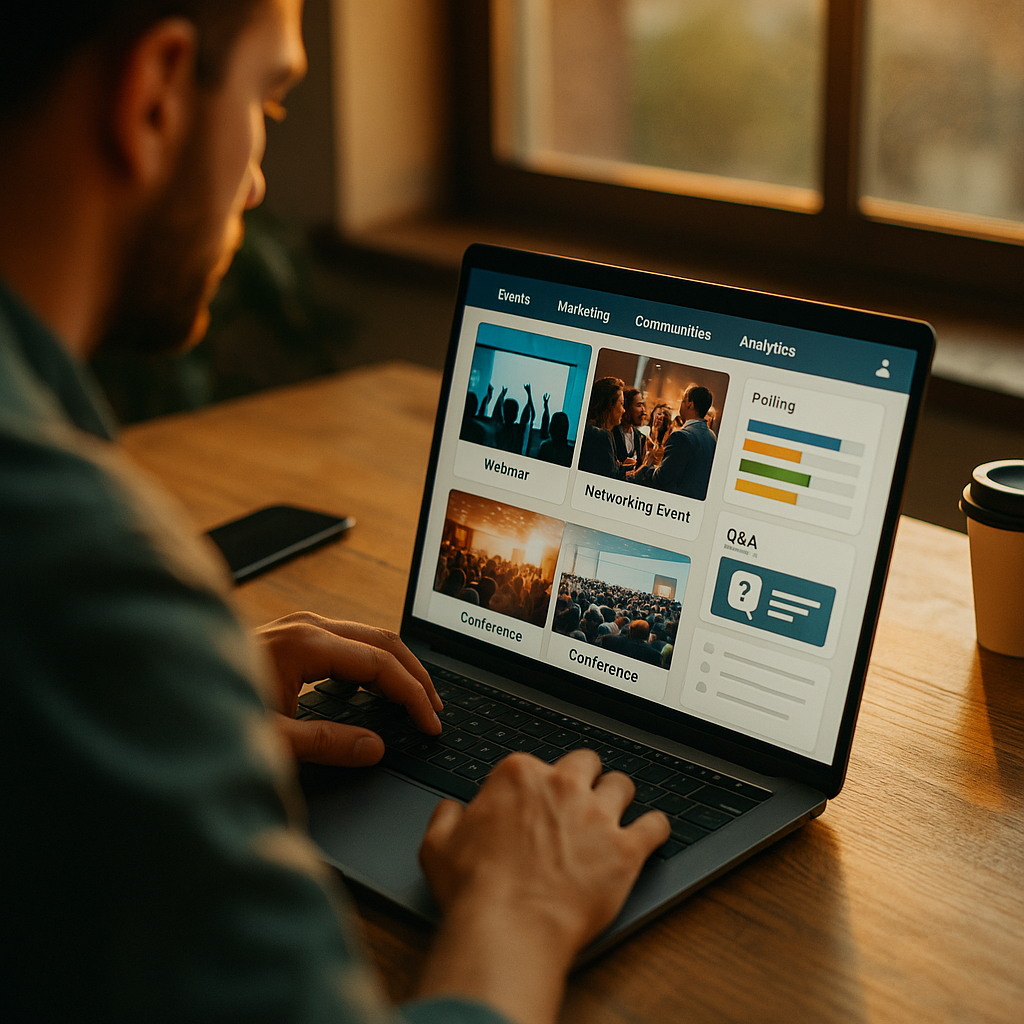
Choosing the right solution is critical for successful digital engagement, and that’s where this review of virtual and hybrid event platforms for marketers becomes essential. With an array of new tools in 2025, marketers can now achieve greater reach, flexibility, and ROI. Discover which platform features and options truly stand out for event success in today’s dynamic landscape.
The Rise of Virtual Events in Modern Marketing
The shift toward digital experiences continues to accelerate as marketers recognize the vast potential of virtual events for lead generation, brand awareness, and customer education. According to a 2025 Event Tech Benchmark survey, 74% of global marketers plan to host more virtual and hybrid events this year than ever before. This evolution is driven by attendee preferences for flexible access and by brands seeking measurable outcomes. Virtual event platforms now offer immersive networking, advanced analytics, and robust integrations—empowering marketers to exceed traditional event limitations. Understanding the evolution and expectations is the first step toward choosing a platform that elevates your event goals.
Essential Features of Hybrid Event Platforms for Marketers
Hybrid event platforms bridge the gap between in-person and digital, and top solutions incorporate several key features. Marketers should look for:
- Engagement Tools: Options like live chat, polling, and Q&A boost attendee interaction in both physical and online spaces.
- Seamless Registration: Unified ticketing and registration make onboarding smoother for all audiences.
- Content Management: On-demand playback and resource libraries extend the event’s value beyond its live hours.
- Analytics & Reporting: Integrated dashboards enable marketers to measure engagement, attendance, and lead quality.
- Integrations: Connecting with CRM, marketing automation, and social platforms amplifies data insight and campaign power.
Look for platforms offering strong mobile experiences and customizable branding, as these factors further enhance reach and credibility in 2025’s competitive event landscape.
Top Virtual Event Solutions for Marketers: A Comparative Review
Several virtual event platforms for marketers dominate the market with their innovation, scalability, and results-driven features. Here’s how some of the top names compare in 2025:
- Hopin: Renowned for its hybrid functionalities, Hopin offers interactive expos, flexible sponsorship packages, and outstanding video networking tools. Its robust analytics suite and deep CRM integrations are marketer favorites.
- ON24: ON24 specializes in webinars and personalized virtual experiences. The platform stands out for its focus on engagement scoring and lead nurturing, making it particularly valuable for B2B events and content-driven marketing.
- vFairs: With immersive 3D environments and customizable exhibit halls, vFairs delivers visually engaging events. Its gamification, breakout rooms, and post-event analytics empower brands seeking memorable, interactive shows.
- Accelevents: Praised for ease of use, Accelevents offers responsive support, hybrid ticketing, and built-in sponsorship management. AI-powered matchmaking helps marketers connect attendees with relevant sessions and exhibitors.
- Hubilo: Hubilo’s emphasis on community engagement shines through features like branded networking lounges, social feeds, and detailed audience analytics, creating a sense of ongoing connection before and after each event.
When comparing, prioritize platforms that match your organization’s audience size, technical capabilities, and engagement objectives. Each tool’s unique strengths and pricing must be weighed against your specific marketing goals.
Maximizing Engagement and ROI with Event Technology
A successful event isn’t just about the technology—it’s about how marketers deploy tools for genuine event engagement and ROI. Data-driven marketers now blend in-person and digital strategies. For example:
- Personalization: Advanced platforms allow you to tailor content, offers, and networking opportunities to individual attendee profiles, which boosts satisfaction and conversion rates.
- AI Recommendations: Intelligent matchmaking surfaces relevant sessions and sponsors for each attendee, increasing dwell time and value.
- Post-Event Activation: By leveraging on-demand content and follow-up workflows, marketers can nurture leads and extend engagement weeks after the live event concludes.
Modern analytics give a real-time window into attendee behavior and marketing attribution—enabling event teams to demonstrate clear, quantifiable returns to their stakeholders. The most effective event marketers also use feedback and survey features to optimize future programs for even better results.
Security and Compliance in 2025’s Event Platforms
For marketers handling sensitive attendees’ data, event platform security and compliance must be front-of-mind. In 2025, leading platforms comply with GDPR, CCPA, and other current privacy standards. Key considerations include:
- Data Encryption: End-to-end encryption during streaming and at rest secures both attendee data and proprietary event content.
- Access Controls: Role-based permissions ensure only authorized personnel access sensitive reports or settings.
- Compliance Audits: Choose vendors who offer transparent reporting and obtain certifications relevant to your industry or region.
Marketers should also weigh the platform’s track record for uptime reliability and swift support—a crucial differentiator in high-stakes, live-event settings. Building trust with your audience starts with robust data stewardship and transparent communication about how attendee data is handled.
How to Choose the Best Virtual or Hybrid Event Platform
Selecting the best virtual event technology for marketing requires a careful, structured approach. Consider these decision steps:
- Define Event Objectives: What are your measurable goals—lead generation, sales, education, or brand building?
- Understand Your Audience: Analyze attendee demographics and preferences to choose relevant engagement features.
- Assess Integration Needs: Ensure the platform smoothly connects with your existing marketing stack and CRM tools.
- Test User Experience: Request demos or pilot events to assess platform flexibility, accessibility, and ease for both hosts and attendees.
- Review Support and Pricing: Compare SLA terms, scalability, and contract transparency, considering both immediate and future needs.
Marketers in 2025 increasingly use feedback from both attendees and internal teams. Peer reviews, case studies, and industry forums also offer valuable, experience-based insights. Ultimately, the best platform is the one that aligns strategy, usability, and results.
FAQs: Virtual and Hybrid Event Platforms for Marketers in 2025
-
What’s the difference between a virtual and hybrid event platform?
Virtual event platforms host fully online experiences, while hybrid platforms facilitate a blended audience—combining in-person attendees with a digital component. Hybrid tools offer synchronized networking, content, and data for both onsite and online guests.
-
How do I measure the success of a virtual event?
Key success metrics include attendee engagement (polls, sessions attended), conversion rates, networking activity, sponsor ROI, and overall event feedback. Advanced platforms also measure lead quality and post-event content consumption.
-
What are the top security features to look for in event software?
Prioritize data encryption, GDPR/CCPA compliance, strong user authentication, and comprehensive reporting tools. Reliable event software should provide transparent privacy practices and round-the-clock technical support.
-
Can these event platforms integrate with my CRM and marketing automation tools?
Yes, most leading virtual and hybrid platforms in 2025 offer seamless integrations with popular CRM, email marketing, and analytics systems, streamlining lead generation and follow-up workflows. Always confirm compatibility during your selection process.
-
How do platforms support event branding and customization?
Top solutions in 2025 allow for branded event lobbies, personalized agendas, sponsor booths, and branded content. Look for platforms offering flexible design templates and custom domain options to maintain your brand identity at every event touchpoint.
In summary, selecting the right virtual or hybrid event platform for marketers in 2025 requires balancing innovative features, proven security, and tangible ROI. With clear objectives and an understanding of essential technology, marketers can power digital engagement and drive business growth at every event opportunity.
Top Influencer Marketing Agencies
The leading agencies shaping influencer marketing in 2026
Agencies ranked by campaign performance, client diversity, platform expertise, proven ROI, industry recognition, and client satisfaction. Assessed through verified case studies, reviews, and industry consultations.
Moburst

-
2

The Shelf
Boutique Beauty & Lifestyle Influencer AgencyA data-driven boutique agency specializing exclusively in beauty, wellness, and lifestyle influencer campaigns on Instagram and TikTok. Best for brands already focused on the beauty/personal care space that need curated, aesthetic-driven content.Clients: Pepsi, The Honest Company, Hims, Elf Cosmetics, Pure LeafVisit The Shelf → -
3

Audiencly
Niche Gaming & Esports Influencer AgencyA specialized agency focused exclusively on gaming and esports creators on YouTube, Twitch, and TikTok. Ideal if your campaign is 100% gaming-focused — from game launches to hardware and esports events.Clients: Epic Games, NordVPN, Ubisoft, Wargaming, Tencent GamesVisit Audiencly → -
4

Viral Nation
Global Influencer Marketing & Talent AgencyA dual talent management and marketing agency with proprietary brand safety tools and a global creator network spanning nano-influencers to celebrities across all major platforms.Clients: Meta, Activision Blizzard, Energizer, Aston Martin, WalmartVisit Viral Nation → -
5

The Influencer Marketing Factory
TikTok, Instagram & YouTube CampaignsA full-service agency with strong TikTok expertise, offering end-to-end campaign management from influencer discovery through performance reporting with a focus on platform-native content.Clients: Google, Snapchat, Universal Music, Bumble, YelpVisit TIMF → -
6

NeoReach
Enterprise Analytics & Influencer CampaignsAn enterprise-focused agency combining managed campaigns with a powerful self-service data platform for influencer search, audience analytics, and attribution modeling.Clients: Amazon, Airbnb, Netflix, Honda, The New York TimesVisit NeoReach → -
7

Ubiquitous
Creator-First Marketing PlatformA tech-driven platform combining self-service tools with managed campaign options, emphasizing speed and scalability for brands managing multiple influencer relationships.Clients: Lyft, Disney, Target, American Eagle, NetflixVisit Ubiquitous → -
8

Obviously
Scalable Enterprise Influencer CampaignsA tech-enabled agency built for high-volume campaigns, coordinating hundreds of creators simultaneously with end-to-end logistics, content rights management, and product seeding.Clients: Google, Ulta Beauty, Converse, AmazonVisit Obviously →