


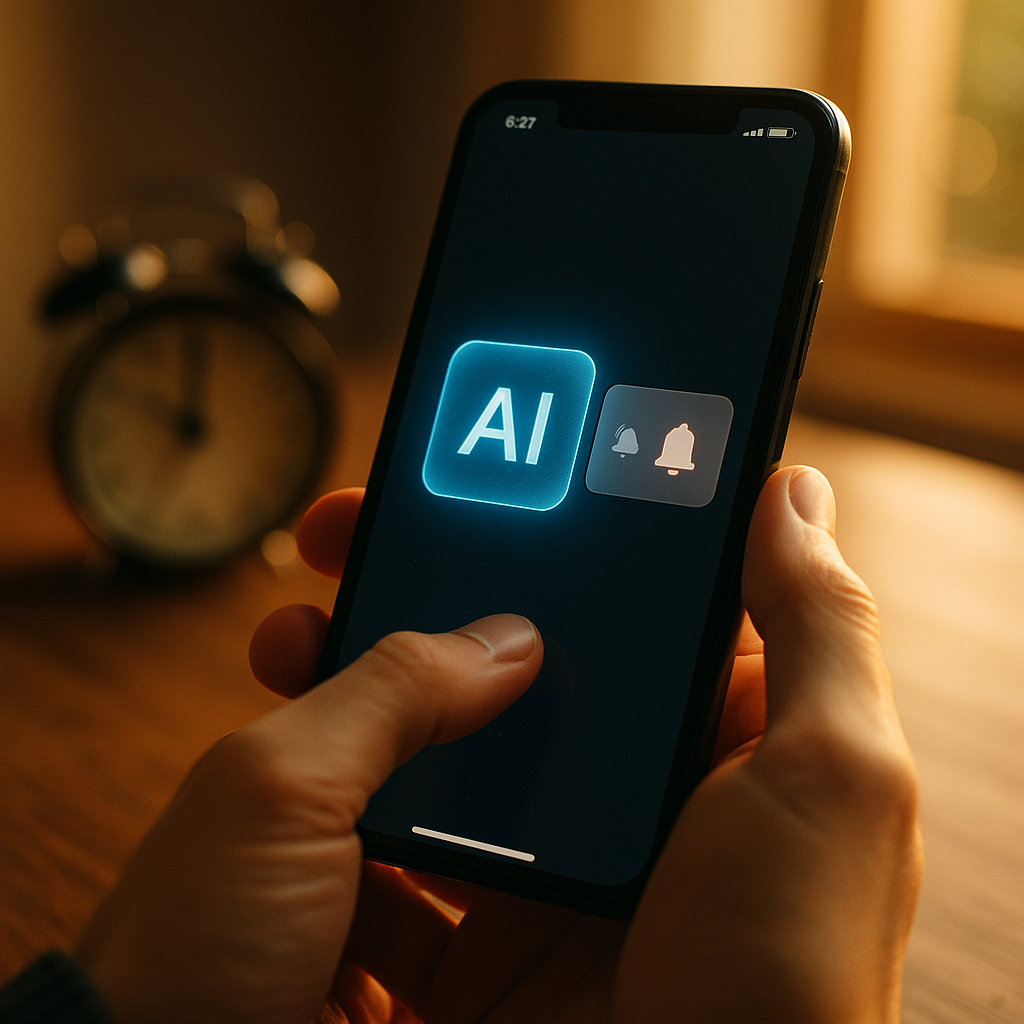
Using AI to analyze and predict the best send time for your push notifications has redefined mobile engagement strategies in 2025. Maximizing open rates and relevance is now data-driven and precise. But how exactly does AI determine the perfect timing, and what actionable insights can marketers harness? Read on as we unlock the secrets to smarter push notification strategies.
How AI Push Notification Analysis Optimizes Timing
A surge in mobile app usage has ushered in greater competition for users’ attention. AI push notification analysis leverages machine learning algorithms to track, assess, and optimize the timing of messages. These systems ingest real-time behavioral data, such as user activity windows, time zone differences, and previous interaction patterns. By weighing these variables, AI uncovers patterns invisible to manual analysis—helping fine-tune send times for each segment or individual user.
For example, a fitness app might realize certain users engage most just before lunch on weekdays but are more active in the evenings on weekends. AI can spot these shifts and adjust notification schedules, ensuring every message lands when users are most receptive. This fully automates what once required laborious guesswork and A/B testing.
The Impact of AI Predictive Models on User Engagement
AI predictive models for send times have transformed engagement rates across industries. Companies using these systems often report a 25-40% increase in open rates and higher conversion rates. The models analyze granular factors, including:
- Session frequency and length: When and how often users open your app
- Preferred device usage: Mobile habits across smartphones, tablets, and wearables
- Lifecycle stage: Onboarding, active use, or re-engagement phase
- External events: Holidays, local events, or weather-triggered behavior
Predictive algorithms process this multidimensional data, learning and refining over time. By continually updating predictions, AI ensures push notifications are timely, relevant, and less likely to be ignored or silenced. The result: improved ROI for marketers and a better experience for users.
Leveraging User Behavior Data for Personalization
Effective AI push notification solutions don’t rely on generic benchmarks. Instead, they delve into user behavior data for micro-segmentation, enabling hyper-personalized delivery schedules. This means notifications go out not just at the most popular hour, but at each user’s optimal moment.
User behavior data might include purchase history, preferred app features, and engagement frequency. By analyzing subtle shifts in interaction (such as a new habit of late-night browsing), AI can rapidly recalibrate suggestion engines. Marketers can automate this personalization at scale, maintaining relevance as user patterns evolve—all while reducing manual intervention.
This depth of personalization translates to fewer opt-outs and helps brands respect user preferences, improving long-term loyalty and app retention in 2025’s crowded digital landscape.
Choosing the Right AI-Based Push Notification Tools
Not all AI-based push notification tools offer the same precision. Look for features that align with EEAT (Experience, Expertise, Authoritativeness, and Trustworthiness) guidelines:
- Transparent data usage: Ensure the platform discloses which data points inform timing decisions and how privacy is protected.
- Real-time analytics: Tools should deliver live feedback on open rates, engagement, and user sentiment for continuous improvement.
- Customizable algorithms: The best solutions allow you to set goals, constraints, and define unique user segments for customized send time recommendations.
- Seamless integration: Support for popular app frameworks, CRMs, and compliance with privacy legislation is essential in 2025.
Review independent case studies or request platform demos to validate vendor claims. By choosing software that puts user experience and data security first, you’ll foster trust with your audience and meet evolving marketing standards.
How AI Handles Time Zones and Global User Bases
Managing a worldwide user base used to mean compromising on push notification timing. AI, however, sidesteps this challenge by dynamically adjusting for each user’s local environment. The best AI notification platforms detect time zones automatically and factor in local habits, holidays, and even daylight saving changes without manual intervention.
Some advanced systems cross-check IP addresses, device settings, and behavioral timestamps to ensure optimal timing. The result is a seamless experience for global users—each message feels timely and relevant, no matter where the recipient is. This leads to a significant boost in international open rates and ensures compliance with anti-spam regulations across different regions.
Implementing an AI-Driven Push Notification Strategy
To ensure the success of an AI-driven push notification strategy, start by auditing your current performance metrics. Establish clear objectives, whether it’s increasing daily active users, reactivating dormant customers, or promoting seasonal campaigns. Integrate your app analytics with the chosen AI platform, and allow the system to learn from at least several weeks of user data for baseline accuracy.
Next, set up A/B tests to compare AI-recommended send times against your traditional methods. Continuously monitor uplift in engagement metrics, segmentation effectiveness, and user satisfaction. Be prepared to iterate; as user habits shift—affected by changing technologies, work routines, or global events—your AI system should automatically adjust its models to keep timing strategies optimal. Collaboration between marketing, product, and data science teams will maximize ROI and ensure responsible use of AI-driven automation.
Conclusion
AI-driven analysis and prediction of the best send time for your push notifications is a must-have for competitive brands in 2025. By embracing intelligent timing and micro-personalization, marketers can deeply boost user engagement, respect privacy, and drive measurable results. Leverage AI not as a shortcut, but as a strategic partner for smarter, more human-centric communications.
FAQs on AI and Push Notification Send Time Optimization
-
How does AI predict the best time to send push notifications?
AI analyzes patterns in user behavior, such as app usage times, engagement history, and device activity, to identify when users are most likely to interact with notifications. These insights drive personalized send time recommendations at the individual level.
-
Can AI improve push notification engagement compared to manual scheduling?
Yes. Brands using AI-assisted timing often achieve significantly higher open and click-through rates. AI outperforms manual methods by constantly learning from real-time user data and optimizing delivery with unmatched precision.
-
What data is required for AI to make accurate predictions?
AI typically needs access to historical engagement metrics, user session data, device information, geographical location, and prior notification responses. The more rich and diverse the data, the better its prediction accuracy.
-
Is user privacy at risk when using AI for push notification timing?
Reputable AI solutions prioritize user privacy, anonymizing data and complying with current regulations such as GDPR and CCPA. Always choose platforms that are transparent about data usage and give users control over notification preferences.
-
How soon can I expect results from implementing AI-based push notifications?
Marketers typically notice meaningful improvements in engagement within several weeks, as the AI collects enough data to make precise predictions. Ongoing optimization ensures results continue to improve over time.
Top Influencer Marketing Agencies
The leading agencies shaping influencer marketing in 2026
Agencies ranked by campaign performance, client diversity, platform expertise, proven ROI, industry recognition, and client satisfaction. Assessed through verified case studies, reviews, and industry consultations.
Moburst

-
2

The Shelf
Boutique Beauty & Lifestyle Influencer AgencyA data-driven boutique agency specializing exclusively in beauty, wellness, and lifestyle influencer campaigns on Instagram and TikTok. Best for brands already focused on the beauty/personal care space that need curated, aesthetic-driven content.Clients: Pepsi, The Honest Company, Hims, Elf Cosmetics, Pure LeafVisit The Shelf → -
3

Audiencly
Niche Gaming & Esports Influencer AgencyA specialized agency focused exclusively on gaming and esports creators on YouTube, Twitch, and TikTok. Ideal if your campaign is 100% gaming-focused — from game launches to hardware and esports events.Clients: Epic Games, NordVPN, Ubisoft, Wargaming, Tencent GamesVisit Audiencly → -
4

Viral Nation
Global Influencer Marketing & Talent AgencyA dual talent management and marketing agency with proprietary brand safety tools and a global creator network spanning nano-influencers to celebrities across all major platforms.Clients: Meta, Activision Blizzard, Energizer, Aston Martin, WalmartVisit Viral Nation → -
5

The Influencer Marketing Factory
TikTok, Instagram & YouTube CampaignsA full-service agency with strong TikTok expertise, offering end-to-end campaign management from influencer discovery through performance reporting with a focus on platform-native content.Clients: Google, Snapchat, Universal Music, Bumble, YelpVisit TIMF → -
6

NeoReach
Enterprise Analytics & Influencer CampaignsAn enterprise-focused agency combining managed campaigns with a powerful self-service data platform for influencer search, audience analytics, and attribution modeling.Clients: Amazon, Airbnb, Netflix, Honda, The New York TimesVisit NeoReach → -
7

Ubiquitous
Creator-First Marketing PlatformA tech-driven platform combining self-service tools with managed campaign options, emphasizing speed and scalability for brands managing multiple influencer relationships.Clients: Lyft, Disney, Target, American Eagle, NetflixVisit Ubiquitous → -
8

Obviously
Scalable Enterprise Influencer CampaignsA tech-enabled agency built for high-volume campaigns, coordinating hundreds of creators simultaneously with end-to-end logistics, content rights management, and product seeding.Clients: Google, Ulta Beauty, Converse, AmazonVisit Obviously →