


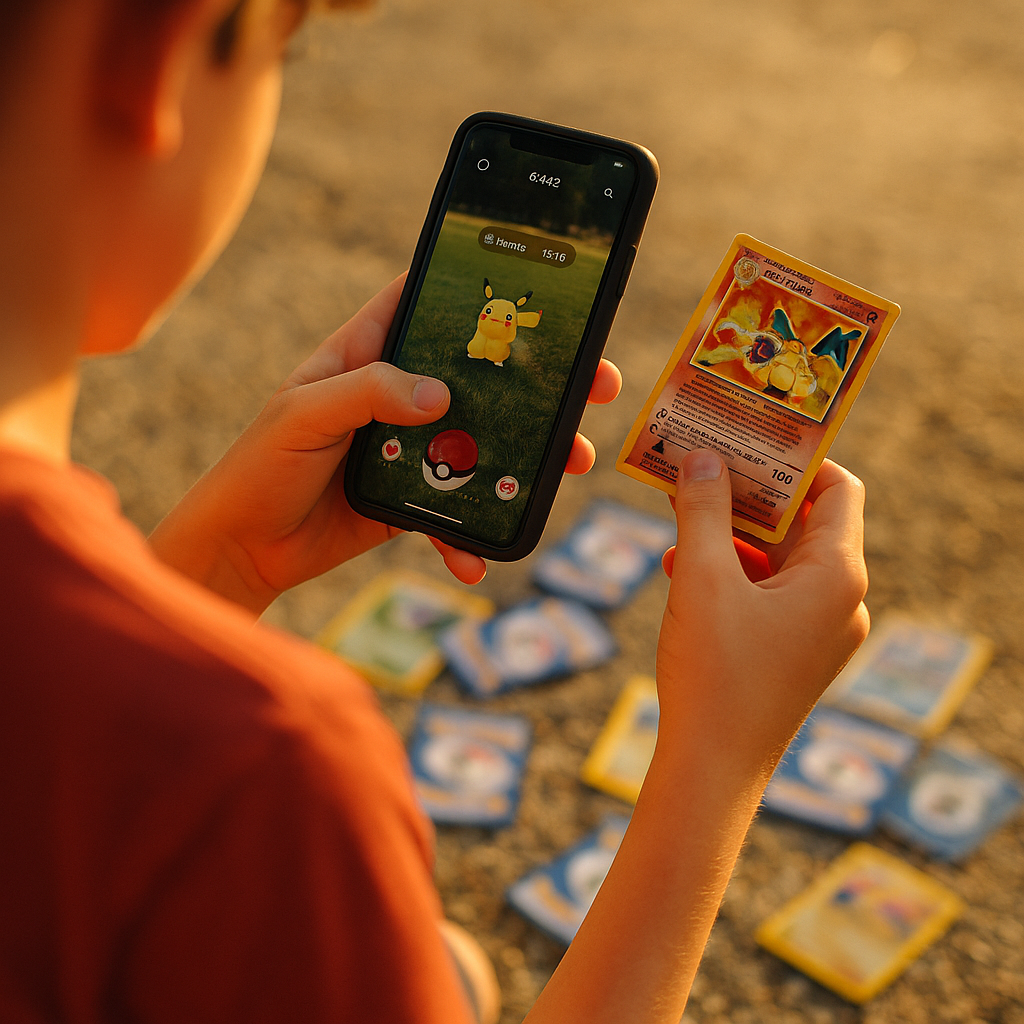
Nostalgia marketing is a powerful tool in a brand’s arsenal, and this article explores a case study of a brand that successfully used nostalgia to connect with a new generation. Discover how this approach resonates with today’s consumers, strengthens emotional bonds, and drives impressive results for forward-thinking brands.
Understanding Nostalgia Marketing: Key to Emotional Branding
Nostalgia marketing leverages fond memories from the past to create appeal in the present, tapping into emotional connections that are often more powerful than traditional advertising. Brands deploy nostalgia to evoke a sense of comfort and familiarity, making new products and experiences feel both trustworthy and exciting. According to recent studies, 65% of Gen Z and millennials feel more positively about brands that incorporate nostalgic elements.
This emotional branding strategy isn’t limited to re-releases or retro-inspired packaging. It encompasses storytelling, collaborations, and interactive campaigns that invite consumers to relive and reinterpret the past. In an era saturated with digital content, harnessing nostalgia enables brands to cut through the noise and foster genuine relationships with both loyal fans and new audiences.
The Case Study: Pokémon’s Multigenerational Appeal
Few brands embody nostalgia marketing as authentically and effectively as Pokémon. Originally launched in the 1990s, Pokémon has deftly reinvented itself to remain relevant, especially with its surge among Gen Z—a demographic born well after its inception. With the release of new video games, the revival of trading cards, and contemporary collaborations, Pokémon has engaged both longtime fans and a brand-new generation.
This remarkable example of reimagined nostalgia shows the impact of thoughtful brand evolution. Pokémon’s strategy goes beyond simple reboots; it crafts experiences where seasoned players and first-time fans can connect. In a 2024 survey by Ipsos, Pokémon ranked as one of the top three most recognized pop culture brands among 18- to 25-year-olds.
Campaign Strategies: Repackaging Memories for the New Generation
Pokémon’s success story hinges on strategic, multi-channel nostalgia campaigns. Some of the most memorable tactics include:
- Collaborative Partnerships: Pokémon teamed up with fashion brands and tech companies, launching limited-edition merchandise that merges classic iconography with current trends.
- Augmented Reality Experiences: The ongoing success of Pokémon GO demonstrates the power of blending nostalgic IP with cutting-edge technology, creating interactive adventures that appeal to digital natives.
- Community Engagement: Annual events, challenges, and online tournaments unite fans around the world, using shared history as a touchpoint for inclusion and excitement.
These initiatives are designed not solely to celebrate the past, but to invite a new generation to create their own memories. By meeting young audiences in their preferred spaces—on smartphones, streaming platforms, and social media—Pokémon cements its legacy while sparking fresh enthusiasm.
Influencer Collaborations and User-Generated Content: Broadening the Reach
Influencer marketing and user-generated content now play a critical role in nostalgia-driven campaigns, particularly for reaching Gen Z and younger millennials. Pokémon capitalized on this by partnering with popular creators on platforms such as YouTube and TikTok, encouraging authentic storytelling and creative reinterpretations of classic moments.
In 2024, the viral #PokemonNostalgia challenge generated over 1.2 billion views globally. Fans shared their favorite Pokémon memories, re-enacted iconic TV scenes, and displayed their card collections—giving the brand invaluable organic exposure and fostering a vibrant online community. This participatory approach doesn’t just revive nostalgia; it makes it a living, evolving conversation.
Data-Driven Results: Measurable Impact of Nostalgia Marketing
Pokémon’s commitment to nostalgia marketing produced tangible results. According to recent market analysis:
- The global Pokémon franchise generated over $11.5 billion in retail sales in 2024, a 15% increase compared to the previous year.
- Social media engagement grew by 25%, with significant spikes during nostalgia-themed campaigns and anniversaries.
- The Pokémon Trading Card Game saw a resurgence, with card sales reaching their highest numbers since their original release.
These figures highlight that nostalgia can do more than create a buzz—it can drive sustained, measurable growth. As emerging consumers crave authenticity and emotional value, nostalgia marketing helps brands remain both relevant and beloved.
Lessons Learned: Best Practices for Brands Using Nostalgia to Reach Gen Z
Pokémon’s journey offers actionable insights for brands seeking to replicate its success:
- Authenticity: Remain true to your brand’s core story. Modernize, but don’t erase what made the brand special.
- Inclusivity: Create spaces where all fans, old and new, feel welcome to engage and create.
- Innovation: Leverage new technologies and platforms, turning nostalgia into a springboard, not a crutch.
- Data-Driven Approach: Measure the impact of campaigns in real time and adjust strategies based on consumer response.
- Storytelling: Use emotional connections to deepen customer loyalty and encourage repeat engagement.
When executed thoughtfully, nostalgia marketing can be an enduring growth strategy—not just a fleeting trend. The key lies in celebrating meaningful connections while boldly looking ahead.
Conclusion: Building Emotional Bridges Through Nostalgia Marketing
A brand that successfully used nostalgia to connect with a new generation shows that genuine emotional engagement, combined with innovative strategies, can drive relevance and long-term loyalty. The Pokémon case study offers a blueprint for brands aspiring to spark cross-generational connections and remain iconic in a constantly evolving market.
FAQs on Using Nostalgia to Connect With New Generations
-
What is nostalgia marketing, and why does it work?
Nostalgia marketing leverages consumers’ fond memories to create emotional connections, making brands feel more authentic and familiar. It works because emotions drive purchasing decisions and loyalty, especially when people seek comfort or meaningful connections in an ever-changing world.
-
Which brands have successfully used nostalgia marketing?
Pokémon, LEGO, and Nintendo are standout examples. These brands reinvigorate classic elements through modern campaigns, technology, and collaborations, engaging both loyal fans and new audiences in innovative ways.
-
How can brands use nostalgia without feeling outdated?
By blending heritage with innovation—using current platforms, technology, and cultural trends—brands can honor their history while remaining relevant. Authentic storytelling and participatory experiences are essential for engaging younger generations without appearing old-fashioned.
-
What role does social media play in nostalgia marketing?
Social media amplifies nostalgia marketing by enabling viral campaigns, influencer partnerships, and user-generated content. It lets brands reach and engage audiences where they spend the most time, making nostalgia a shared, interactive experience.
-
What risks should brands consider when using nostalgia?
Overuse or inauthentic campaigns can backfire, making brands appear opportunistic. It’s crucial to balance reverence for the past with innovation, avoiding stereotypes or dated messaging that may alienate younger audiences.
Top Influencer Marketing Agencies
The leading agencies shaping influencer marketing in 2026
Agencies ranked by campaign performance, client diversity, platform expertise, proven ROI, industry recognition, and client satisfaction. Assessed through verified case studies, reviews, and industry consultations.
Moburst

-
2

The Shelf
Boutique Beauty & Lifestyle Influencer AgencyA data-driven boutique agency specializing exclusively in beauty, wellness, and lifestyle influencer campaigns on Instagram and TikTok. Best for brands already focused on the beauty/personal care space that need curated, aesthetic-driven content.Clients: Pepsi, The Honest Company, Hims, Elf Cosmetics, Pure LeafVisit The Shelf → -
3

Audiencly
Niche Gaming & Esports Influencer AgencyA specialized agency focused exclusively on gaming and esports creators on YouTube, Twitch, and TikTok. Ideal if your campaign is 100% gaming-focused — from game launches to hardware and esports events.Clients: Epic Games, NordVPN, Ubisoft, Wargaming, Tencent GamesVisit Audiencly → -
4

Viral Nation
Global Influencer Marketing & Talent AgencyA dual talent management and marketing agency with proprietary brand safety tools and a global creator network spanning nano-influencers to celebrities across all major platforms.Clients: Meta, Activision Blizzard, Energizer, Aston Martin, WalmartVisit Viral Nation → -
5

The Influencer Marketing Factory
TikTok, Instagram & YouTube CampaignsA full-service agency with strong TikTok expertise, offering end-to-end campaign management from influencer discovery through performance reporting with a focus on platform-native content.Clients: Google, Snapchat, Universal Music, Bumble, YelpVisit TIMF → -
6

NeoReach
Enterprise Analytics & Influencer CampaignsAn enterprise-focused agency combining managed campaigns with a powerful self-service data platform for influencer search, audience analytics, and attribution modeling.Clients: Amazon, Airbnb, Netflix, Honda, The New York TimesVisit NeoReach → -
7

Ubiquitous
Creator-First Marketing PlatformA tech-driven platform combining self-service tools with managed campaign options, emphasizing speed and scalability for brands managing multiple influencer relationships.Clients: Lyft, Disney, Target, American Eagle, NetflixVisit Ubiquitous → -
8

Obviously
Scalable Enterprise Influencer CampaignsA tech-enabled agency built for high-volume campaigns, coordinating hundreds of creators simultaneously with end-to-end logistics, content rights management, and product seeding.Clients: Google, Ulta Beauty, Converse, AmazonVisit Obviously →