


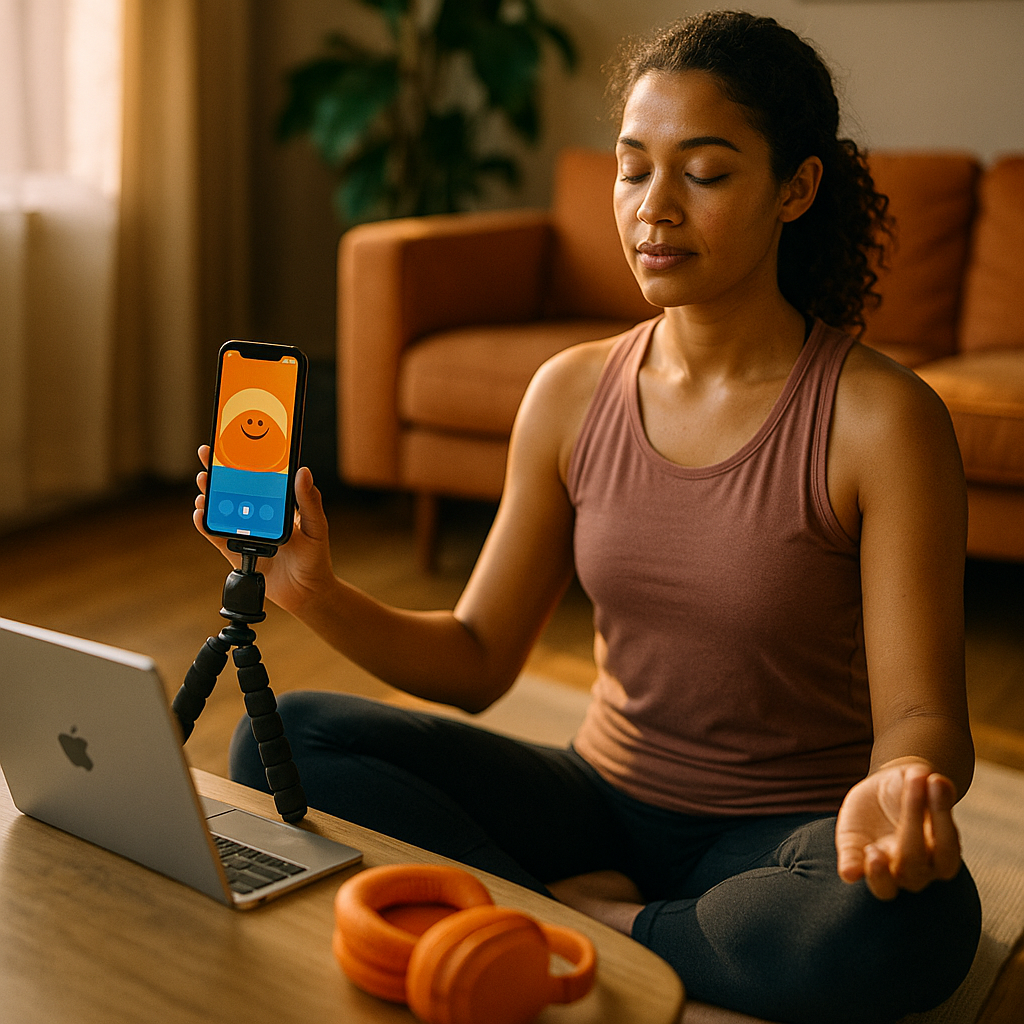
Headspace uses mindfulness influencers for user acquisition by crafting authentic partnerships that drive engagement and trust. Through strategic collaborations, Headspace builds brand credibility and effectively reaches new audiences looking for guided meditation and well-being solutions. Let’s explore how Headspace’s influencer marketing stands out and what this means for brands navigating the health and wellness sector in 2025.
Why Mindfulness Influencers Matter in Digital Marketing
The digital wellness space is crowded, and audiences crave genuine voices they can trust. Mindfulness influencers—individuals respected for their expertise and relatable wellness journeys—bridge the gap between brands and consumers. As of 2025, recent studies from the Global Wellness Institute highlight that over 60% of wellness app users discover new wellness brands through influencer content. These influencers not only enhance a brand’s reach but also reinforce its credibility by sharing personal stories, deepening user connection, and creating a trustworthy narrative around mental health initiatives.
For Headspace, tapping into these established communities offers a direct channel to individuals already invested in mindfulness, resulting in higher conversion rates than traditional ads. Influencer partnerships are not just about numbers—they’re about nurturing authentic conversations and sustainable user growth.
How Headspace Selects and Partners With Mindfulness Influencers
Headspace’s influencer marketing strategy isn’t about the biggest follower counts; it’s about careful curation. The brand identifies influencers whose content aligns naturally with its core values of accessibility, science-backed techniques, and genuine well-being. Headspace collaborates with:
- Accredited meditation teachers active on platforms like Instagram, YouTube, and TikTok
- Wellness advocates sharing real-life mindfulness journeys with engaged, loyal audiences
- Mental health professionals who educate about the psychological benefits of mindfulness
By vetting collaborations based on content authenticity, audience demographics, and ethical standards, Headspace ensures its message reaches users most likely to benefit—and engage.
User Acquisition Through Authentic Storytelling and Education
Mindfulness influencers help Headspace grow its user base by weaving their personal experiences with the app into their digital storytelling. These narratives might include:
- Demonstrations of guided meditation or sleep exercises from the Headspace app
- Case studies or before/after stories about emotional well-being improvements
- Content series focused on reducing workplace stress or anxiety management tips
Educational content is especially powerful. In 2025, the most shared wellness influencer posts include actionable meditation tips and honest feedback on app features. By sharing real, relatable journeys, influencers convert passive viewers into active app users—leading to organic growth and increased user retention for Headspace.
Measuring the Impact of Influencer Collaborations for Headspace
Success for Headspace goes beyond follower counts. Using advanced tracking and transparent KPIs, Headspace measures its influencer campaigns through:
- User sign-ups via unique influencer links or discount codes
- App engagement analytics (such as meditation streaks and content completion rates)
- Community sentiment tracked through comments, shares, and testimonials
According to recent marketing insights, Headspace achieved a 35% higher retention rate among users acquired through influencer campaigns compared to standard ad channels. This highlights the power of peer recommendation and community in driving sustained engagement.
Building Long-Term Brand Advocacy and Trust
While initial acquisition is important, Headspace prioritizes long-term relationships with both influencers and their audiences. By investing in:
- Ongoing collaborations and check-ins with key partners
- Co-creating meditation programs or in-app content featuring influencers
- Offering exclusive events or webinars for influencer communities
Headspace transforms one-off campaigns into ongoing advocacy. This strategy deepens trust and signals Headspace’s commitment to genuine well-being—critical in an era where consumers are highly attuned to authenticity and transparency in health marketing.
The Future of User Acquisition in Wellness: Lessons from Headspace
Headspace’s use of mindfulness influencers for user acquisition sets a new standard for the wider health and wellness industry. The brand’s approach demonstrates that in 2025, authenticity, education, and ethical alignment outweigh follower count when it comes to effective influencer partnerships. Brands looking to replicate Headspace’s success should focus on transparent relationships, measurable impact, and community-driven content to build both growth and lasting trust.
FAQs About Headspace and Mindfulness Influencer Marketing
-
How does Headspace find the right mindfulness influencers?
Headspace selects influencers based on content authenticity, audience alignment, and shared values regarding mental well-being and accessibility. -
Are influencer partnerships effective for user retention?
Yes. Influencer-acquired users show higher retention due to trust in the influencer and a stronger sense of community and accountability. -
What platforms do Headspace influencers use most?
Instagram, YouTube, and TikTok are the leading platforms, with growing emphasis on podcast and newsletter collaborations in 2025. -
How does Headspace ensure its influencer campaigns are ethical?
Headspace only partners with credible influencers, encourages full disclosures, and prioritizes mental health education over sales messaging. -
Can smaller wellness brands learn from Headspace’s approach?
Absolutely. Even small brands can focus on authentic partnerships, educational storytelling, and community engagement for sustainable growth.
Headspace’s strategic use of mindfulness influencers for user acquisition in 2025 proves the value of authentic relationships and educational, trust-based marketing. By prioritizing long-term partnerships and measurable impact, Headspace sets an example for any wellness brand looking to grow a loyal, engaged user base through meaningful influencer collaborations.
Top Influencer Marketing Agencies
The leading agencies shaping influencer marketing in 2026
Agencies ranked by campaign performance, client diversity, platform expertise, proven ROI, industry recognition, and client satisfaction. Assessed through verified case studies, reviews, and industry consultations.
Moburst

-
2

The Shelf
Boutique Beauty & Lifestyle Influencer AgencyA data-driven boutique agency specializing exclusively in beauty, wellness, and lifestyle influencer campaigns on Instagram and TikTok. Best for brands already focused on the beauty/personal care space that need curated, aesthetic-driven content.Clients: Pepsi, The Honest Company, Hims, Elf Cosmetics, Pure LeafVisit The Shelf → -
3

Audiencly
Niche Gaming & Esports Influencer AgencyA specialized agency focused exclusively on gaming and esports creators on YouTube, Twitch, and TikTok. Ideal if your campaign is 100% gaming-focused — from game launches to hardware and esports events.Clients: Epic Games, NordVPN, Ubisoft, Wargaming, Tencent GamesVisit Audiencly → -
4

Viral Nation
Global Influencer Marketing & Talent AgencyA dual talent management and marketing agency with proprietary brand safety tools and a global creator network spanning nano-influencers to celebrities across all major platforms.Clients: Meta, Activision Blizzard, Energizer, Aston Martin, WalmartVisit Viral Nation → -
5

The Influencer Marketing Factory
TikTok, Instagram & YouTube CampaignsA full-service agency with strong TikTok expertise, offering end-to-end campaign management from influencer discovery through performance reporting with a focus on platform-native content.Clients: Google, Snapchat, Universal Music, Bumble, YelpVisit TIMF → -
6

NeoReach
Enterprise Analytics & Influencer CampaignsAn enterprise-focused agency combining managed campaigns with a powerful self-service data platform for influencer search, audience analytics, and attribution modeling.Clients: Amazon, Airbnb, Netflix, Honda, The New York TimesVisit NeoReach → -
7

Ubiquitous
Creator-First Marketing PlatformA tech-driven platform combining self-service tools with managed campaign options, emphasizing speed and scalability for brands managing multiple influencer relationships.Clients: Lyft, Disney, Target, American Eagle, NetflixVisit Ubiquitous → -
8

Obviously
Scalable Enterprise Influencer CampaignsA tech-enabled agency built for high-volume campaigns, coordinating hundreds of creators simultaneously with end-to-end logistics, content rights management, and product seeding.Clients: Google, Ulta Beauty, Converse, AmazonVisit Obviously →