


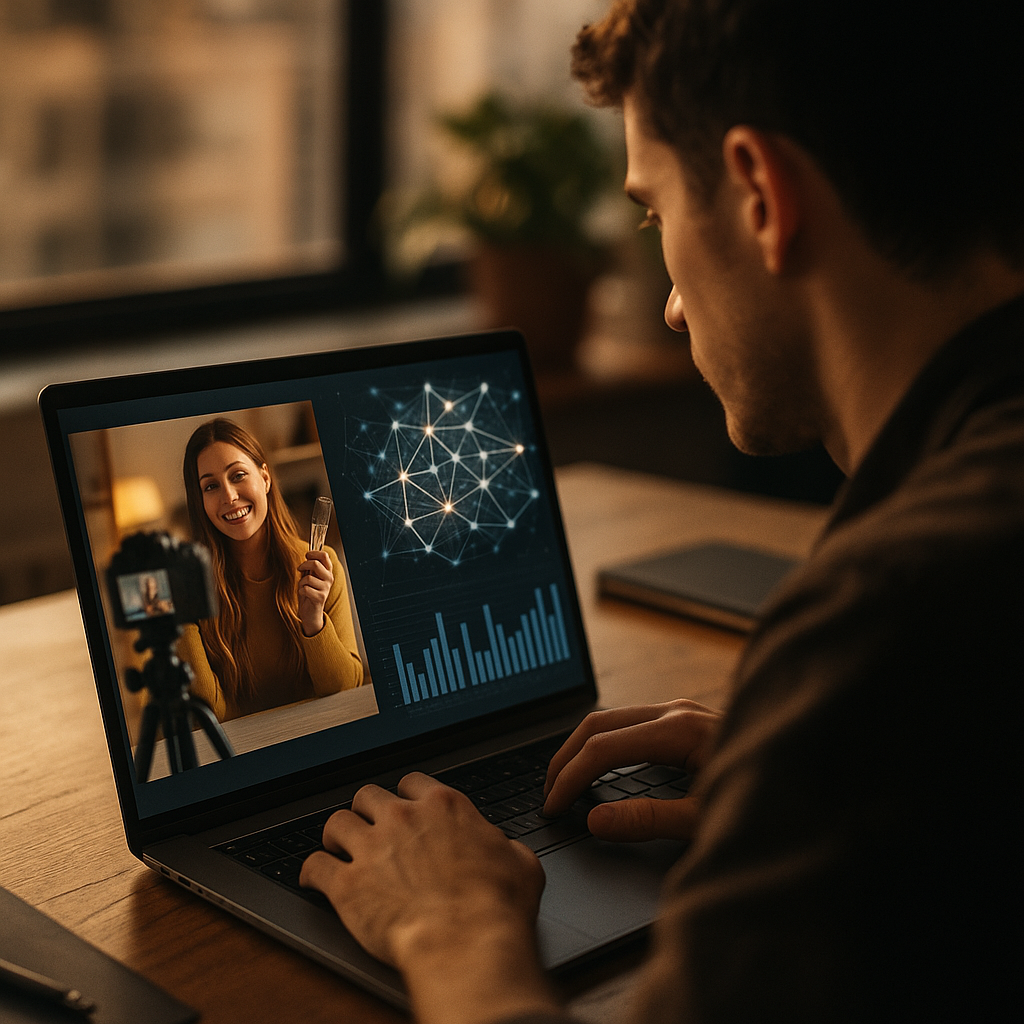
Neural networks for influencer content performance analysis are revolutionizing how brands measure social media impact. These AI-driven systems uncover patterns in audience engagement, sentiment, and ROI with unprecedented accuracy. As influencer marketing budgets grow in 2025, understanding how neural networks refine analytics could be the critical edge your business needs. Discover how these transformative tools shape smarter campaigns below.
How Neural Networks Disrupt Traditional Influencer Analytics
Historically, brands evaluated influencer campaigns using basic metrics like likes, comments, and follower counts. Yet, these surface-level statistics often failed to reveal the true value or influence an individual delivered. In 2025, neural networks are powering a profound shift in influencer analytics by extracting deeper meaning from complex data sets.
Instead of manual number-crunching, AI models efficiently process millions of data points, recognizing patterns humans might miss. By learning from past campaigns, neural networks distinguish genuine engagement from superficial interactions. They assess not only quantitative metrics but also qualitative aspects such as tone, sentiment, and context. This advanced approach empowers marketers to identify which influencers resonate with audiences and why, resulting in more precise campaign targeting.
Core Features of AI-Powered Content Performance Metrics
Today’s influencer content performance analysis relies on features delivered by neural networks that extend traditional analytics:
- Sentiment Analysis: These deep learning algorithms decipher the emotional tone of comments and posts, distinguishing between positive buzz and negative backlash with remarkable accuracy.
- Engagement Quality Scoring: Rather than counting raw engagement, neural networks weigh the substance and authenticity of interactions, filtering out bot-driven or irrelevant responses.
- Content Virality Prediction: By analyzing various multimedia features—such as images, hashtags, and copy—AI models forecast which posts will likely spread organically.
- ROI Attribution: Neural networks now link influencer activities directly to web traffic, conversions, or sales in a more nuanced manner, offering granular return-on-investment metrics.
- Trend Detection: Real-time analysis allows brands to spot emerging themes and viral trends as they develop, ensuring campaigns remain timely and relevant.
Building Trust with Data Quality and Bias Mitigation
Credibility is critical in influencer content performance analysis. Bias in training data can compromise results and alienate audiences. In 2025, data scientists and marketers place a premium on transparency, using techniques to reduce algorithmic bias while preserving data integrity. Layering diverse training data—across demographics, industries, and regions—ensures that AI models fairly represent the global influencer landscape.
Furthermore, the best neural network platforms now provide explainable AI (XAI) features, making it clear how certain recommendations or scores are derived. This enhanced transparency builds trust among decision-makers, creators, and audiences. Brands can audit AI-driven metrics, clarifying why certain influencers are selected or flagged, and making campaign results more actionable and defensible.
Enhancing Influencer Partnerships with Actionable Insights
Using neural networks isn’t just about crunching numbers; it’s about nurturing stronger influencer relationships and campaign outcomes. With richer insights into audience affinities, message resonance, and optimal posting times, brands and influencers can tailor content for peak performance. Predictive analytics reveal not just what worked in the past, but what is likely to succeed in the future.
This proactive approach promotes continuous improvement. Instead of waiting until a campaign ends to analyze results, stakeholders can adjust creative strategies on the fly, maximizing ROI and minimizing missteps. Regular feedback derived from neural analysis also supports influencers in developing their personal brands—forging high-impact, enduring partnerships.
Real-World Applications of Neural Networks in Influencer Marketing 2025
Global enterprises, e-commerce brands, and even micro-businesses are leveraging neural networks for influencer content performance analysis. According to a 2025 Social AI Study by InfluencerDB, companies using advanced neural analytics reported a 37% uptick in influencer campaign ROI over the prior year.
Here are some practical examples:
- Real-Time Campaign Optimization: AI tools flag underperforming content instantly, prompting influencers to adjust tactics and brands to reallocate spend.
- Fraud Detection: Machine learning models automatically detect fake followers, fraudulent engagement, or inauthentic content, safeguarding budgets and reputations.
- Audience Segmentation: Neural networks map audience demographics and interests in granular detail, enabling precision targeting for sponsored content.
- Competitor Benchmarking: Brands benchmark their influencer programs against competitors by tapping AI-powered market and sentiment insights.
Such applications empower teams to make smarter, faster, and more informed decisions.
Strategic Integration: Implementing Neural Networks in Your Influencer Program
Successfully adopting neural networks for influencer analytics doesn’t require advanced data science expertise. Many leading influencer marketing platforms now offer user-friendly dashboards with AI at their core. Key steps for brands include:
- Define business objectives: Determine what you hope to achieve—increased brand awareness, engagement, or sales.
- Integrate with social platforms: Grant access to relevant data streams from Instagram, TikTok, YouTube, and elsewhere.
- Assess and clean data: Work with providers who validate influencer authenticity and filter out anomalies or inconsistencies.
- Customize neural model parameters: Adjust models to align with campaign goals, target audiences, and product categories.
- Monitor results and iterate: Use actionable insights to refine strategies in an agile, ongoing fashion.
A strong partnership between marketing teams and AI solution providers maximizes value, ensuring analytics drive real-world business impact.
FAQs: Neural Networks For Influencer Content Performance Analysis
-
What is a neural network in influencer marketing?
A neural network in influencer marketing refers to an artificial intelligence system inspired by the human brain. It learns from vast social data to analyze influencer content, predicting performance and optimizing outreach strategies.
-
How accurate are neural network predictions for influencer campaigns?
Modern neural networks are remarkably accurate—often surpassing 90% in predicting engagement trends, virality, and ROI when fed extensive, high-quality data. However, accuracy depends on the quality and diversity of the training data.
-
Can small businesses benefit from neural influencer analytics?
Absolutely. AI-driven influencer analytics are increasingly accessible. Even small businesses can leverage neural networks via SaaS platforms to optimize their influencer strategy and maximize marketing returns.
-
Are neural networks expensive to implement?
The cost has dropped significantly as cloud-based services offer scalable, subscription-based solutions. Today, brands of all sizes can access AI-powered influencer analytics at a fraction of the previous investment.
-
How do neural networks detect fake engagement?
Neural networks analyze behavioral patterns, timestamps, and audience profiles. By flagging irregular activities—such as bulk likes from bot clusters—they distinguish authentic engagement from fraudulent interactions automatically.
Neural networks for influencer content performance analysis are unleashing a new era of evidence-based marketing. By automating deeper, real-time insights, brands drive higher ROI and forge more authentic influencer relationships. As AI tools become ever more user-friendly and affordable in 2025, strategic adoption will separate leaders from the rest. Invest in smarter analytics and elevate your influencer marketing results today.
Top Influencer Marketing Agencies
The leading agencies shaping influencer marketing in 2026
Agencies ranked by campaign performance, client diversity, platform expertise, proven ROI, industry recognition, and client satisfaction. Assessed through verified case studies, reviews, and industry consultations.
Moburst

-
2

The Shelf
Boutique Beauty & Lifestyle Influencer AgencyA data-driven boutique agency specializing exclusively in beauty, wellness, and lifestyle influencer campaigns on Instagram and TikTok. Best for brands already focused on the beauty/personal care space that need curated, aesthetic-driven content.Clients: Pepsi, The Honest Company, Hims, Elf Cosmetics, Pure LeafVisit The Shelf → -
3

Audiencly
Niche Gaming & Esports Influencer AgencyA specialized agency focused exclusively on gaming and esports creators on YouTube, Twitch, and TikTok. Ideal if your campaign is 100% gaming-focused — from game launches to hardware and esports events.Clients: Epic Games, NordVPN, Ubisoft, Wargaming, Tencent GamesVisit Audiencly → -
4

Viral Nation
Global Influencer Marketing & Talent AgencyA dual talent management and marketing agency with proprietary brand safety tools and a global creator network spanning nano-influencers to celebrities across all major platforms.Clients: Meta, Activision Blizzard, Energizer, Aston Martin, WalmartVisit Viral Nation → -
5

The Influencer Marketing Factory
TikTok, Instagram & YouTube CampaignsA full-service agency with strong TikTok expertise, offering end-to-end campaign management from influencer discovery through performance reporting with a focus on platform-native content.Clients: Google, Snapchat, Universal Music, Bumble, YelpVisit TIMF → -
6

NeoReach
Enterprise Analytics & Influencer CampaignsAn enterprise-focused agency combining managed campaigns with a powerful self-service data platform for influencer search, audience analytics, and attribution modeling.Clients: Amazon, Airbnb, Netflix, Honda, The New York TimesVisit NeoReach → -
7

Ubiquitous
Creator-First Marketing PlatformA tech-driven platform combining self-service tools with managed campaign options, emphasizing speed and scalability for brands managing multiple influencer relationships.Clients: Lyft, Disney, Target, American Eagle, NetflixVisit Ubiquitous → -
8

Obviously
Scalable Enterprise Influencer CampaignsA tech-enabled agency built for high-volume campaigns, coordinating hundreds of creators simultaneously with end-to-end logistics, content rights management, and product seeding.Clients: Google, Ulta Beauty, Converse, AmazonVisit Obviously →