


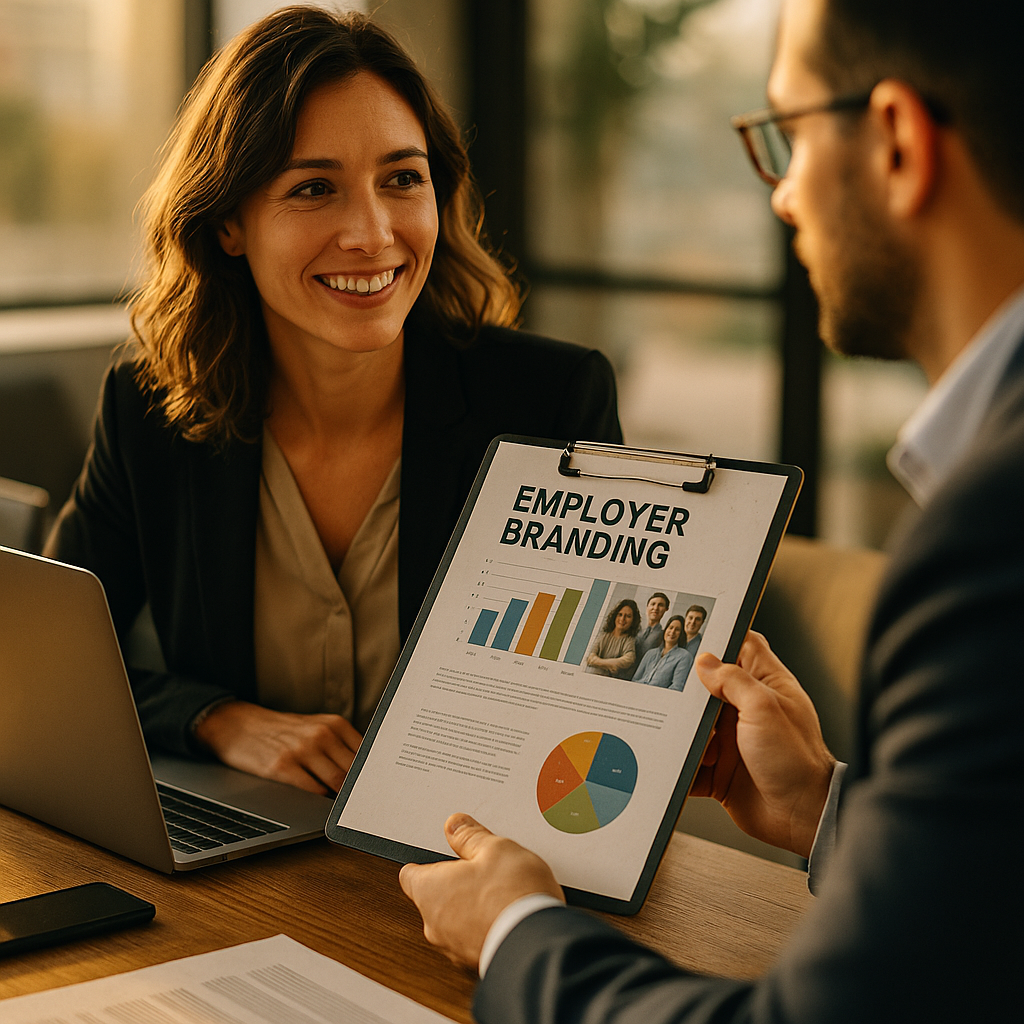
Employer branding through employee influencer programs is redefining how organizations attract top talent in 2025. By empowering employees to share authentic workplace stories, companies foster trust, engagement, and credibility. Dive into the practical steps and proven strategies that leading organizations use to amplify their employer brand using employee influencer programs—and discover how you can achieve the same results.
Why Employee Advocacy Drives Employer Branding Success
Employee advocacy is the cornerstone of any effective employer branding strategy. Today’s job seekers value transparency. According to Glassdoor, 86% of employees and job seekers research company reviews and ratings before applying for a job. Prospective candidates are more likely to trust information shared by current team members than by corporate channels.
Real stories and insights shared by employees on LinkedIn, Instagram, and other platforms provide honest glimpses into your company culture. This transparency builds credibility, showcases diversity, and underscores your company’s commitment to employee experience. In turn, strong advocacy leads to an increased talent pipeline, higher retention rates, and enhanced brand reputation within your industry.
Additionally, employee advocates often reach candidates in passive networks—talented professionals who might not be actively searching, but are open to new opportunities when inspired by insider perspectives.
Building an Employee Influencer Program: Key Steps for Sustainable Brand Impact
Employee influencer programs are more than buzzwords—they require careful planning. Here’s a step-by-step process that top companies now use to create and scale effective initiatives:
- Identify ambassadors: Select employees who are passionate, enthusiastic, and have organic online audiences or a willingness to learn.
- Set clear guidelines: Provide easy-to-understand policies about social media use, confidentiality, and brand voice while encouraging authenticity.
- Offer training and support: Host workshops to develop storytelling, content creation, and platform skills, empowering employees to share confidently and professionally.
- Recognize and reward participation: Celebrate employee influencers’ contributions through internal spotlights, incentives, or leadership opportunities.
- Measure and iterate: Track metrics such as engagement, reach, referral traffic, and quality of new applicants. Use insights to refine your program, tailoring content types and approaches to what resonates best.
Internal surveys reveal that employees feel more loyal and motivated when they are invited to contribute to the company’s brand story. This shared ownership directly fuels a positive workplace culture and enhances recruitment results.
Choosing the Right Social Platforms for Employee Brand Advocacy
Social platform selection is crucial for maximizing your employer brand’s reach. LinkedIn remains the premium platform for professional storytelling, networking, and job-related content. In 2025, short-form video on Instagram, TikTok, and even emerging platforms like BeReal play a growing role in showcasing behind-the-scenes culture snippets.
Encourage employee influencers to:
- Share day-in-the-life videos or reels that capture authentic moments.
- Post thought leadership articles or testimonials on LinkedIn.
- Highlight company events, team wins, or CSR initiatives through photo stories and hashtags on Instagram and Facebook.
Each platform attracts different demographics. Tailor your program by surveying employees about where they feel most comfortable sharing and where your ideal candidates spend time. Provide pre-approved visual assets and messaging templates that make posting easy, but empower employees to personalize their messages to prevent them from sounding scripted.
Measuring Employer Branding Through Influencer Program Analytics
Analytics and measurement are non-negotiable in employer branding through employee influencer programs. To ensure your program delivers tangible value, focus on metrics that reflect both reach and depth of engagement.
- Brand reach: Monitor impressions, shares, and the audience growth brought by your employee advocates’ posts.
- Engagement rates: Track likes, comments, and conversations started through advocacy content.
- Talent pipeline impact: Analyze changes in job applications, referral rates, candidate quality, and source-of-hire statistics after campaign launches.
- Internal feedback: Survey employees regularly about their sense of pride, inclusiveness, and whether they feel encouraged to represent the brand.
Pioneering companies also monitor employer review sites and social listening tools for shifts in public perception. Ultimately, combining quantitative data with qualitative feedback gives a comprehensive understanding of your brand’s evolving reputation.
Employee Experience: The Foundation of Successful Advocacy
Employee experience is the bedrock of every genuine advocacy program. Great employer branding starts with a healthy, fulfilling work environment. When companies invest in professional development, flexibility, wellness, and recognition, employees naturally want to share positive stories.
Gallup’s 2025 Workplace Report finds that 71% of employees who describe their experience as excellent are likely to recommend their employer online. Empower your teams by:
- Fostering open communication between leadership and staff.
- Providing learning pathways and mentorship.
- Celebrating diversity, equity, and inclusion in daily practice, not just in statements.
- Recognizing and rewarding contributions meaningfully.
Employee influencer programs built on genuine satisfaction are far more sustainable and impactful than those driven by perks or one-off campaigns.
Overcoming Common Challenges in Employee Influencer Programs
Program challenges are inevitable—but with the right approach, they become opportunities for growth and refinement. Common hurdles include:
- Employee hesitation: Some may fear overstepping boundaries or appearing inauthentic. Combat this with clear training and a supportive community.
- Consistency in messaging: While authenticity is key, align messaging with brand values via workshops and internal content playbooks.
- Resource allocation: Designate coordinators and digital tools that make participation easy for busy staff.
- Negative feedback management: Equip employee advocates with escalation processes and guidelines for responding to criticism or misinformation online.
By proactively addressing these pain points, you establish a resilient, empowering framework that stands the test of time and changing digital trends.
Employer branding through employee influencer programs is a powerful strategy to attract, engage, and retain top talent in 2025. Equip your employees for authentic advocacy, invest in their experience, and leverage analytics—these are the keys to a vibrant, visible employer brand that truly sets you apart.
FAQs on Employer Branding Through Employee Influencer Programs
-
What is an employee influencer program?
An employee influencer program enables staff to share authentic stories, achievements, and workplace experiences across their personal and professional networks, amplifying the company’s employer brand beyond official channels.
-
How do I start an employee influencer program?
Begin with clear goals, identify enthusiastic team ambassadors, provide training, implement guidelines, recognize contributions, and measure impact using key metrics such as reach, engagement, and referral hires.
-
Is employee advocacy effective for recruitment?
Yes, employee advocacy significantly increases employer brand trust and reach. Studies confirm that candidates are three times more likely to trust a company when employees share company-related content.
-
How do I encourage employees to participate?
Create a supportive community, offer communications training, recognize efforts, and ensure sharing is voluntary, never forced. Highlight the personal and professional benefits of participating, such as increased influence and networking.
-
Can small businesses benefit from employee influencer programs?
Absolutely. Even organizations with limited resources can achieve powerful brand impact through authentic employee voices, using cost-effective digital tools and social media platforms to compete for talent in today’s market.
Top Influencer Marketing Agencies
The leading agencies shaping influencer marketing in 2026
Agencies ranked by campaign performance, client diversity, platform expertise, proven ROI, industry recognition, and client satisfaction. Assessed through verified case studies, reviews, and industry consultations.
Moburst

-
2

The Shelf
Boutique Beauty & Lifestyle Influencer AgencyA data-driven boutique agency specializing exclusively in beauty, wellness, and lifestyle influencer campaigns on Instagram and TikTok. Best for brands already focused on the beauty/personal care space that need curated, aesthetic-driven content.Clients: Pepsi, The Honest Company, Hims, Elf Cosmetics, Pure LeafVisit The Shelf → -
3

Audiencly
Niche Gaming & Esports Influencer AgencyA specialized agency focused exclusively on gaming and esports creators on YouTube, Twitch, and TikTok. Ideal if your campaign is 100% gaming-focused — from game launches to hardware and esports events.Clients: Epic Games, NordVPN, Ubisoft, Wargaming, Tencent GamesVisit Audiencly → -
4

Viral Nation
Global Influencer Marketing & Talent AgencyA dual talent management and marketing agency with proprietary brand safety tools and a global creator network spanning nano-influencers to celebrities across all major platforms.Clients: Meta, Activision Blizzard, Energizer, Aston Martin, WalmartVisit Viral Nation → -
5

The Influencer Marketing Factory
TikTok, Instagram & YouTube CampaignsA full-service agency with strong TikTok expertise, offering end-to-end campaign management from influencer discovery through performance reporting with a focus on platform-native content.Clients: Google, Snapchat, Universal Music, Bumble, YelpVisit TIMF → -
6

NeoReach
Enterprise Analytics & Influencer CampaignsAn enterprise-focused agency combining managed campaigns with a powerful self-service data platform for influencer search, audience analytics, and attribution modeling.Clients: Amazon, Airbnb, Netflix, Honda, The New York TimesVisit NeoReach → -
7

Ubiquitous
Creator-First Marketing PlatformA tech-driven platform combining self-service tools with managed campaign options, emphasizing speed and scalability for brands managing multiple influencer relationships.Clients: Lyft, Disney, Target, American Eagle, NetflixVisit Ubiquitous → -
8

Obviously
Scalable Enterprise Influencer CampaignsA tech-enabled agency built for high-volume campaigns, coordinating hundreds of creators simultaneously with end-to-end logistics, content rights management, and product seeding.Clients: Google, Ulta Beauty, Converse, AmazonVisit Obviously →